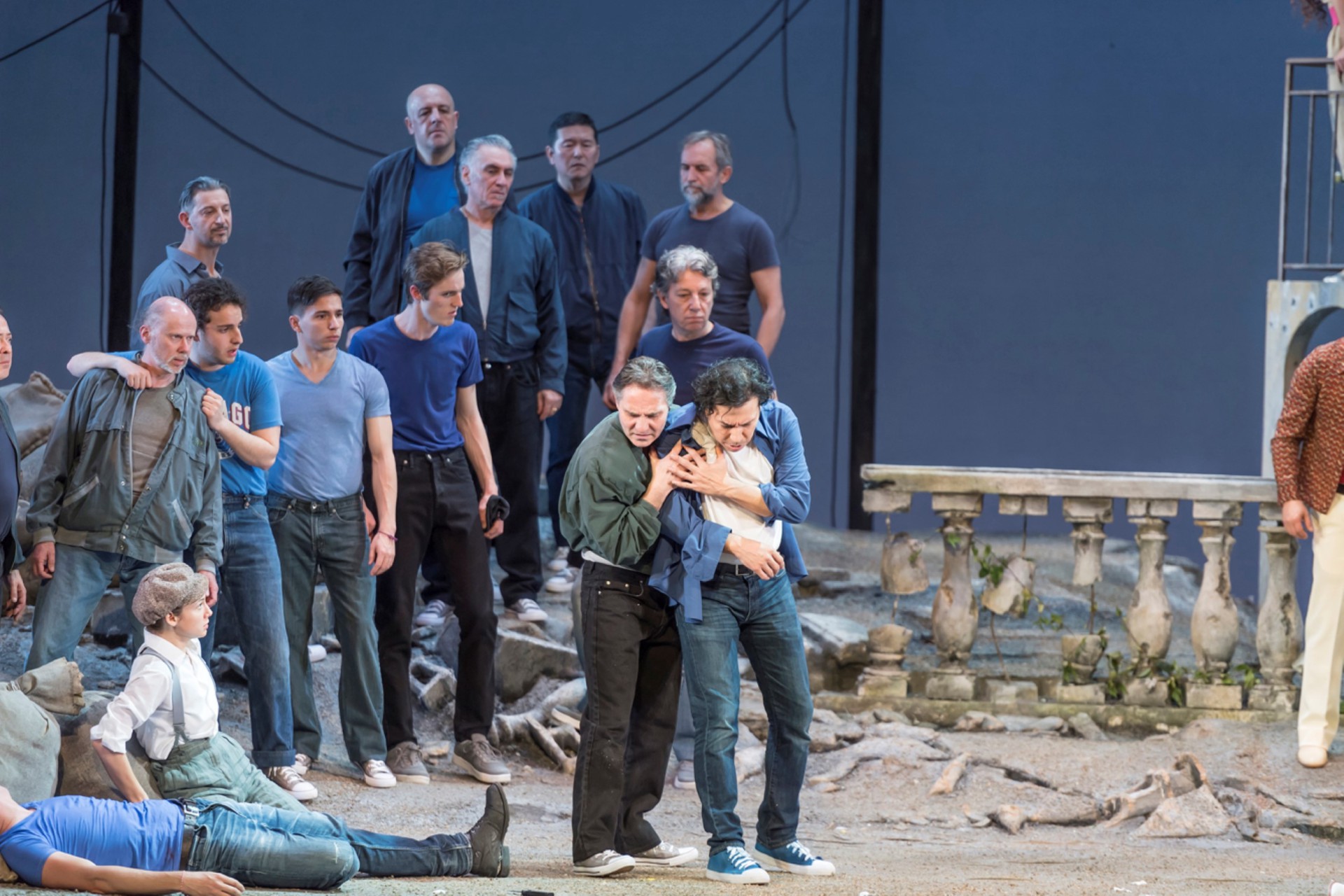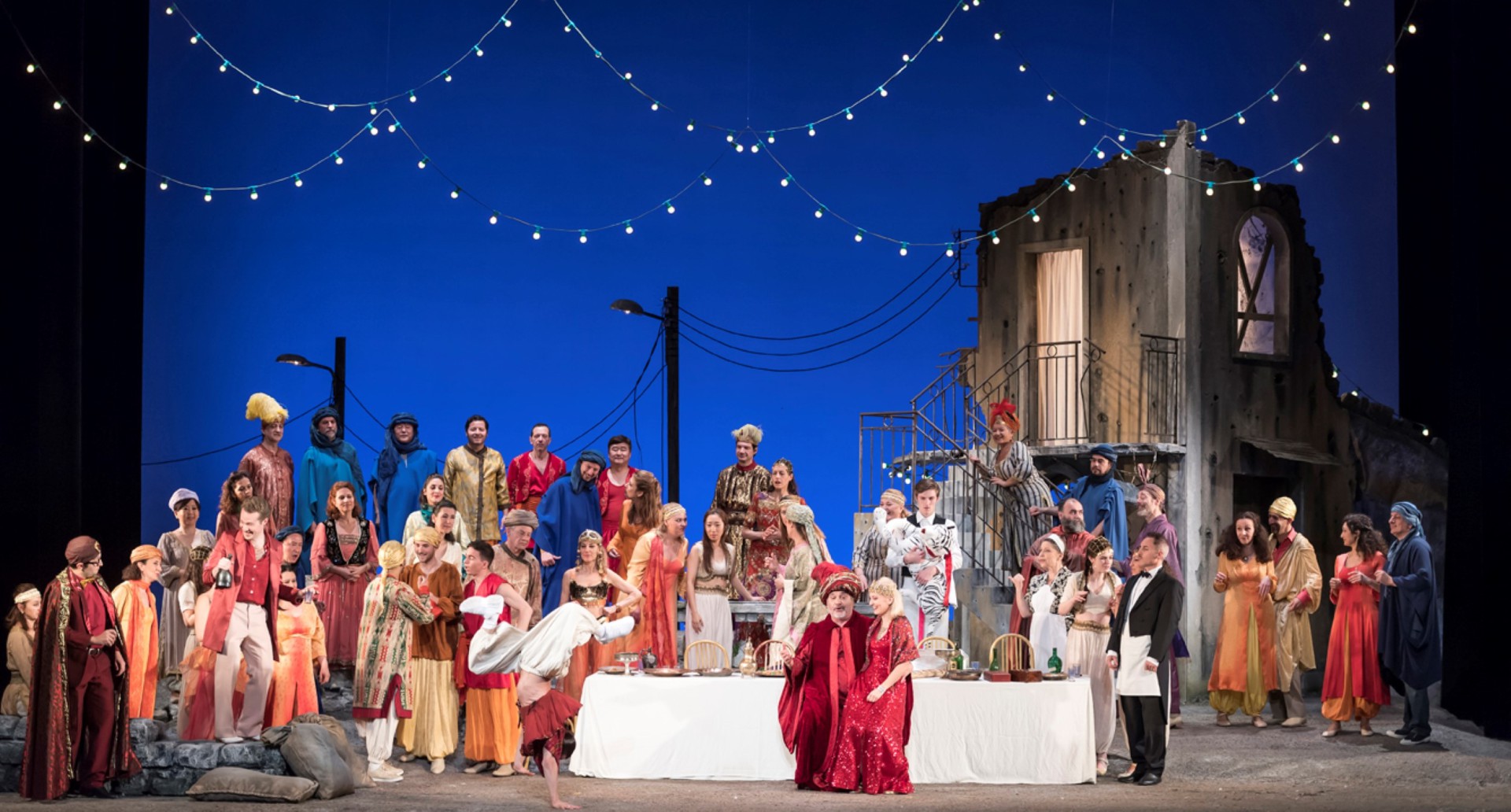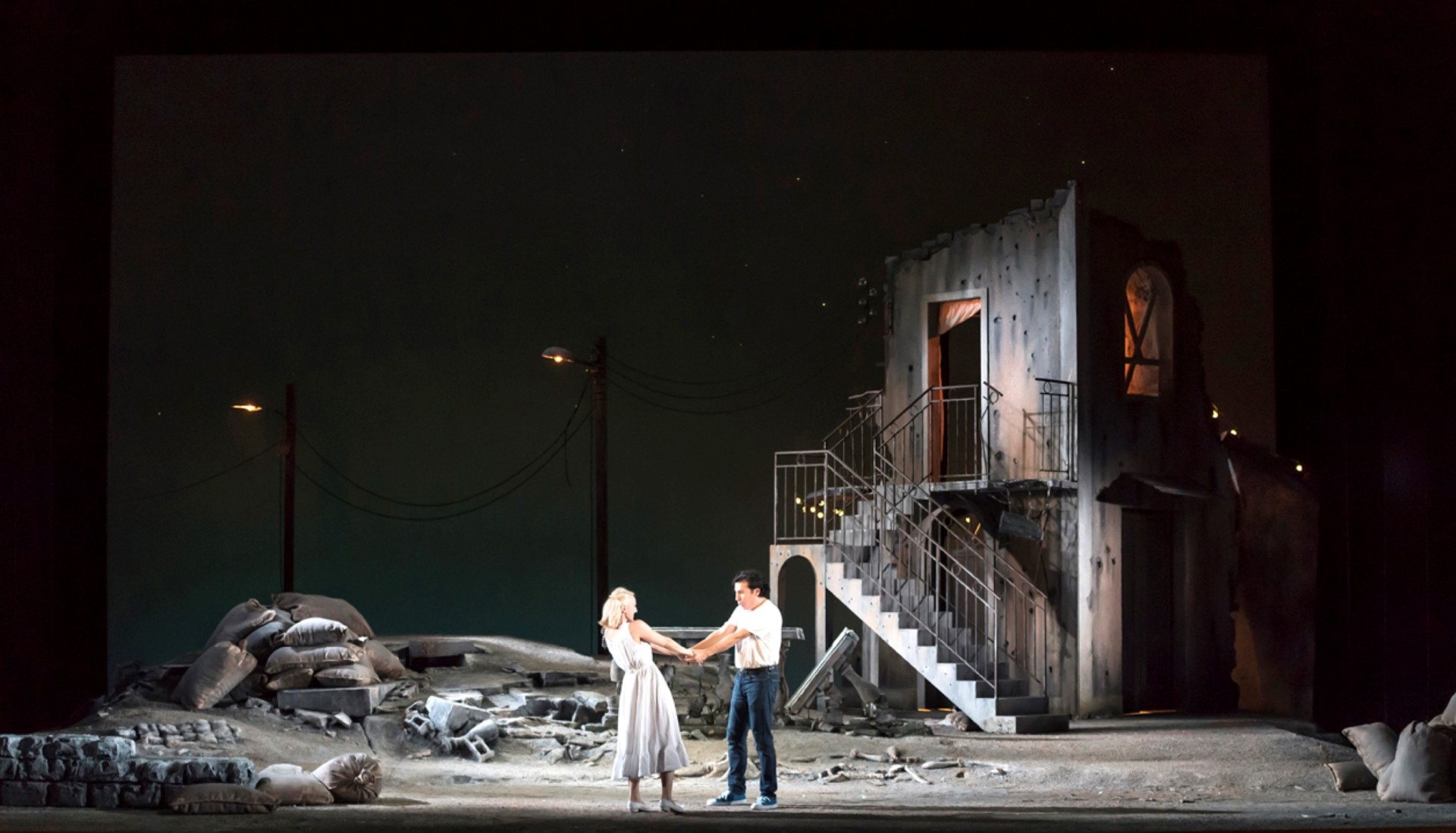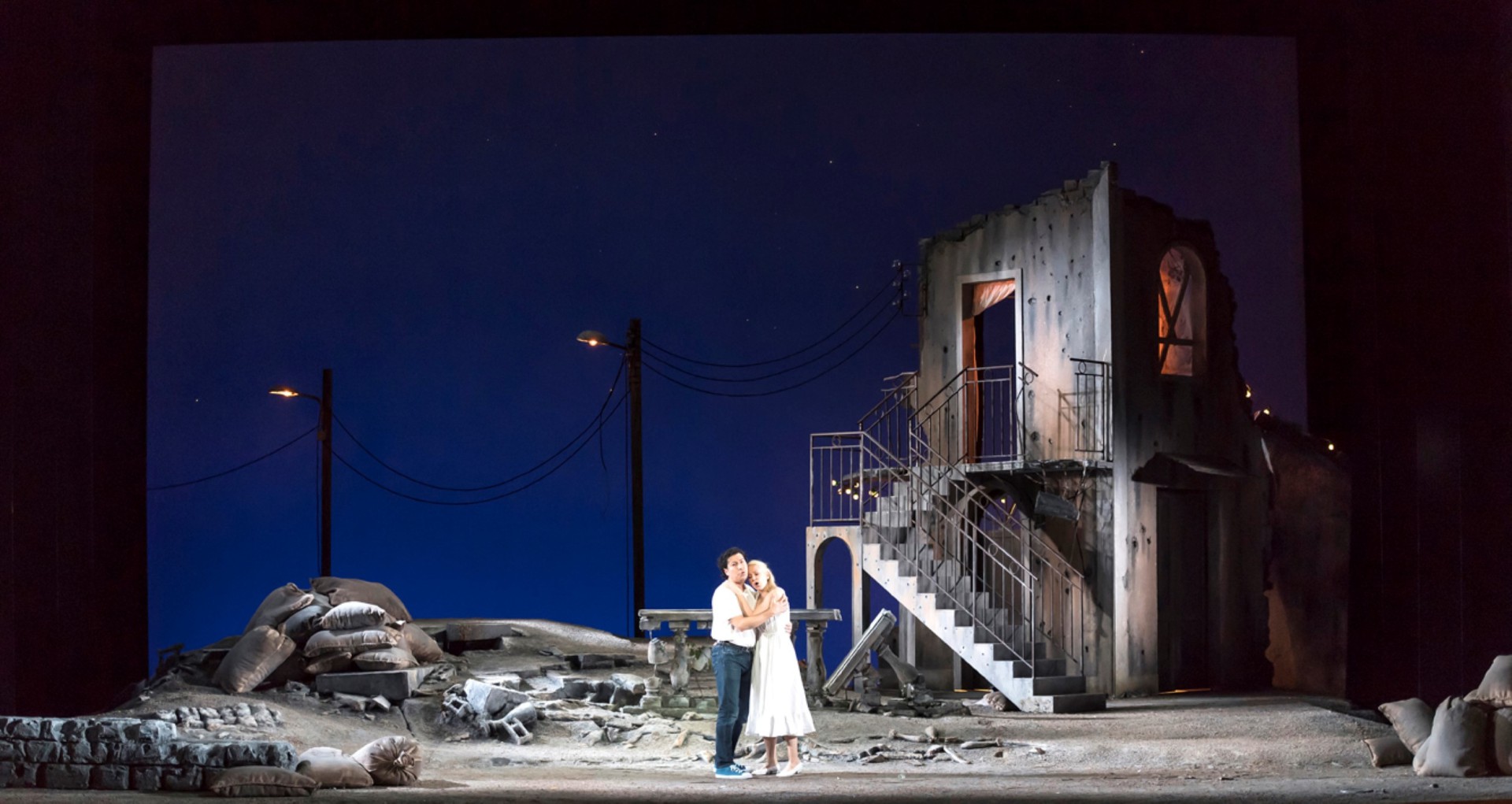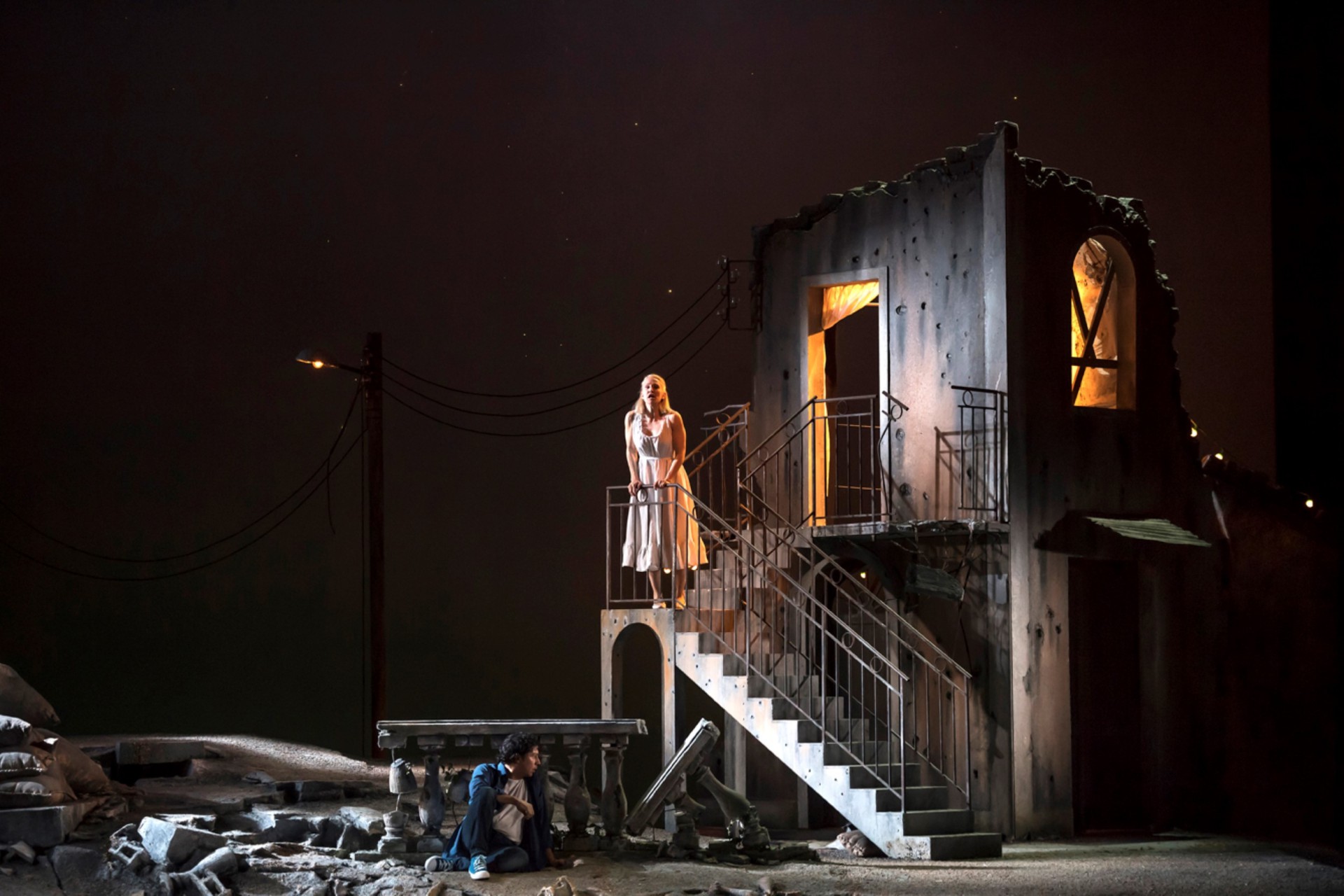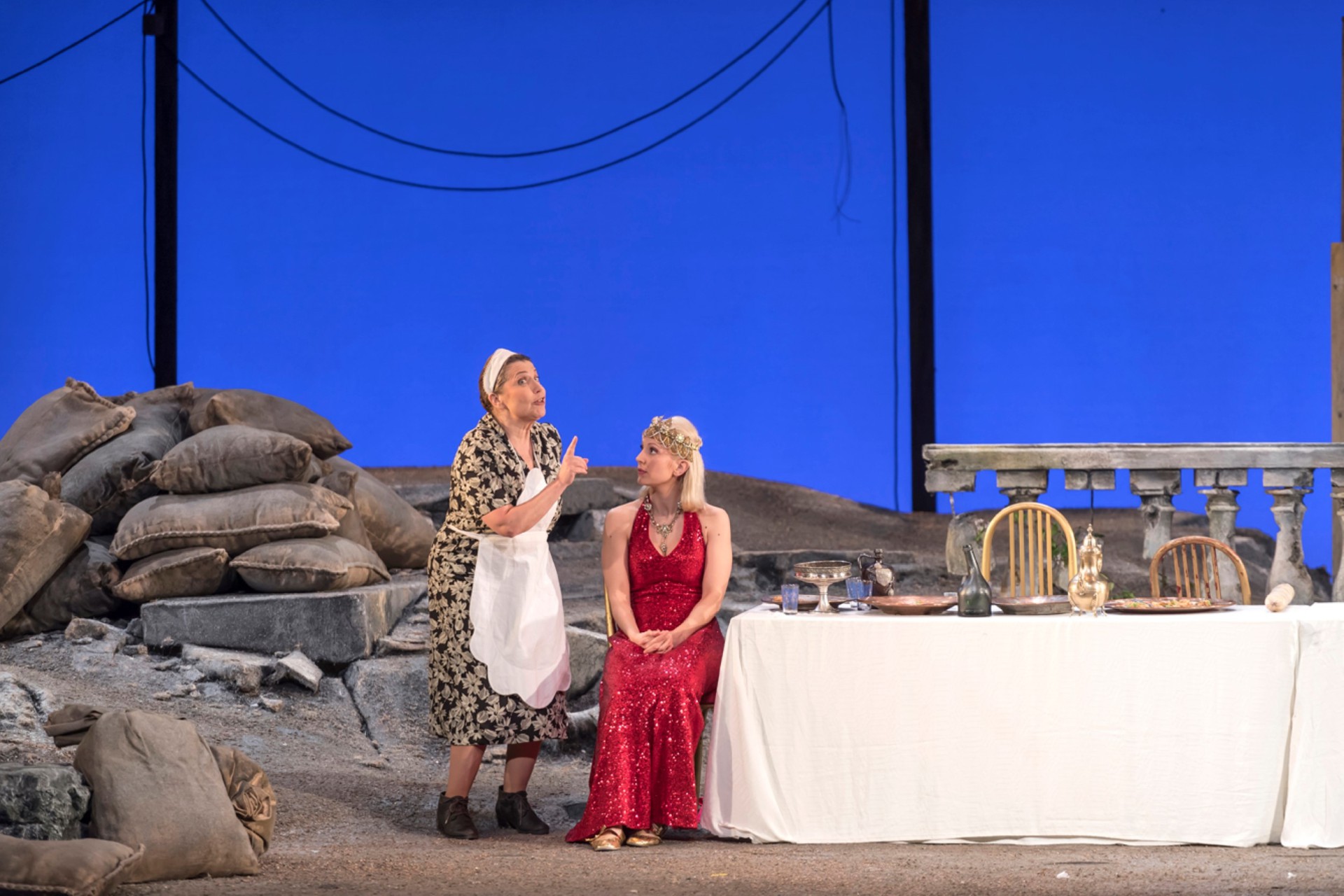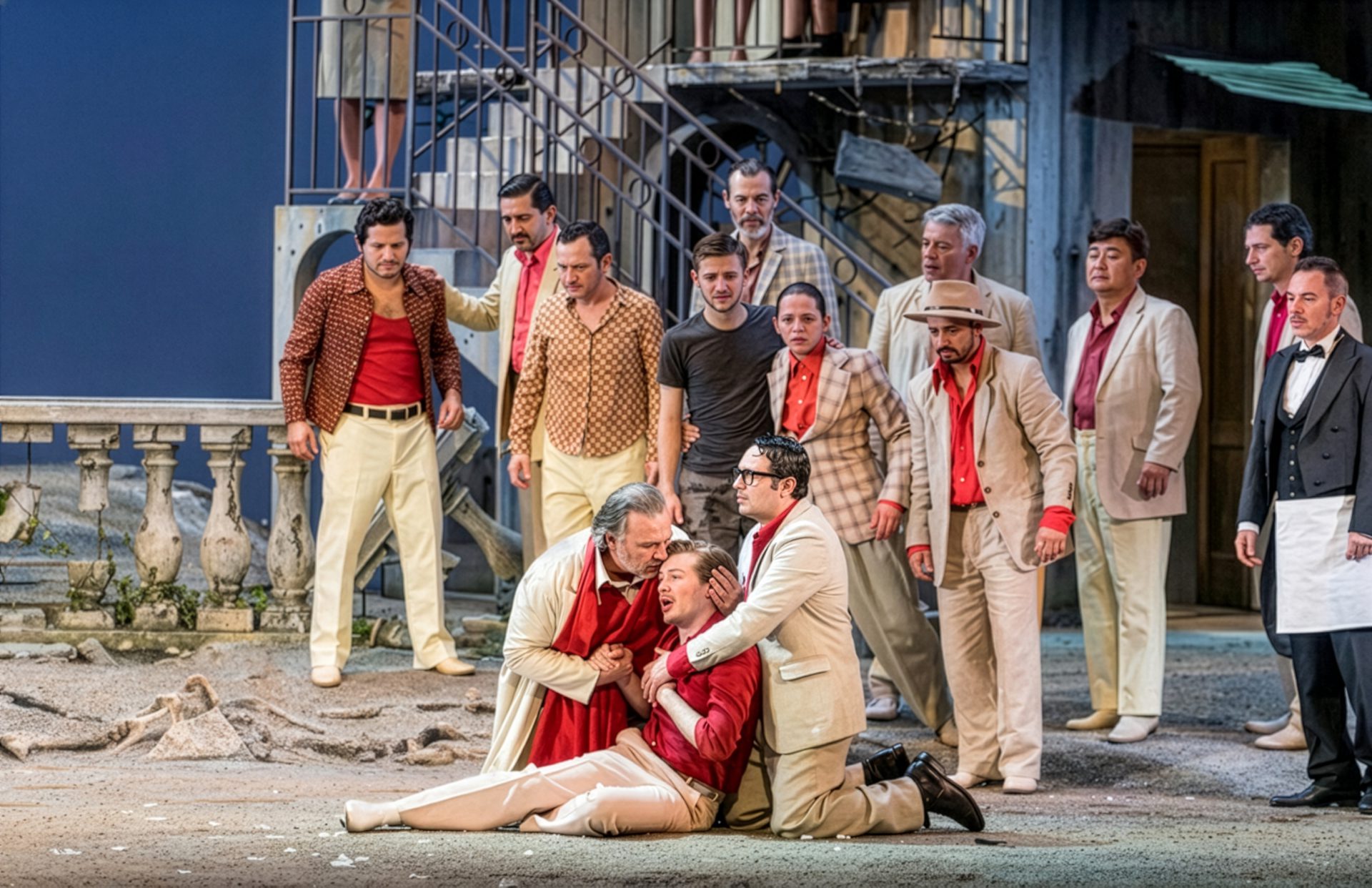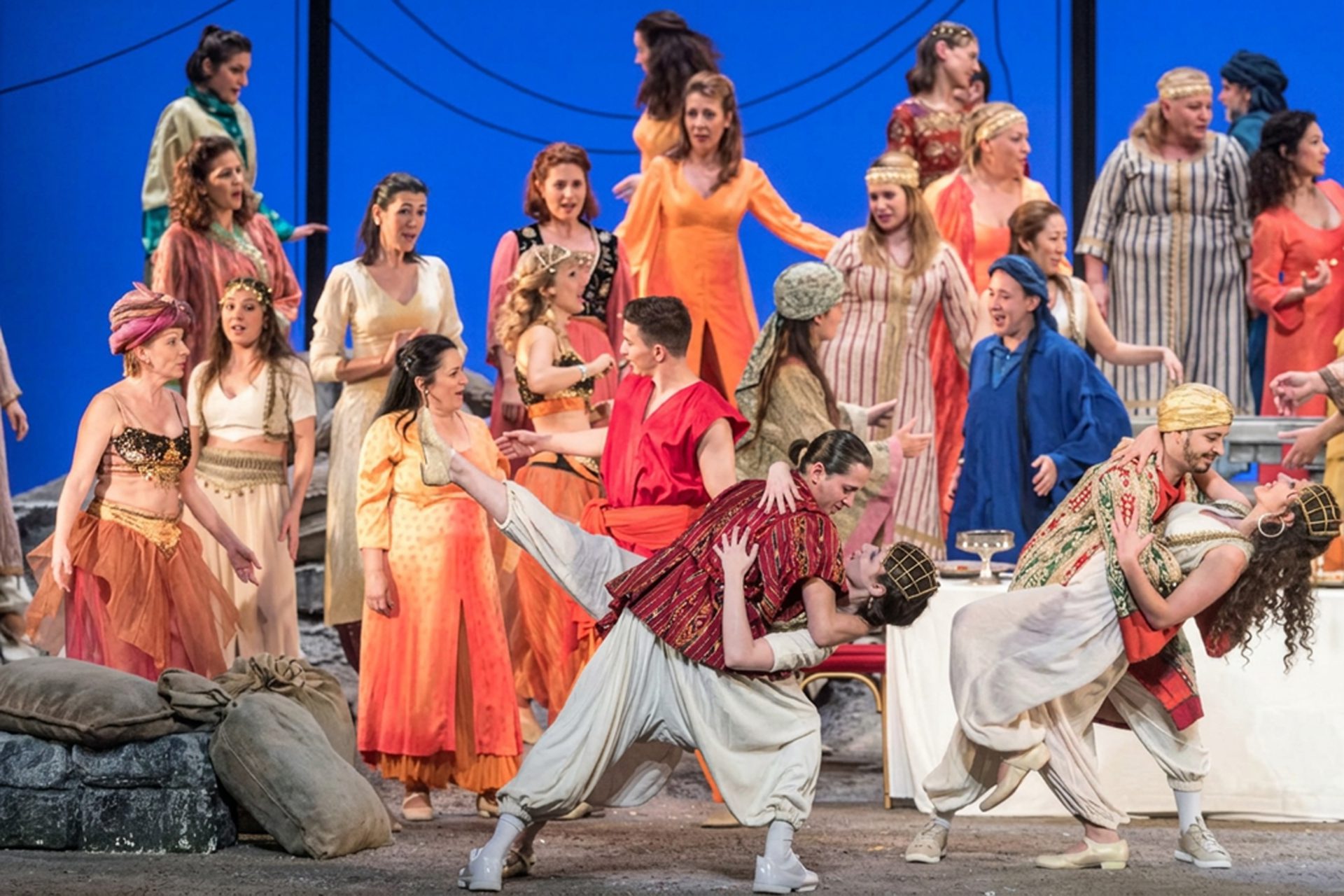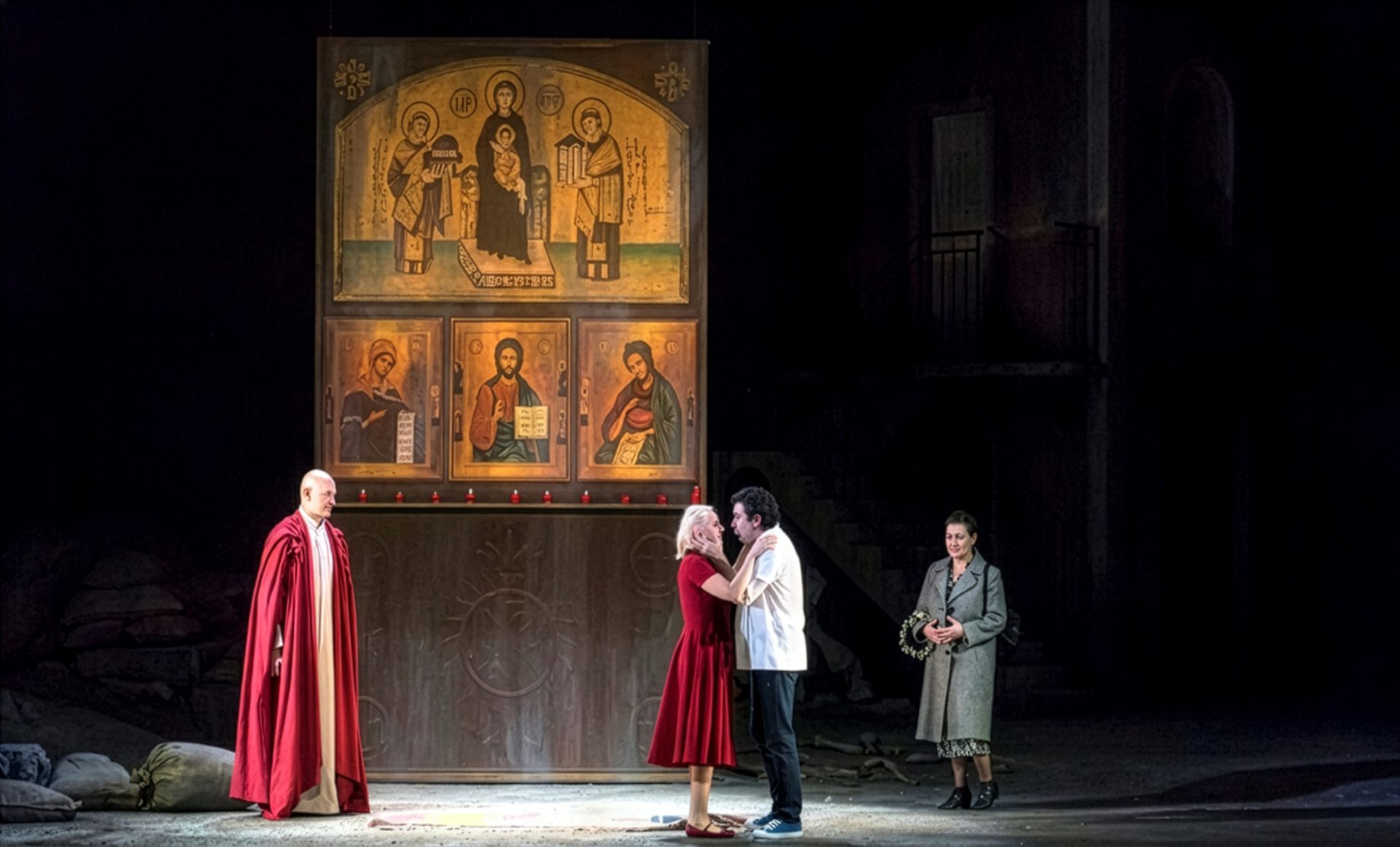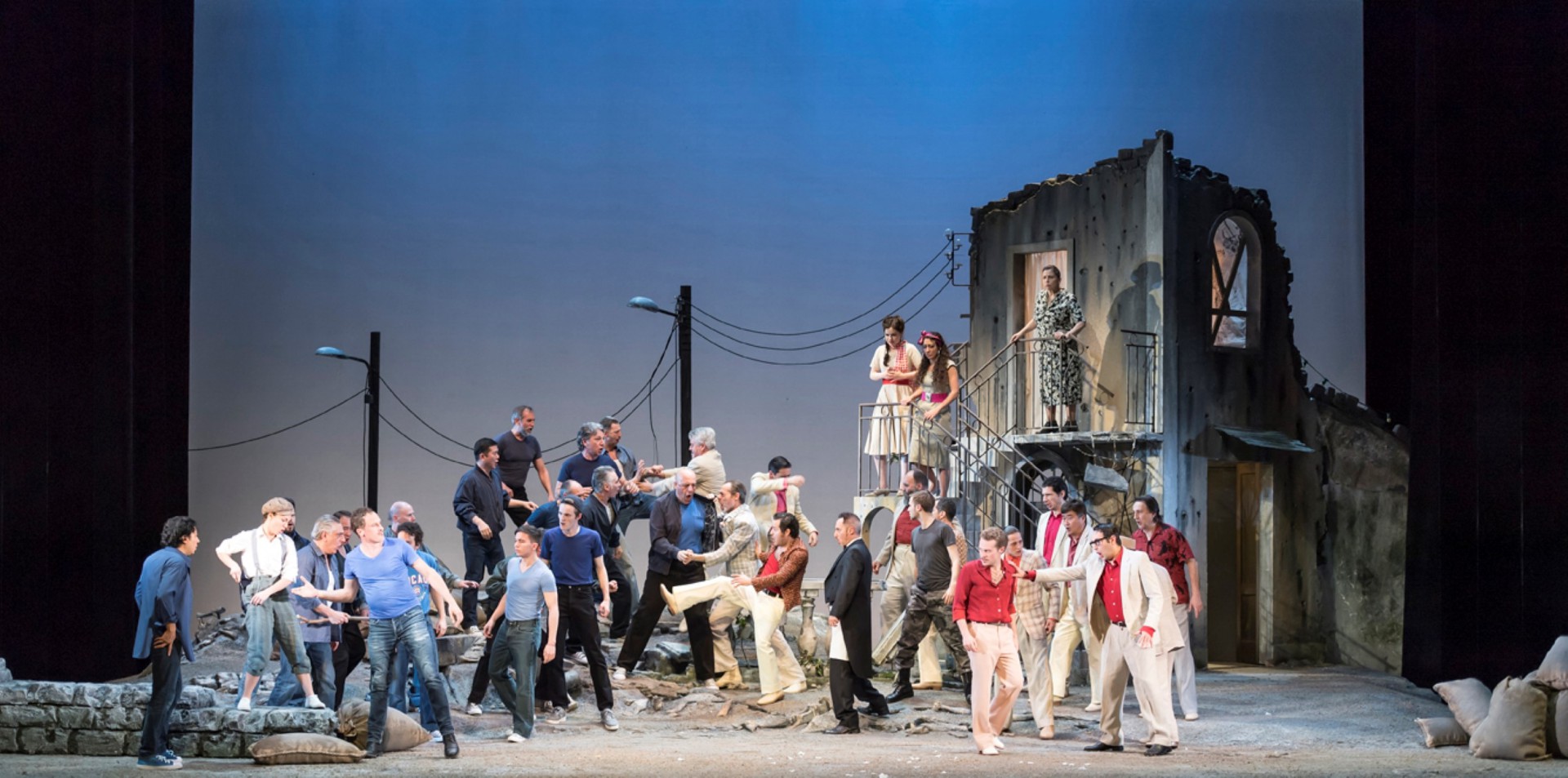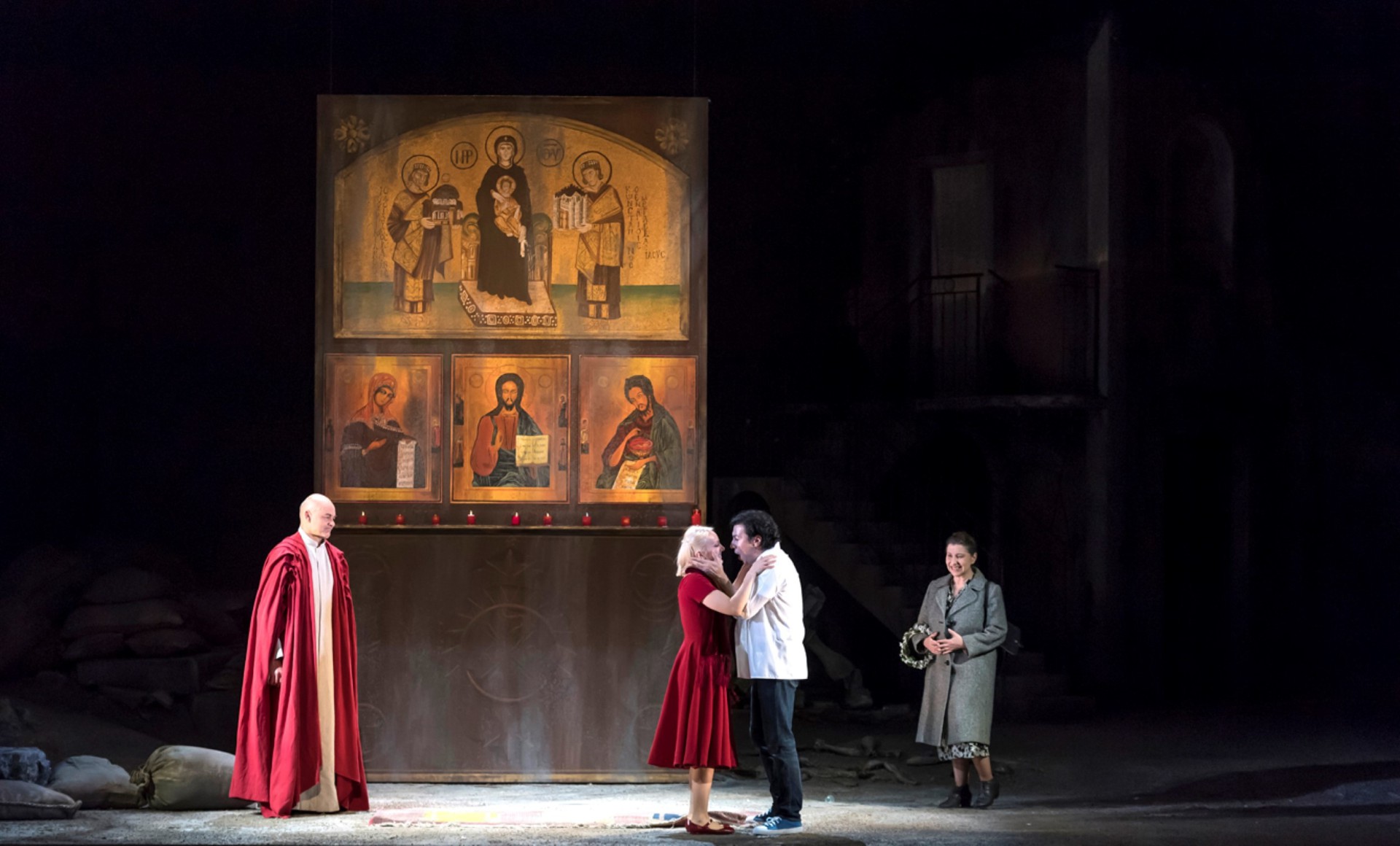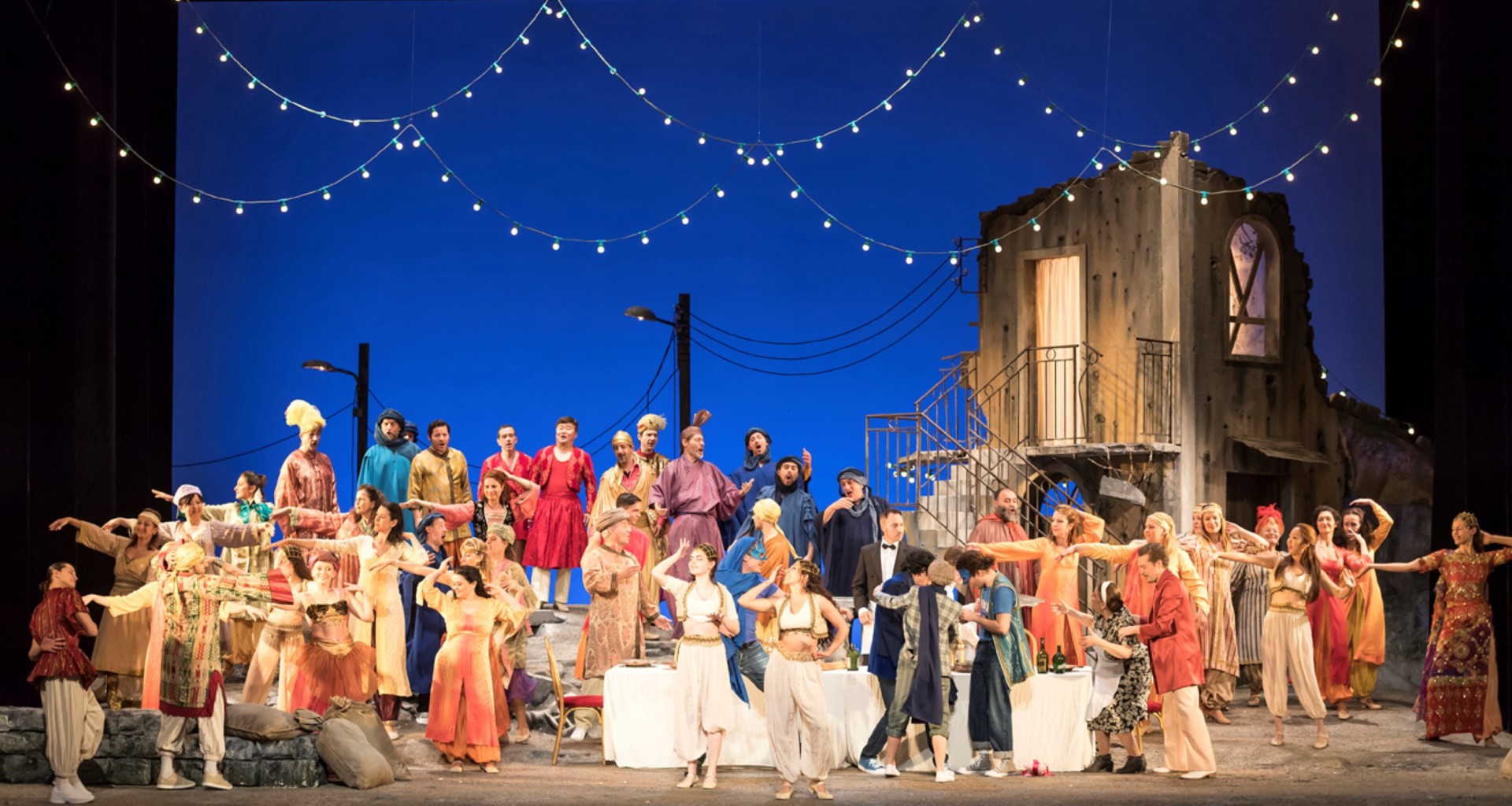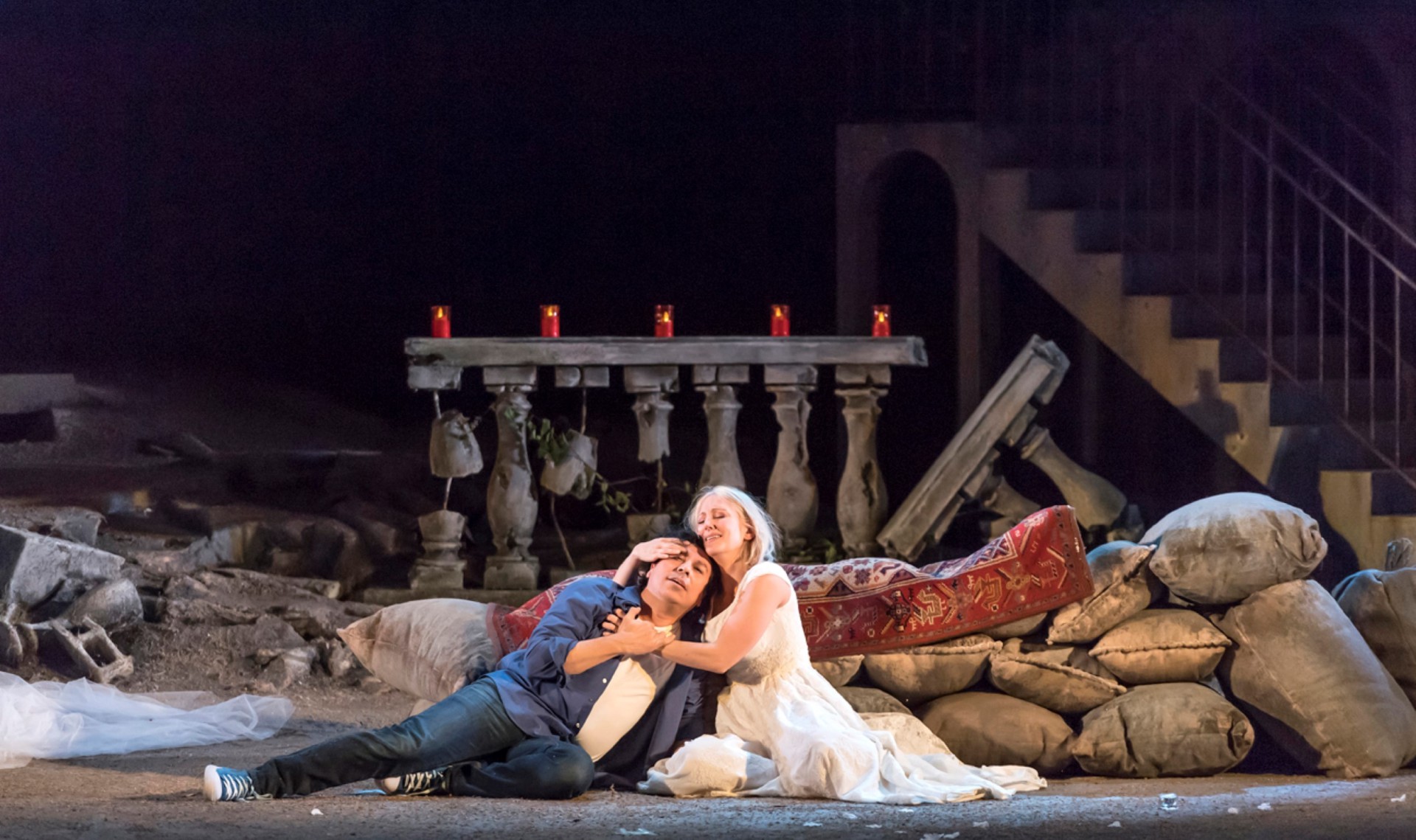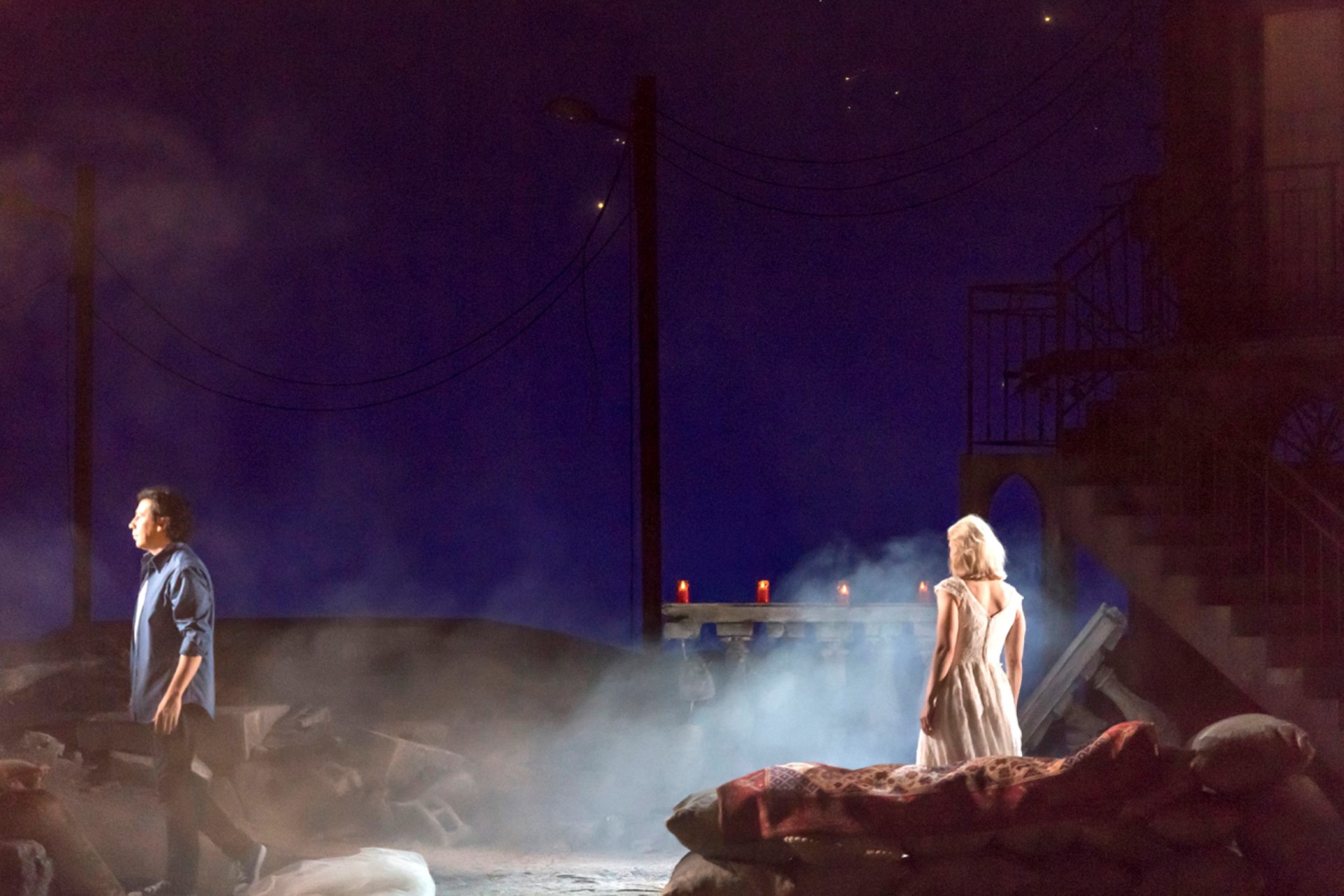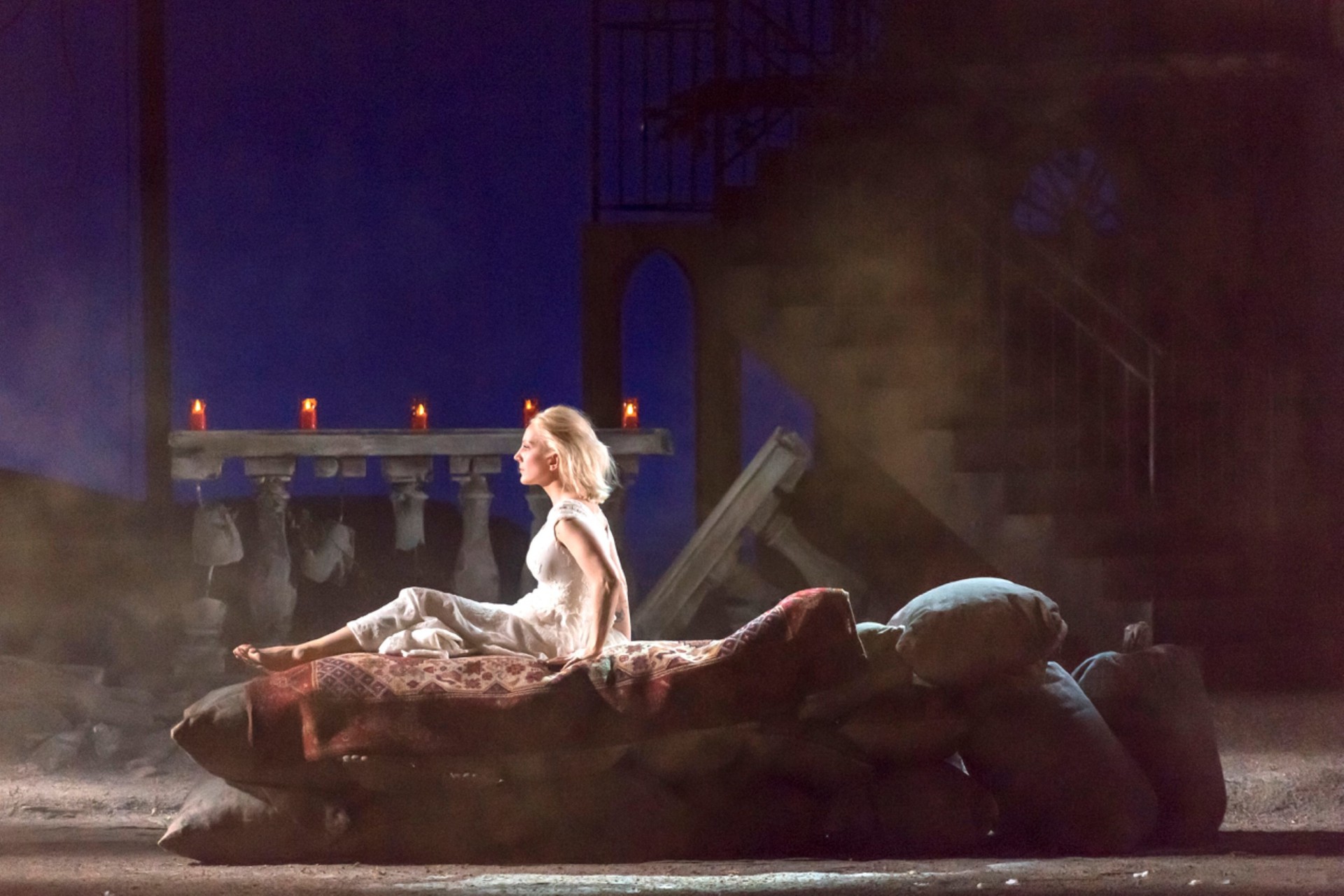
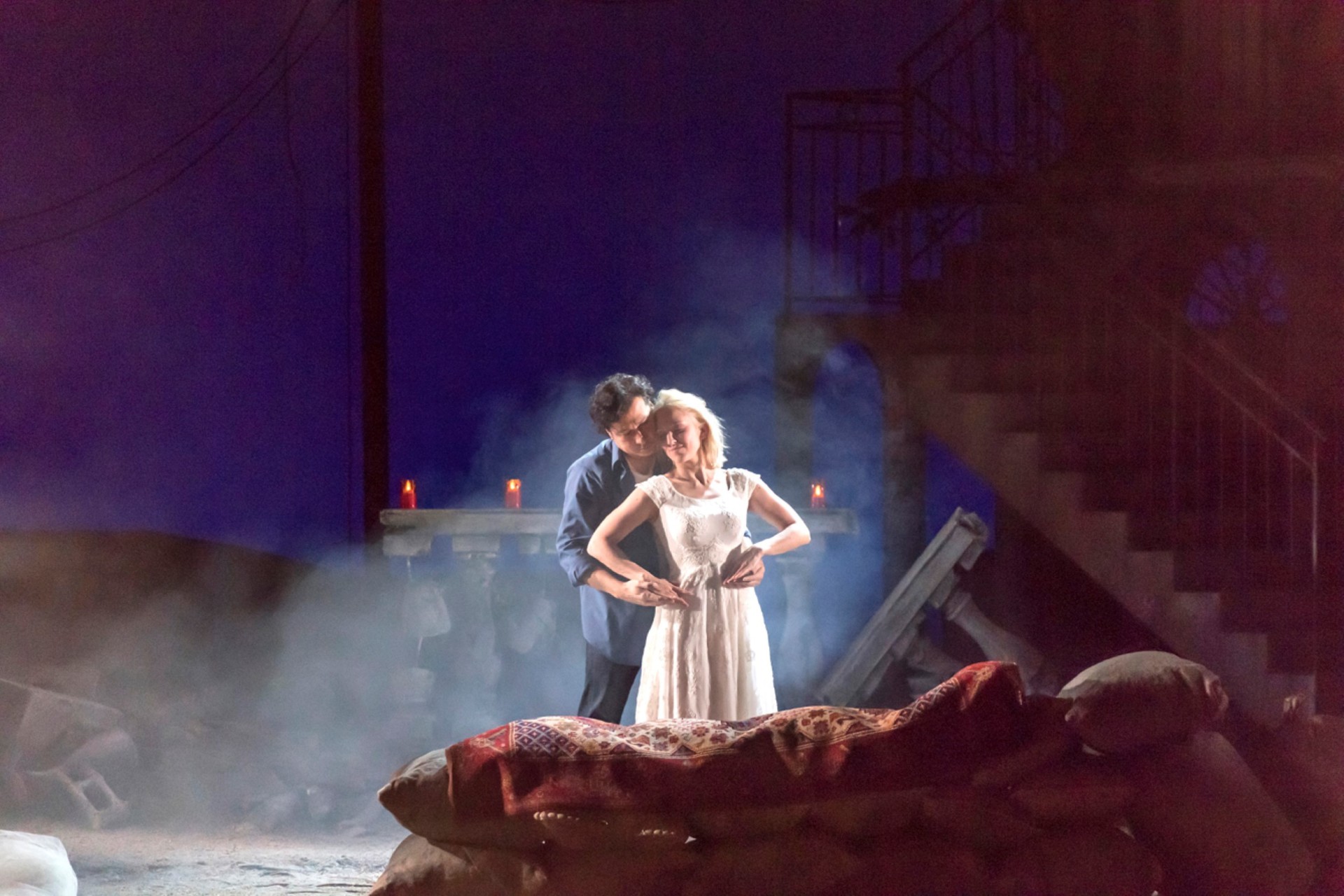
When I was invited to direct Gounod’s Roméo et Juliette at the Opéra de Nice, I knew immediately that I wanted to strip away everything decorative and find the bone. Opera can be magnificent, but it can also hide behind its own grandeur — the costumes, the sets, the spectacle. I wanted none of that. I wanted war.
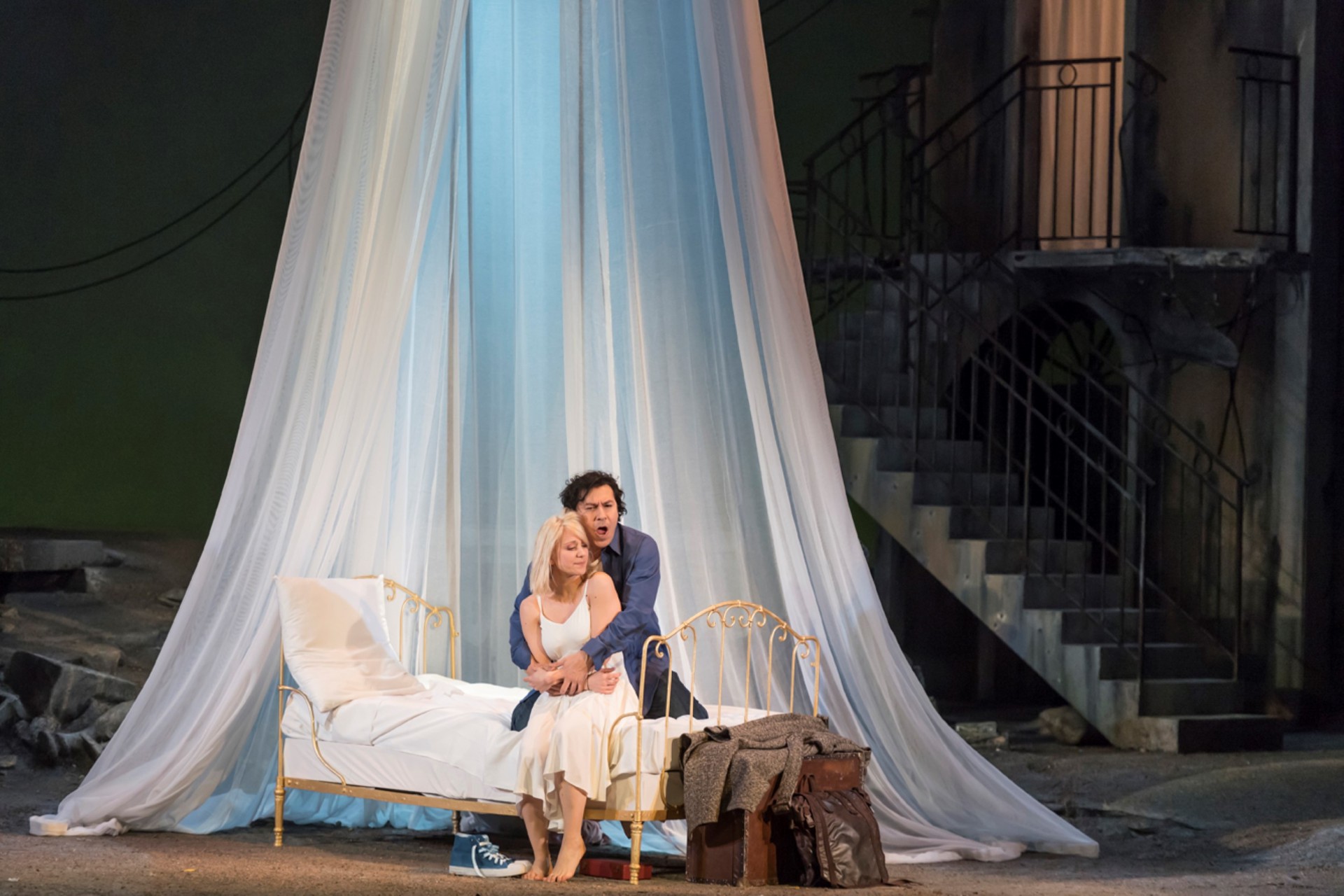
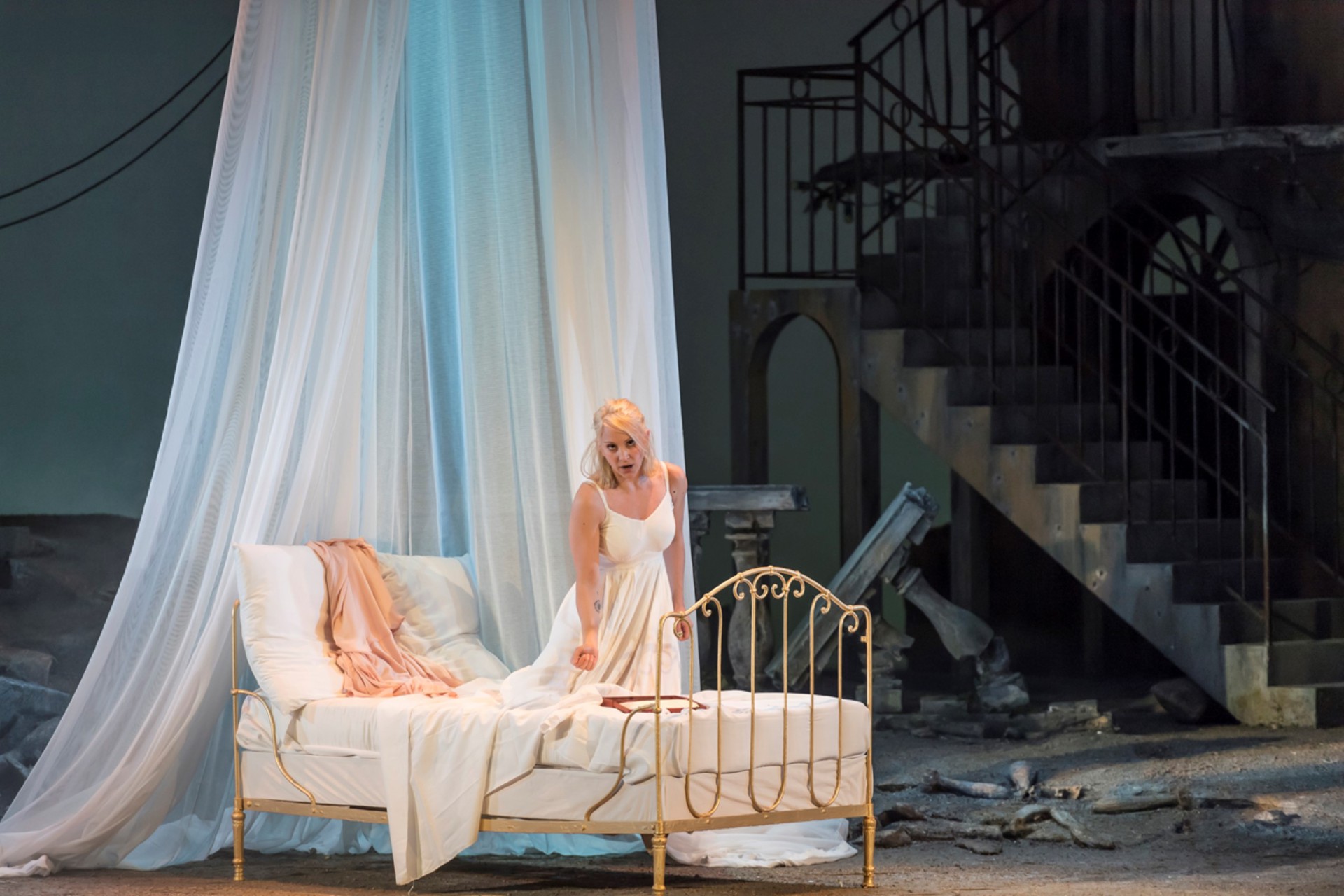
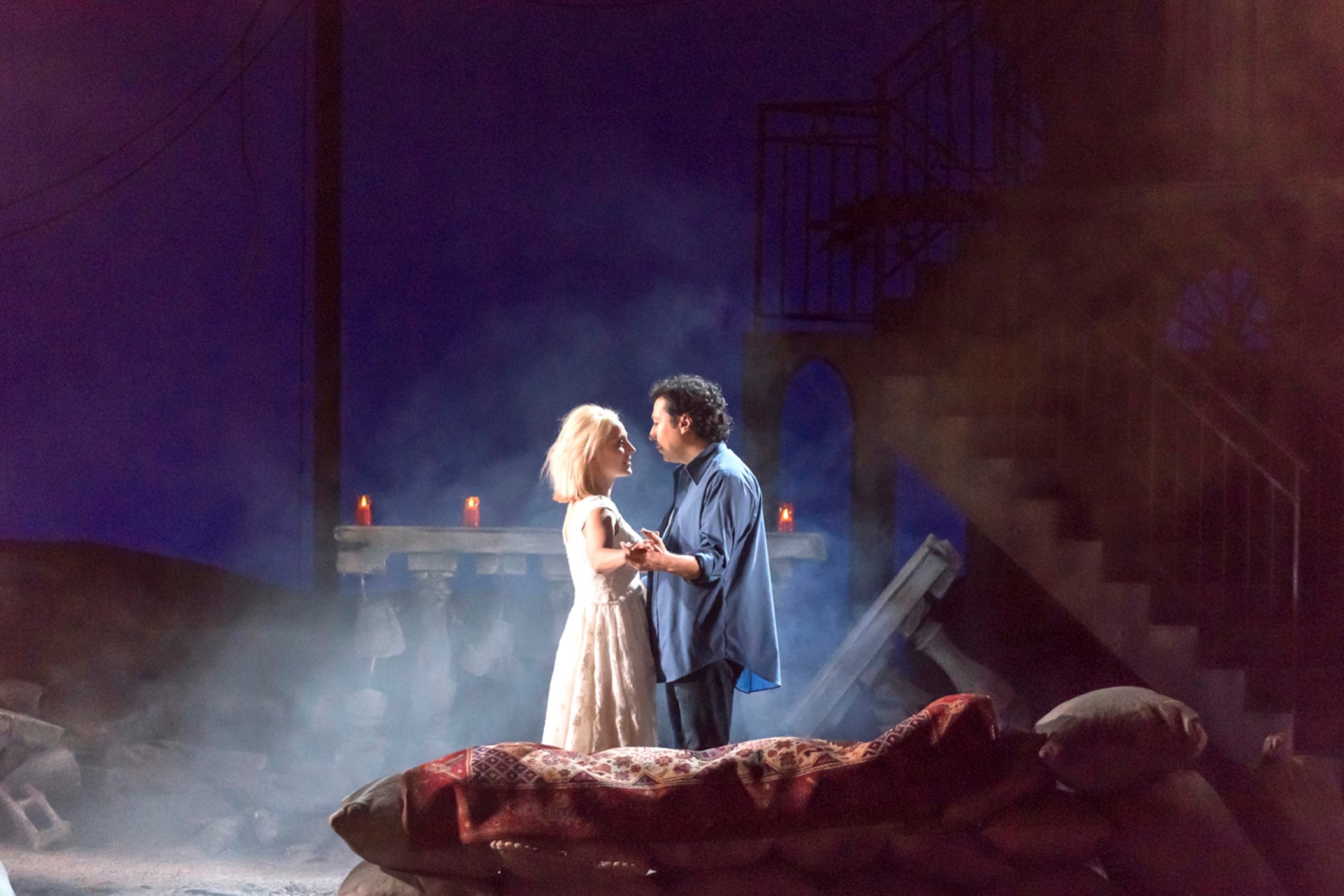
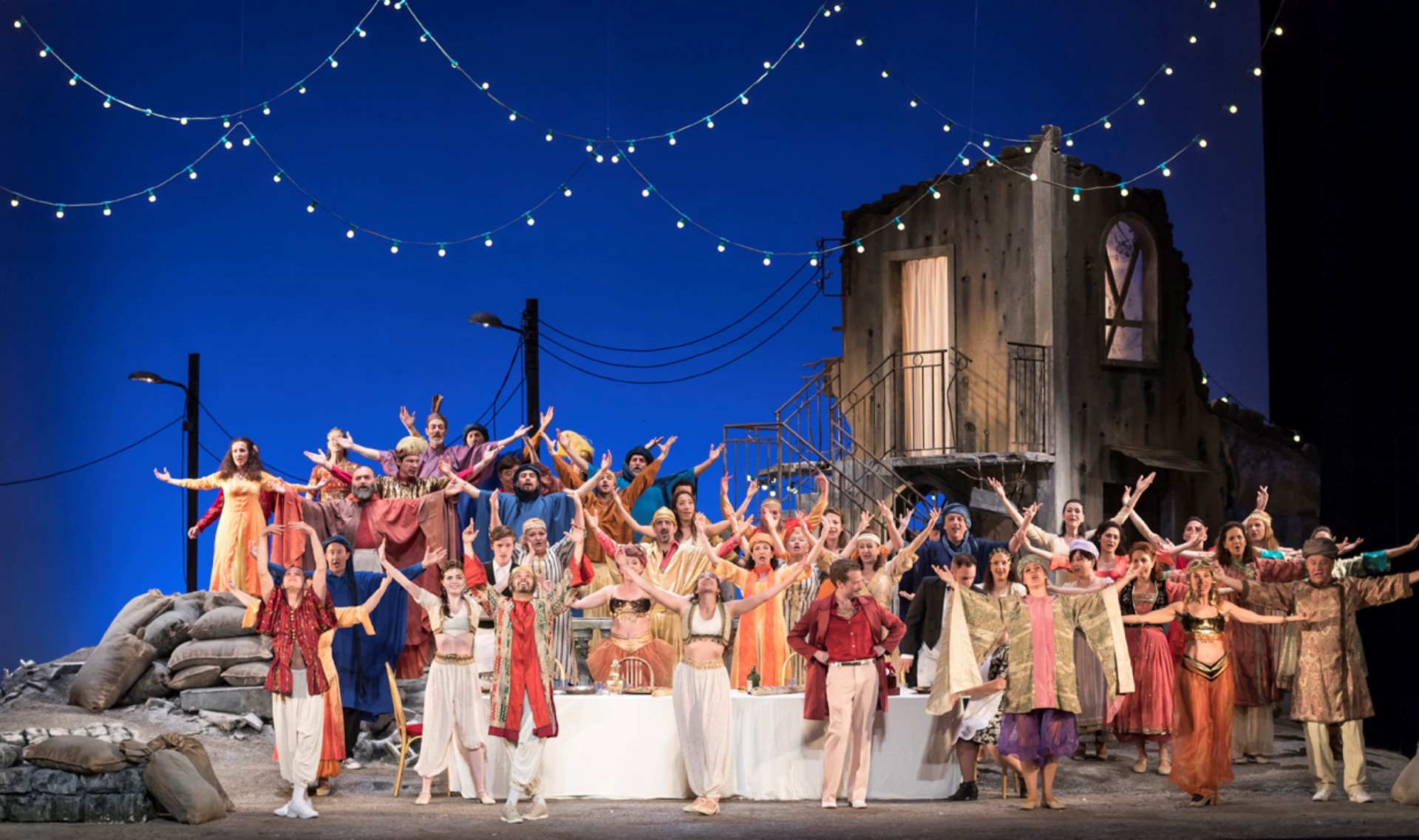
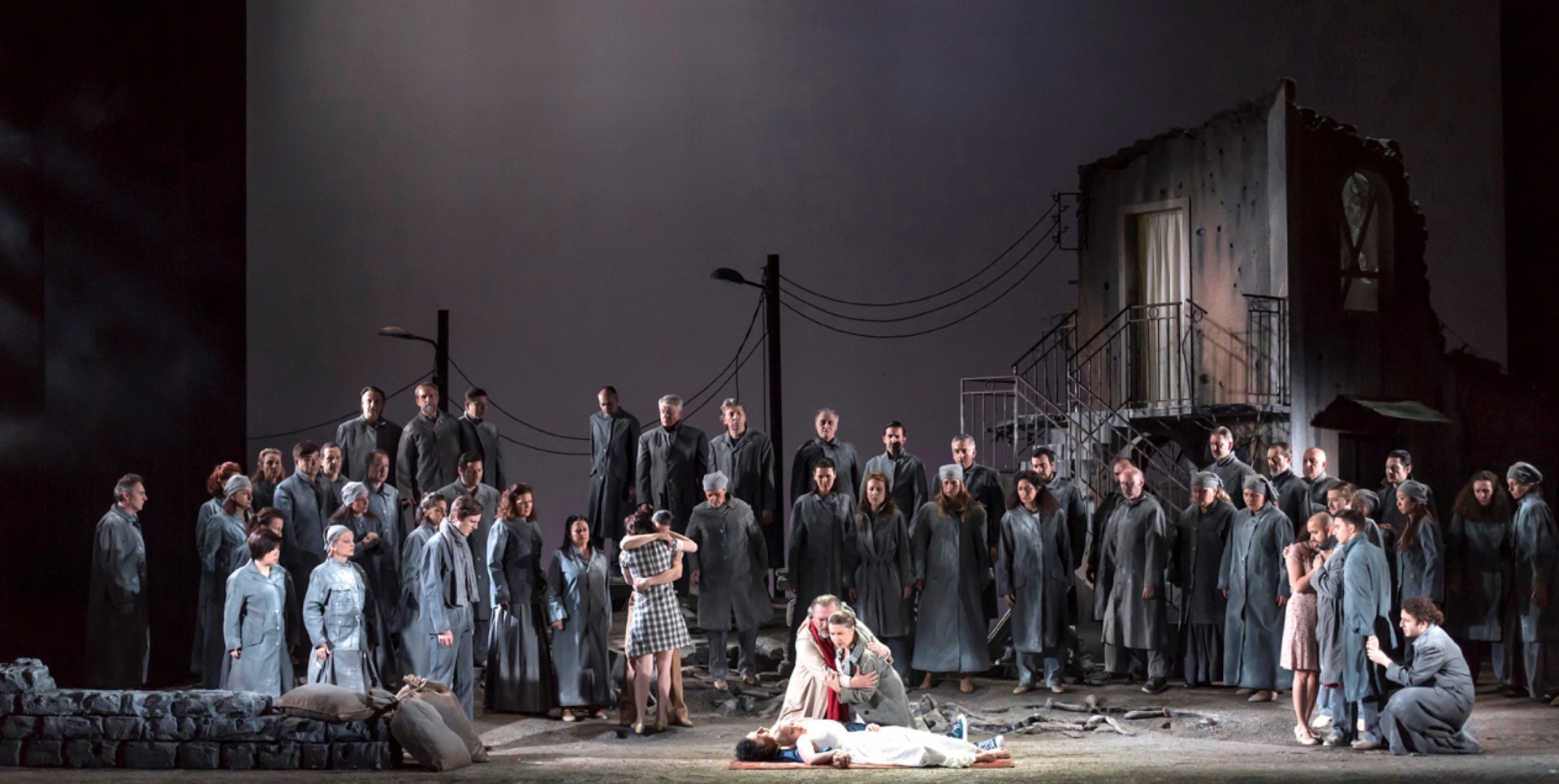
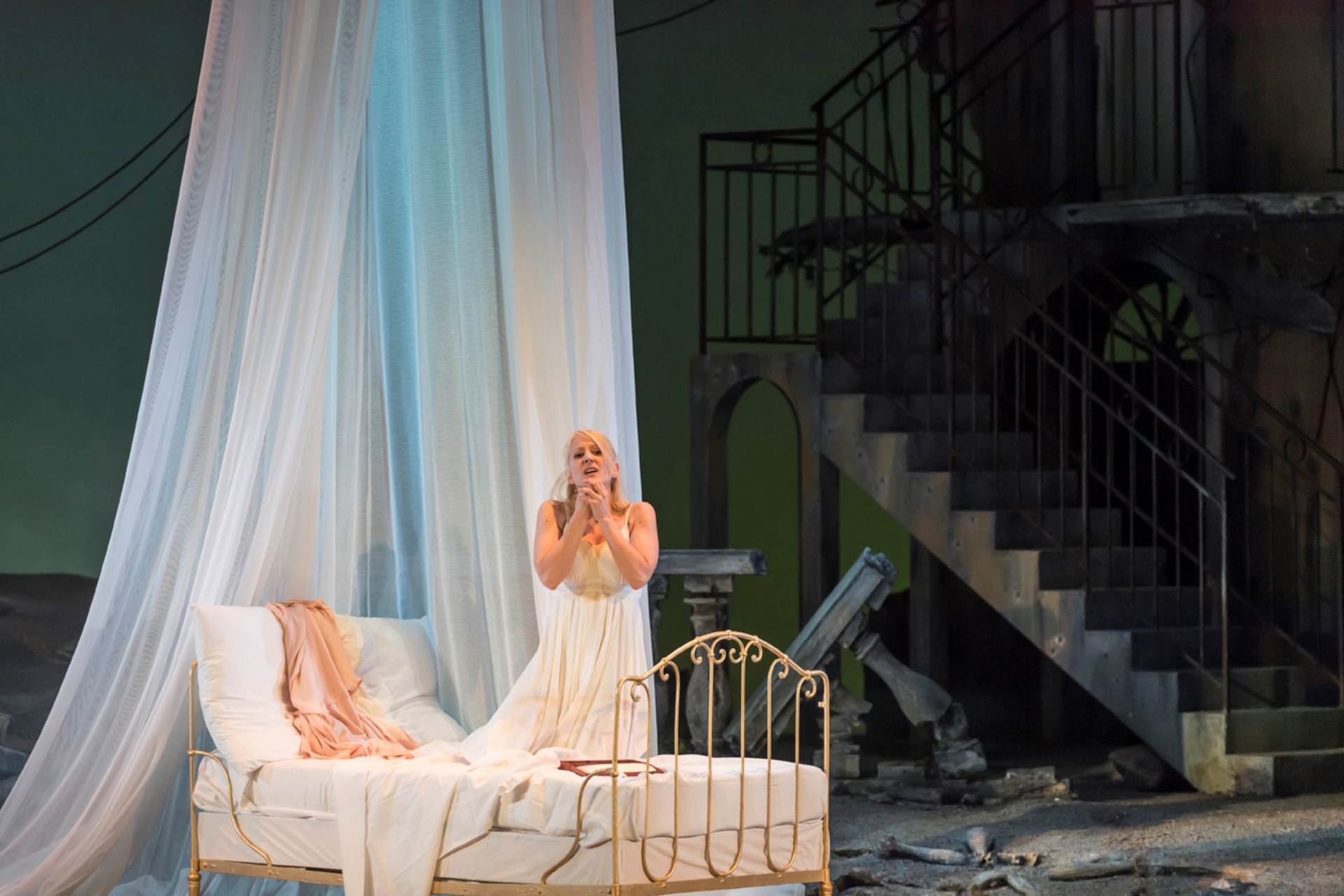
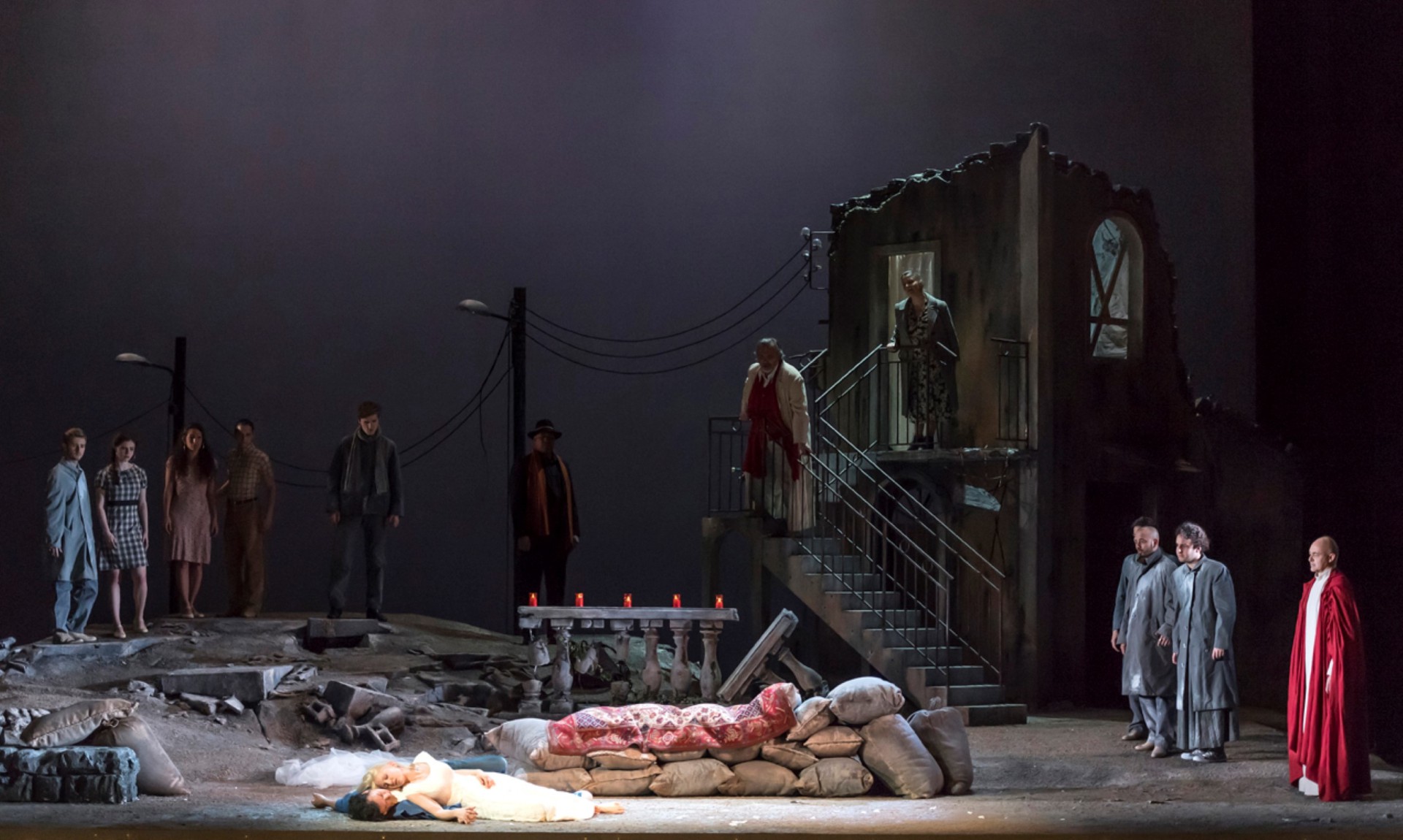
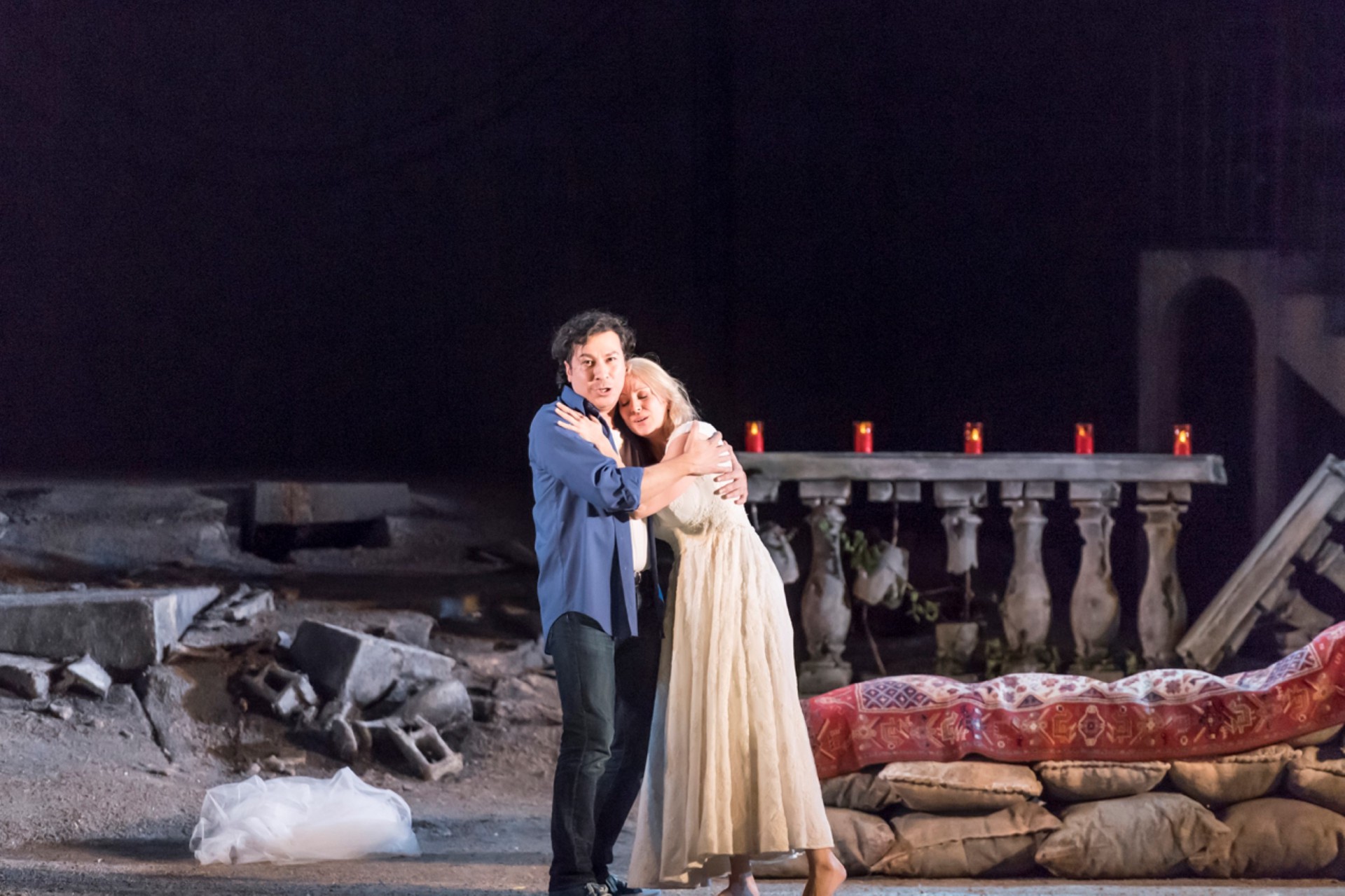
We built a world of rubble and sandbags, a place that felt bombed-out, exhausted, somewhere between the 1940s and now. Juliette’s balcony was not a pretty terrace draped in flowers — it was a smoking ruin. Because that is the truth of this story. There is nothing romantic about the world these two young people are born into. It is ugly, violent, and broken, and they are trapped inside it.
What interests me about Romeo and Juliet has never been the love story — for me, that is almost secondary. What fascinates me is the war. The senseless, age-old war between two families in the same city, the same streets. Human nature has not changed one iota since the ancient Greeks. We are creatures of both love and hate, and we keep finding reasons to exist against someone — regardless of skin colour, religion, or anything rational. The Montagues and Capulets are not history. They are today’s news.
Working with Noëlle Ginefri, we removed every piece of decorative clutter and let the drama breathe through shadows, through the physical space, through the bodies on stage. Vannina Santoni brought something remarkable to Juliette — she refused the stiffness that opera sometimes demands and gave us a real, impulsive, breathing young woman. Her chemistry with Jésus León was not performed. It was lived. I treated them not as operatic archetypes but as two teenagers caught in a military stalemate, reaching for each other across the wreckage.
In Gounod’s version, unlike Shakespeare, there is no reconciliation between the families. It ends very badly. So I placed young extras at the close of the production, creating a loop back to the beginning — forcing us to confront the question: what have we learned? The answer, I am afraid, is nothing. And that is the real tragedy.