Giuseppe Verdi
Teatro Comunale di Bologna November/December 2005,
Opéra de Lille March 8-25, 2007
Director’s Notes:
La Traviata is a sort of Greek myth but it is also a contemporary story. It evokes the most important thing in the world: the war against the narrow-mindedness of that part of humanity which does not understand, does not respect, but judges with its own parameters the inner truth of the individual.
Verdi—like Marivaux before him in L’Île des esclaves, and Brecht after him, in all his plays—describes, with the language of his era, the struggle of a person, good and pure in heart, against those people who consider only appearances, express preconceived judgments, refuse to open themselves to reality provided that they do not abandon their own ready-made opinions.
La Traviata is a great political manifesto for the defense of one’s own conviction against the aggression of those who, through narrow-mindedness or prejudice, do not know or do not want to understand.
Wars, violence, oppressions are the fruit of closed behaviors: a narrow-minded father who, thinking he is defending his own rights and those of his family, ruins the life of his son and of the woman his son loves, is the archetype of one who does not hesitate to destroy in the name of his point of view.
What touches me in La Traviata is what, in his time, must have struck Verdi: the drama of having to live alone, surrounded by obtuse people suffocating the spirit. I wish then to tell, on an emotional level, this moral and social message that Verdi told through a love story. And I tell it in today’s language, because since then, nothing has changed, and because the primary duty of the artist has remained the same: to open people’s eyes, minds, and hearts.
I remain faithful to Verdi in the idea of contemporaneity, the same contemporaneity as Violetta’s true story and Verdi’s human journey.
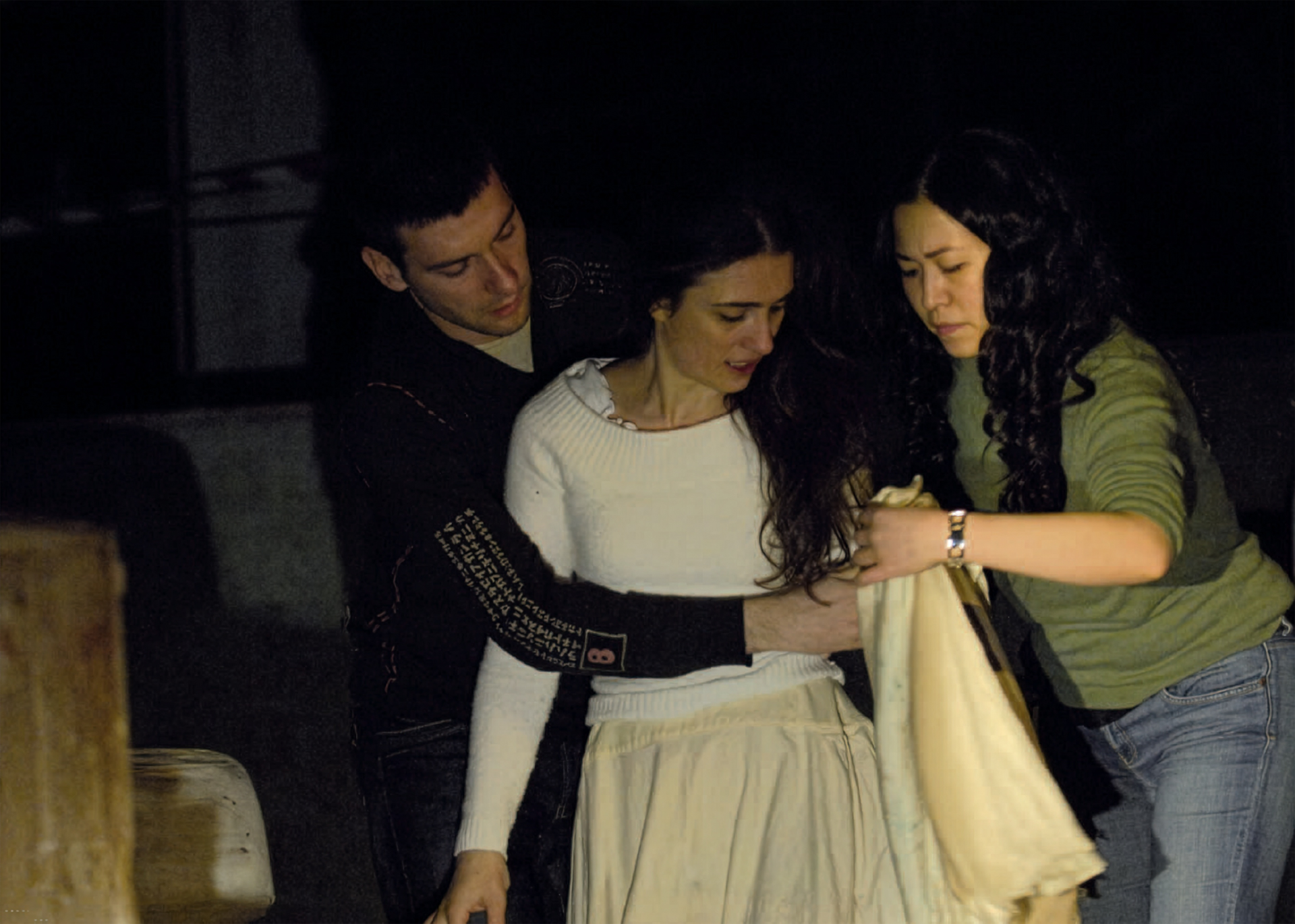
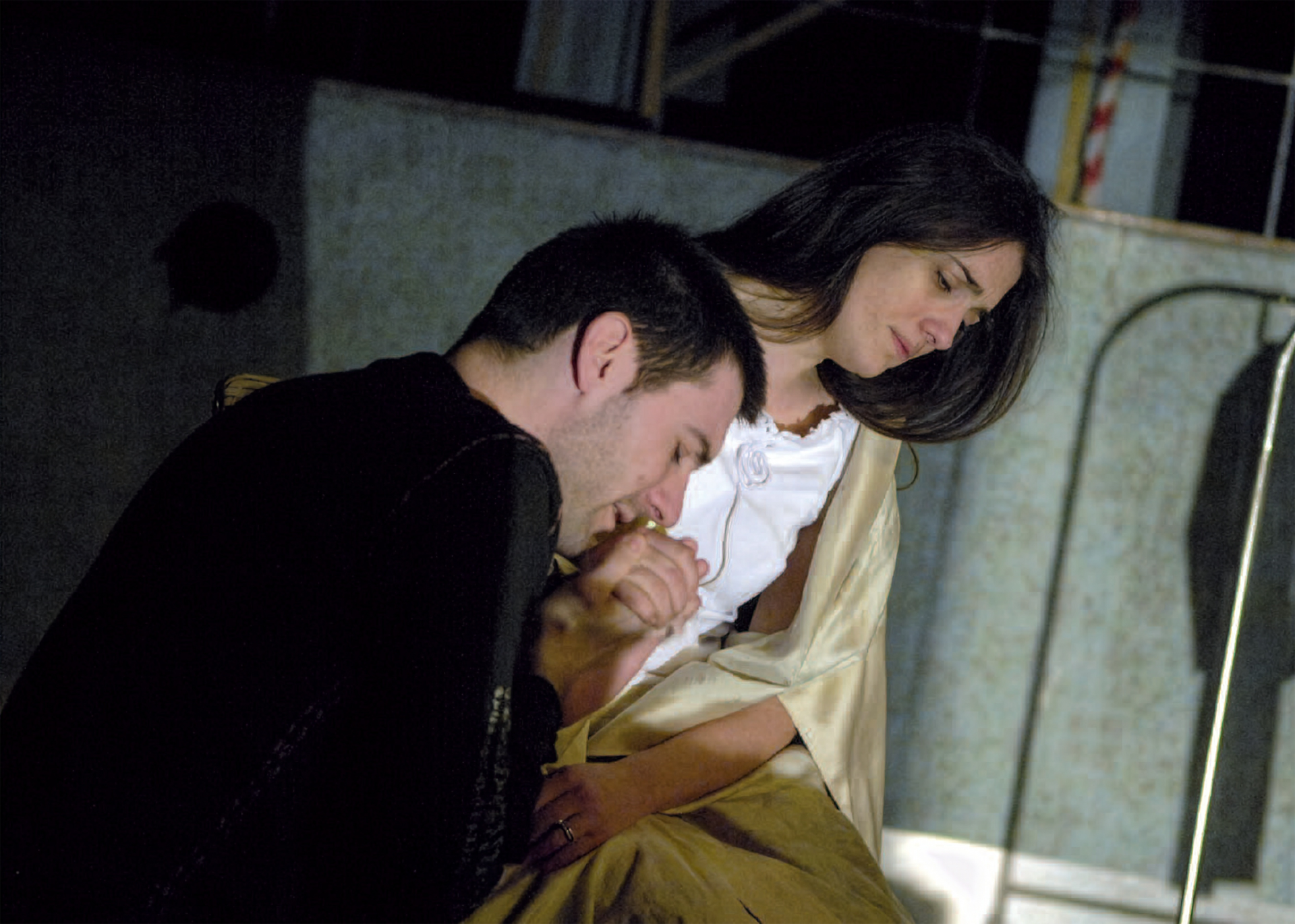
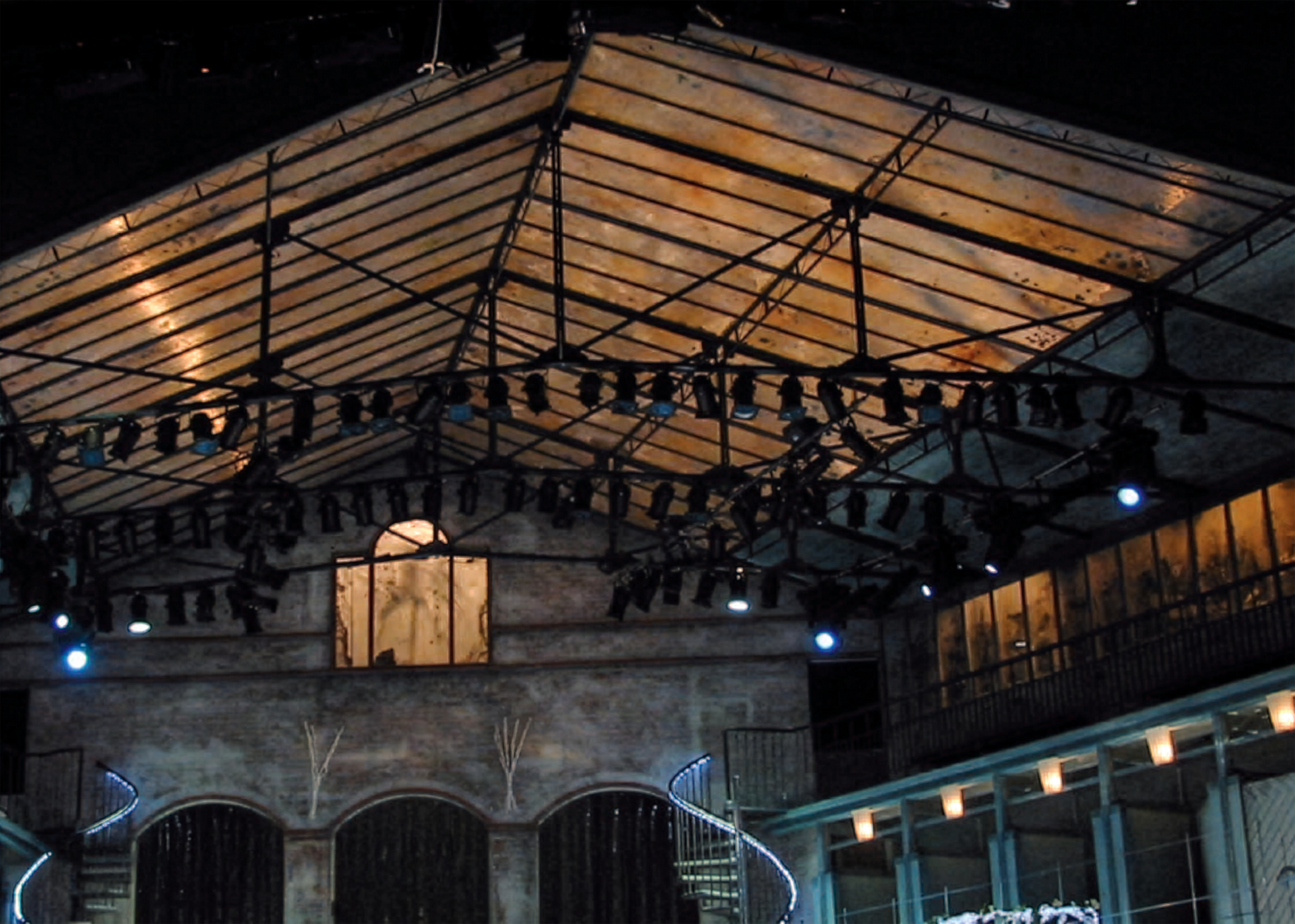
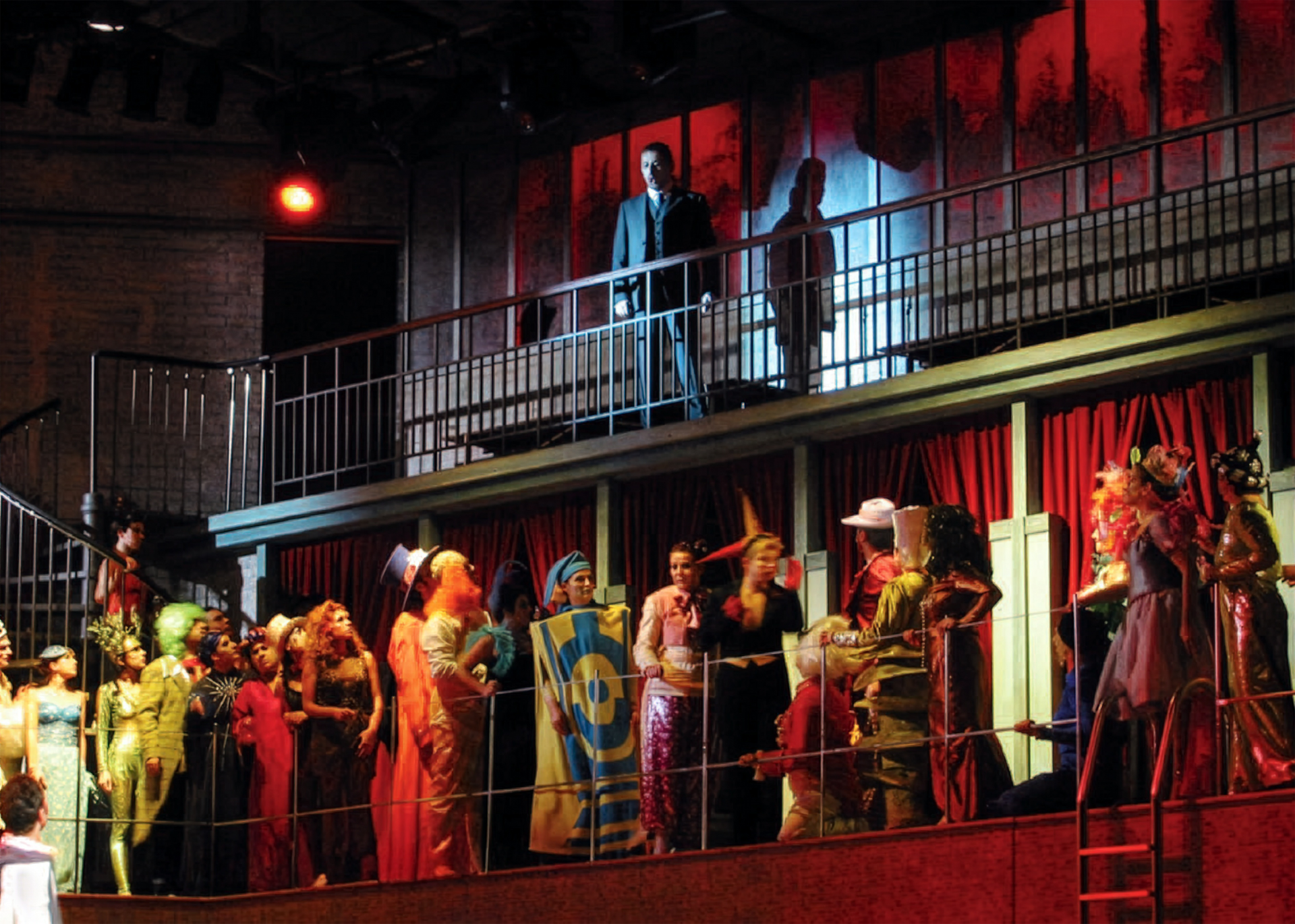
I searched for a place for this story where Violetta could live her invaded solitude: an old swimming pool in an industrial pavilion, transformed into a party venue. It’s the place of the meeting with Alfredo, but also of Flora’s grotesque and disturbing party. It’s the place where Violetta chooses to die, where she met Alfredo, in an atmosphere of sadness and abandonment: “there is nothing sadder than an empty swimming pool,” wrote Raymond Chandler.