Bizet
Tokyo Nikikai Opera Foundation
Tokyo Bunka Kaikan (Tokyo Metropolitan Festival Hall) 2025
When I direct opera, my priority is always the story. I want the audience to understand everything through the music and movement, without barriers or distractions.
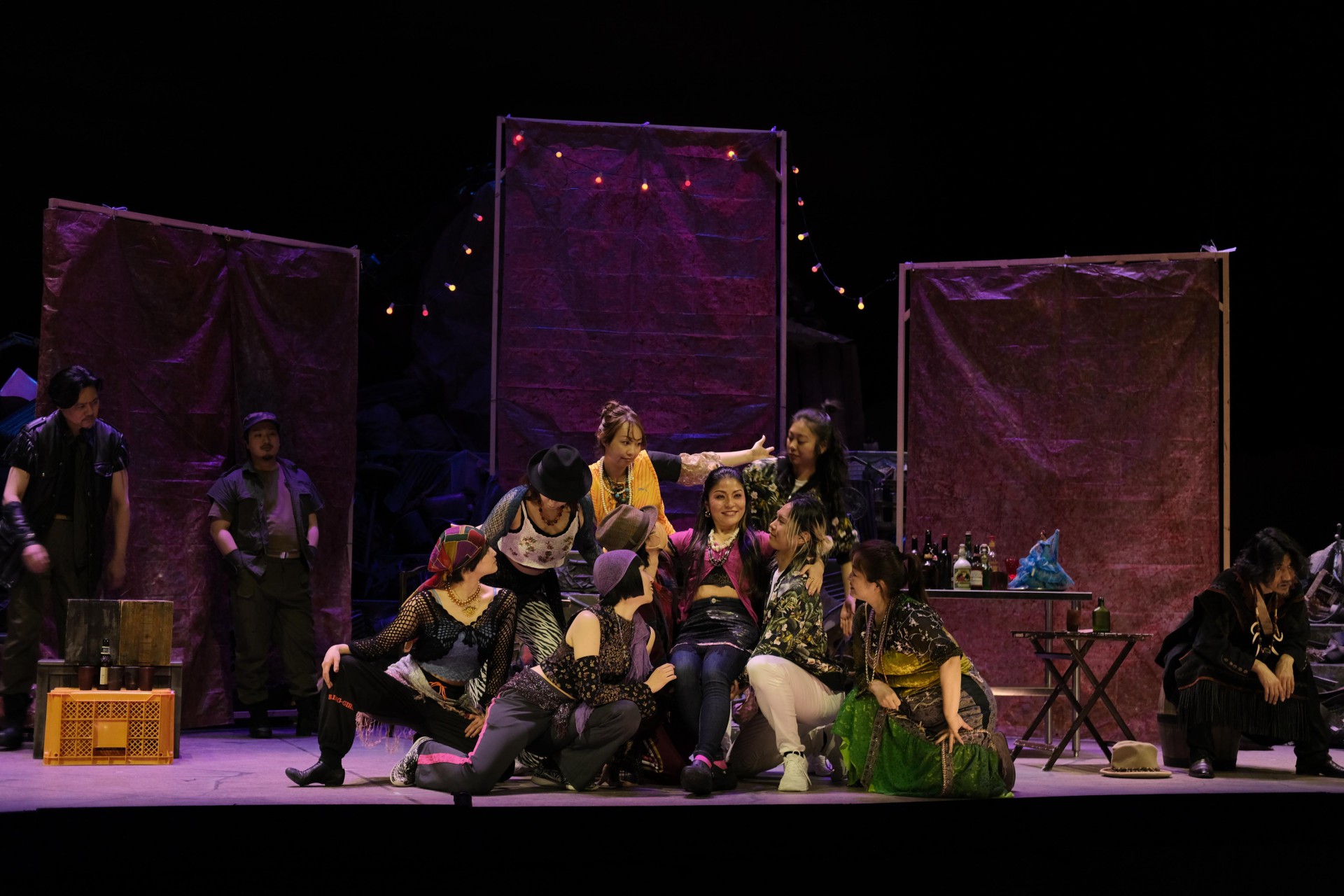
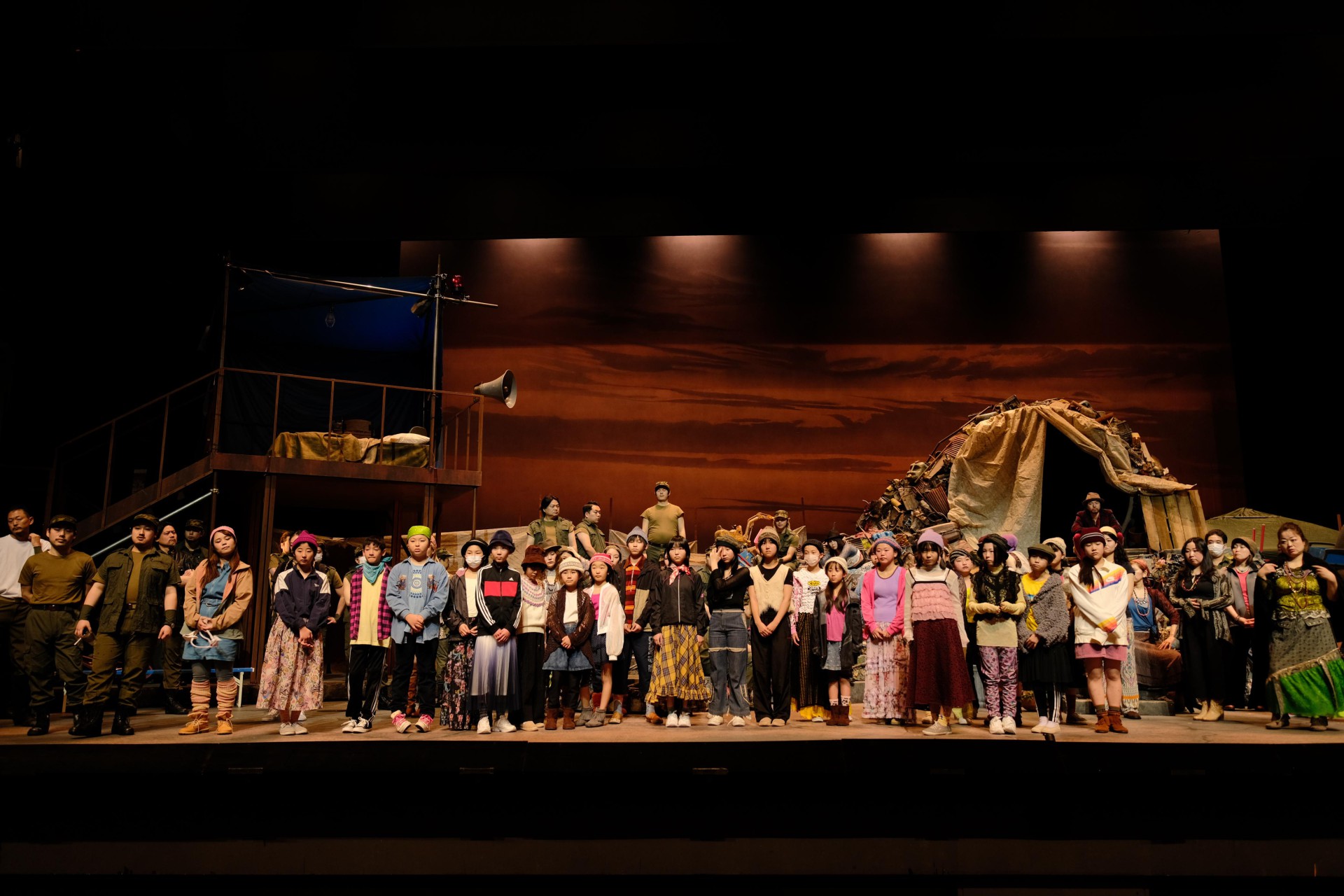
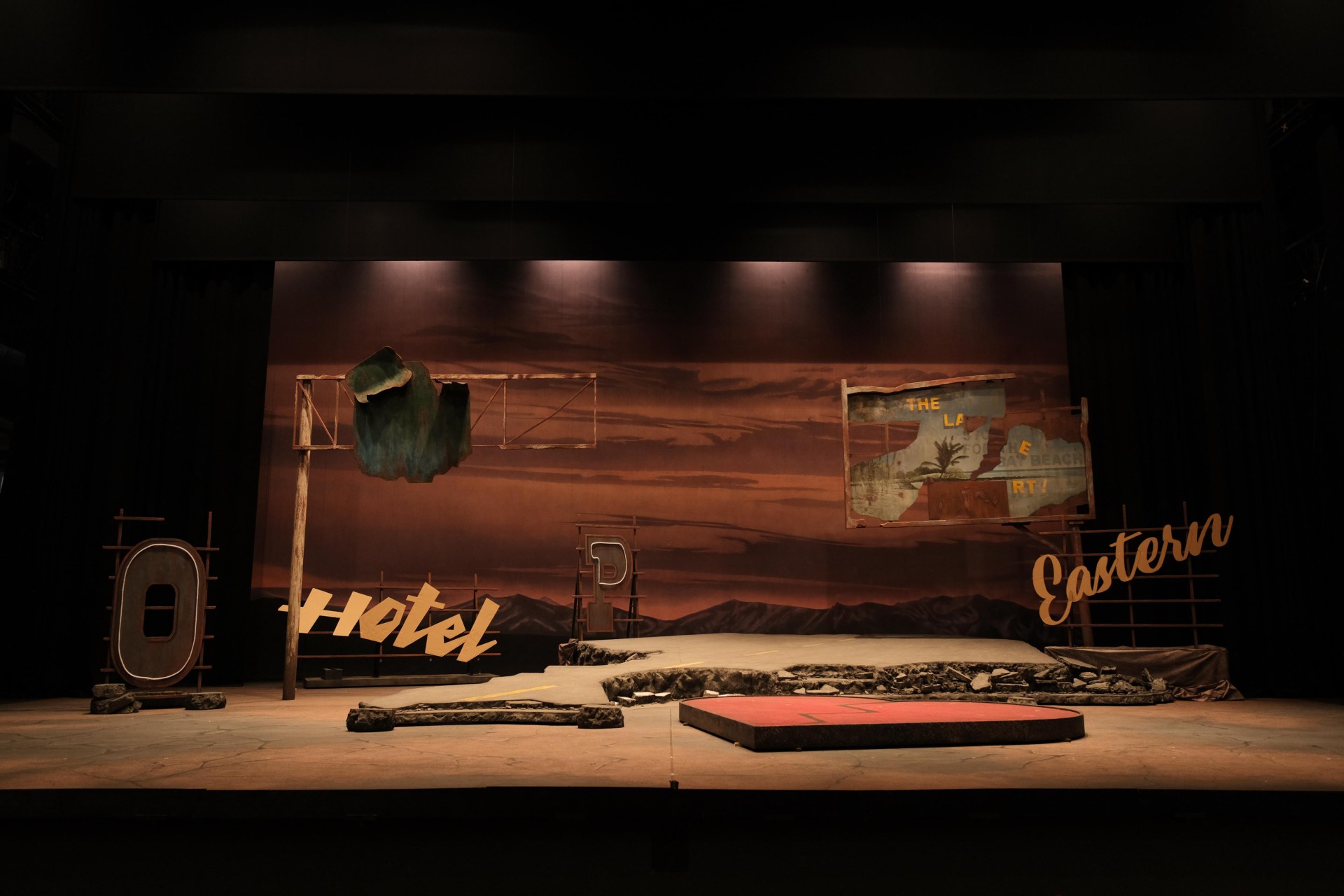
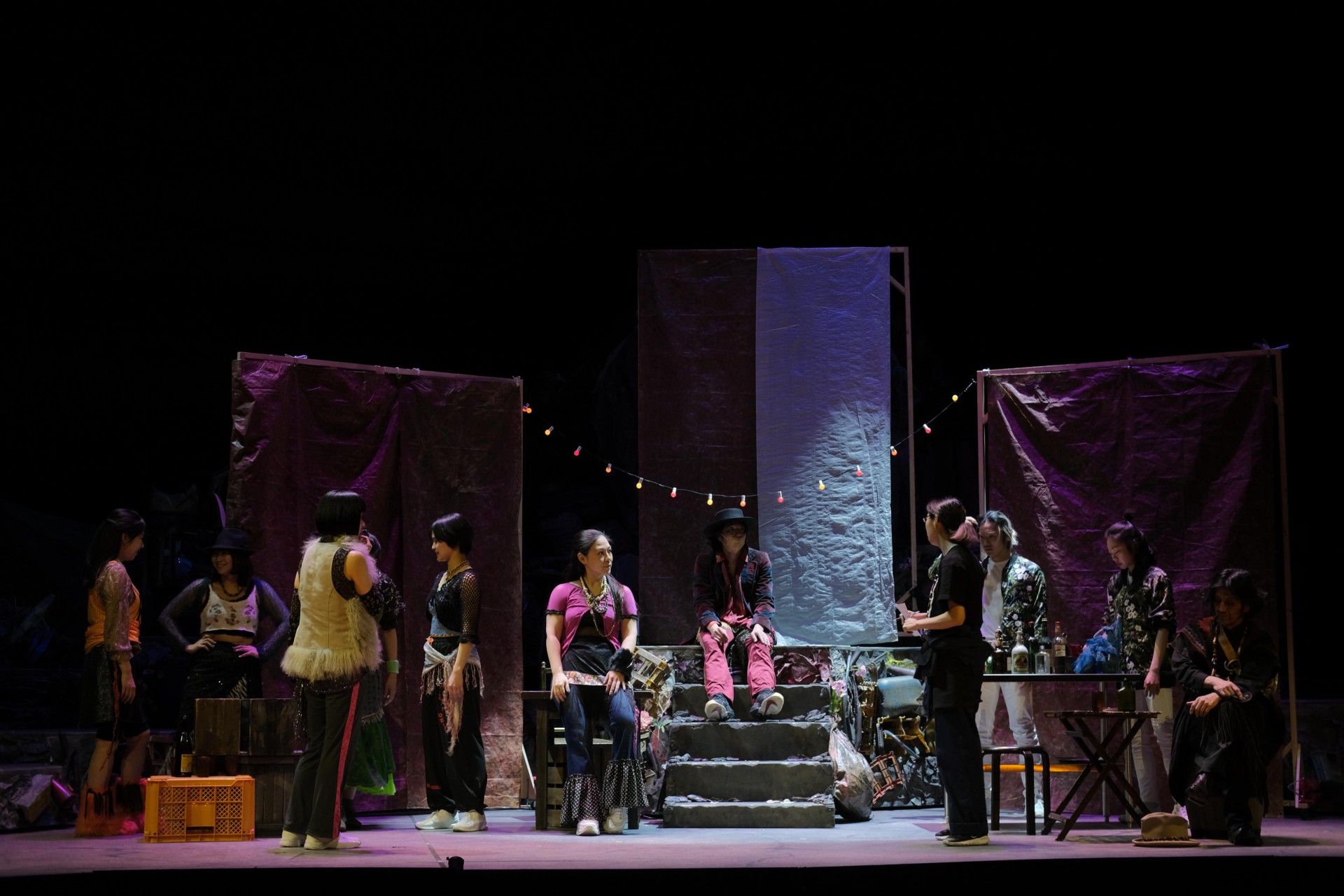
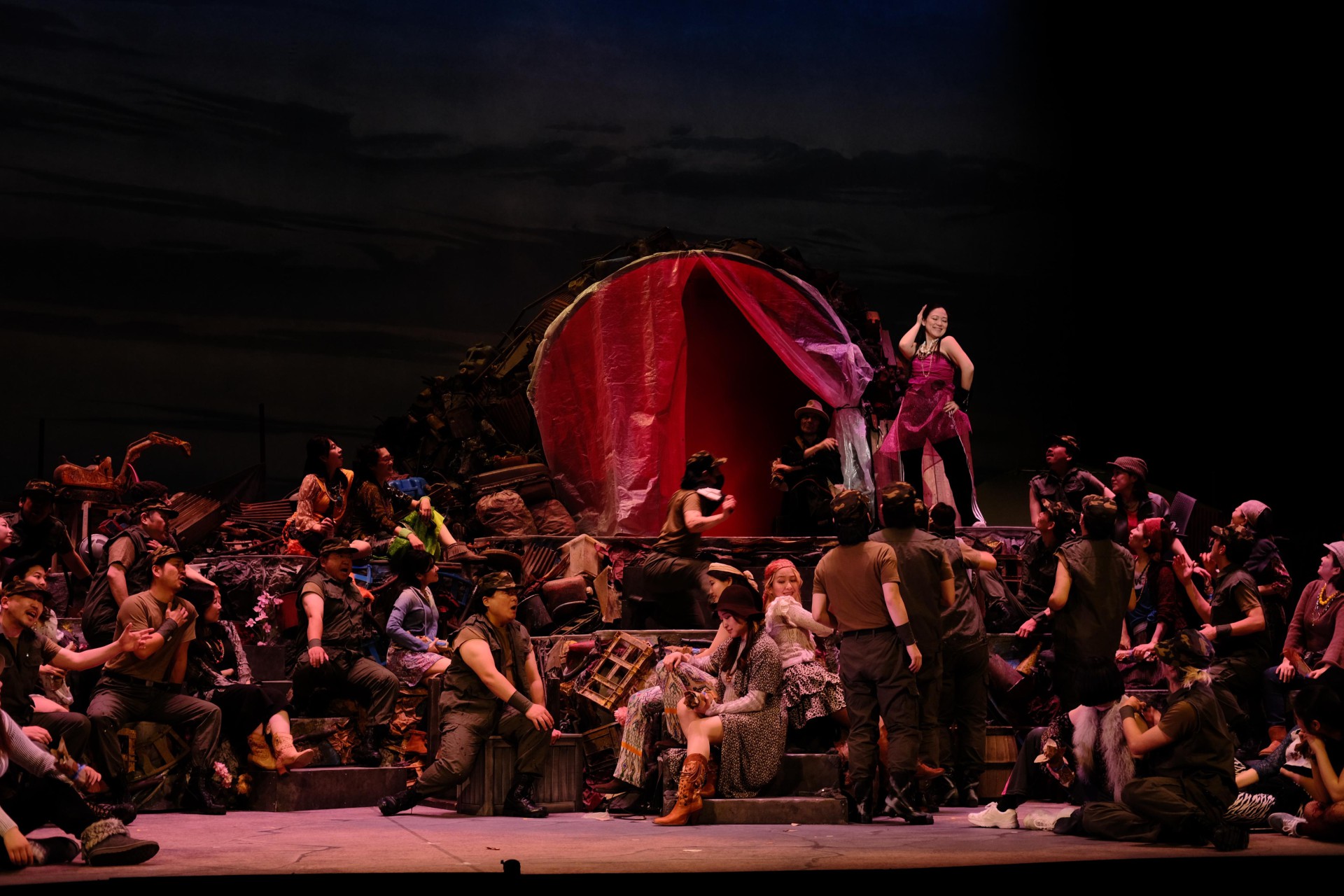
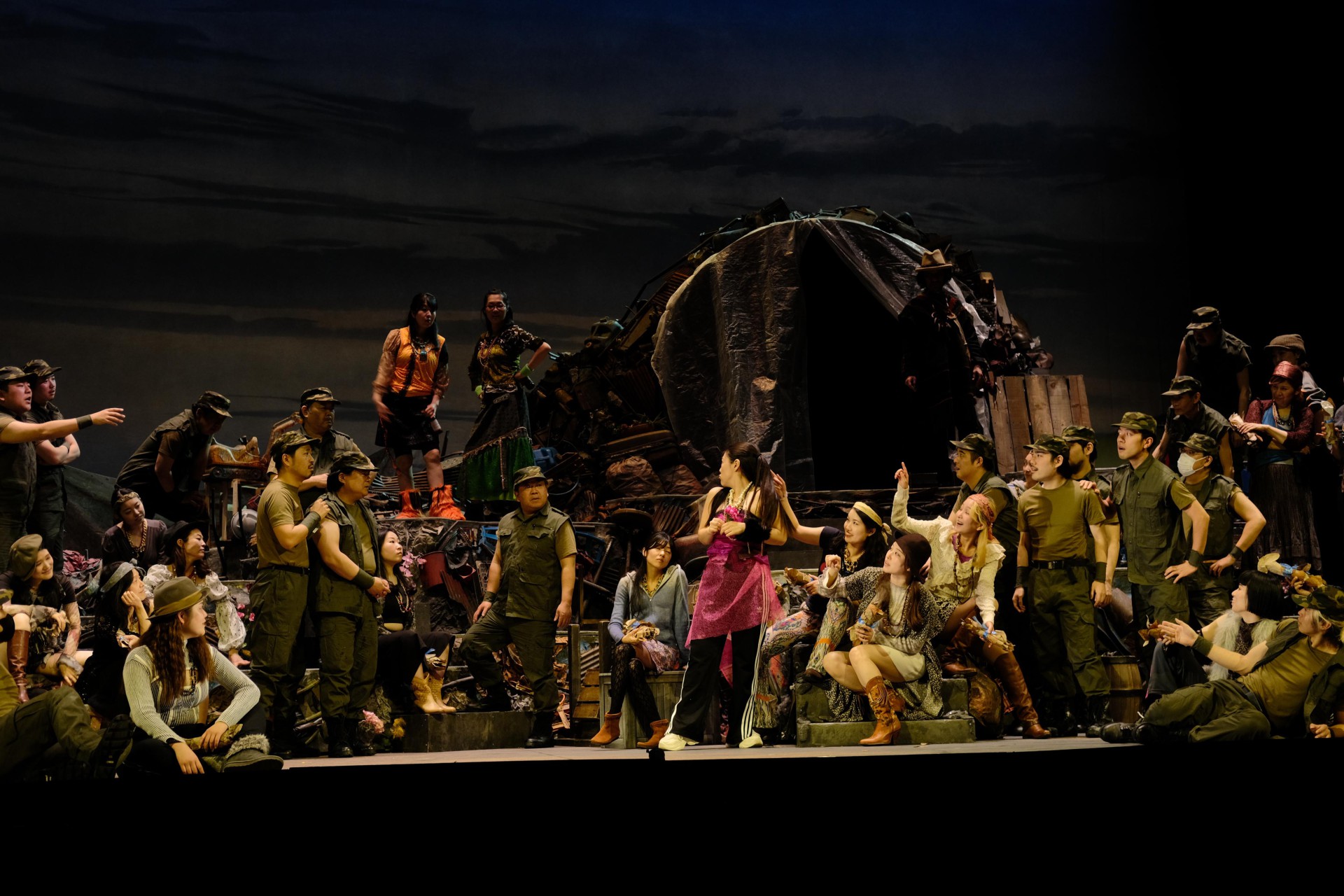
For this production of Carmen in Japan, I faced an interesting challenge: the opera is French, set in Spain, and we’re performing it in Tokyo. Rather than emphasising the Spanish or Romani elements—which can create cultural distance and carry complex issues even in Europe—I chose to create an imaginary world that doesn’t belong to any specific time or place.
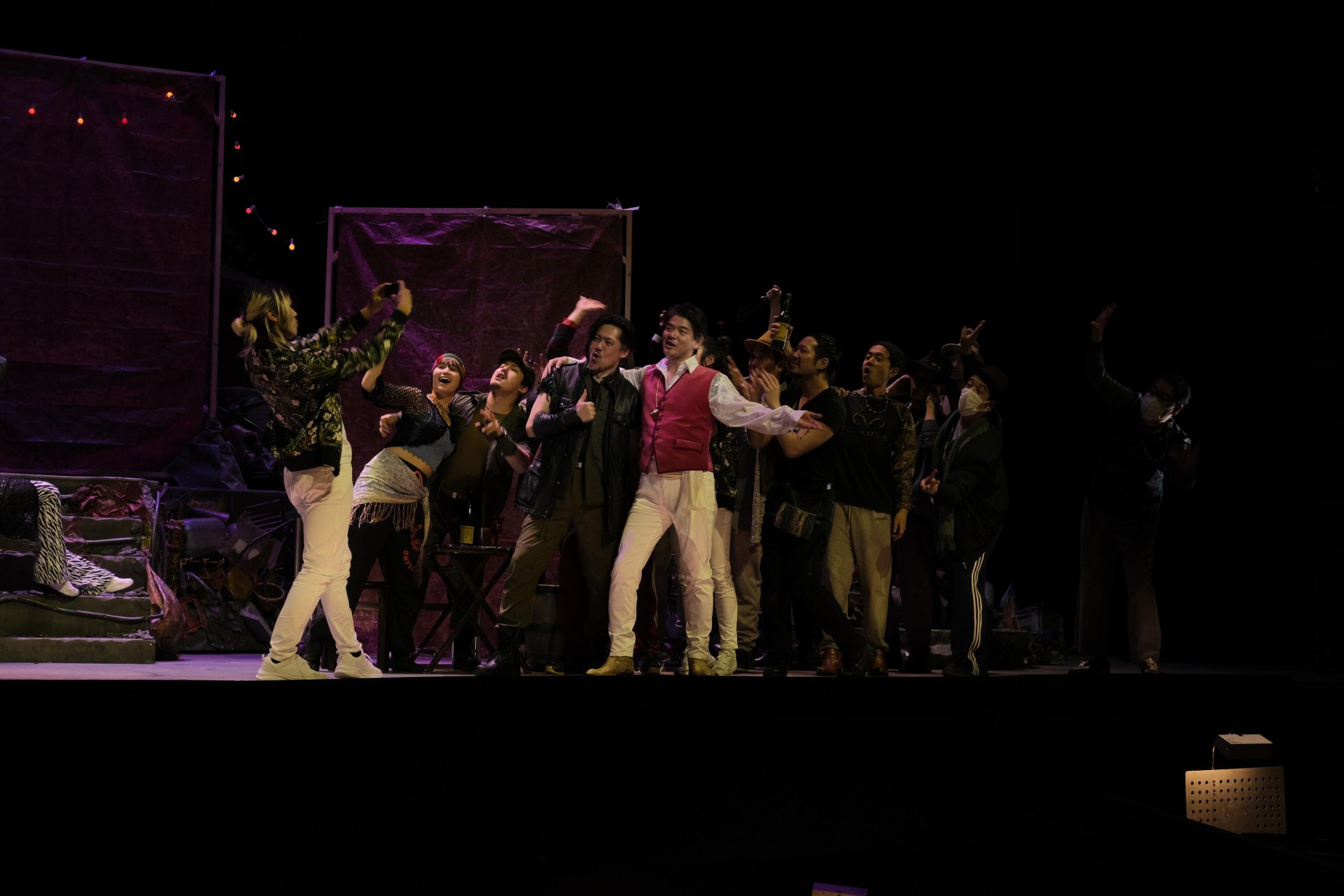
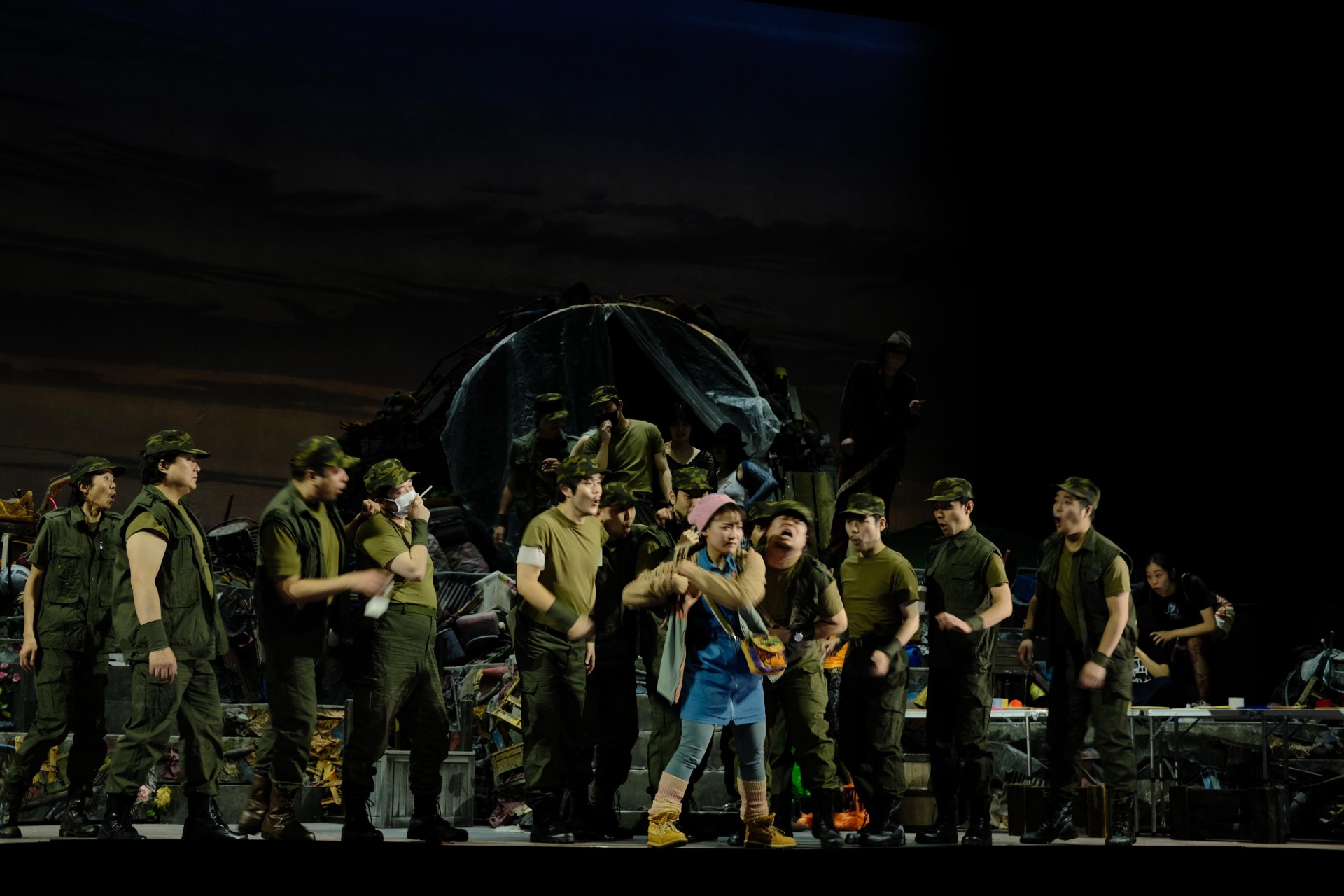
I set the production 20-30 years in the future, in a kind of “no man’s land” where people travel and live freely, without control. Think of the desert landscapes in Mad Max. The Act 1 design is inspired by what I call “beautiful rubble.” I originally wanted a large highway running over it, but for practical reasons, the highway didn’t make it!
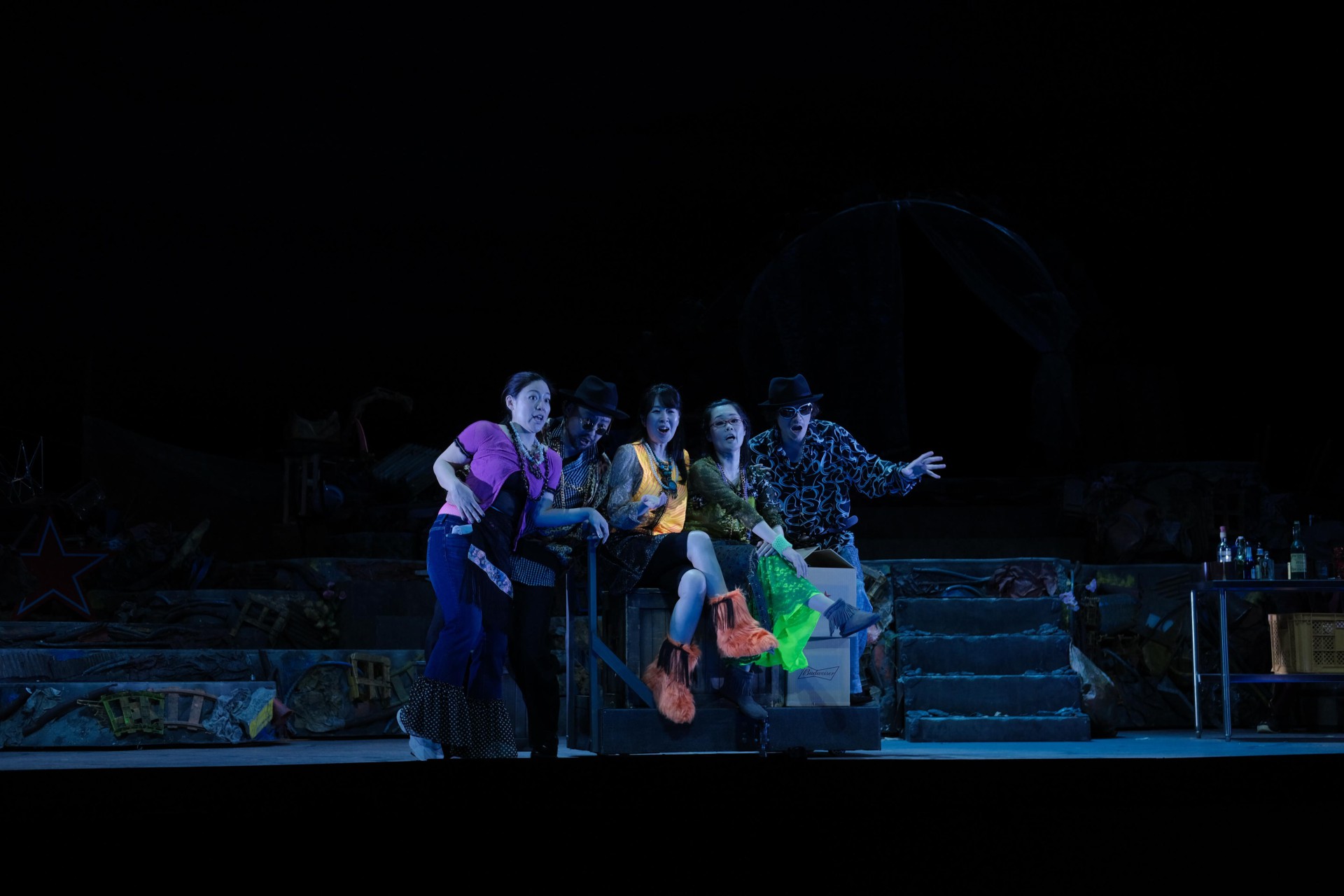
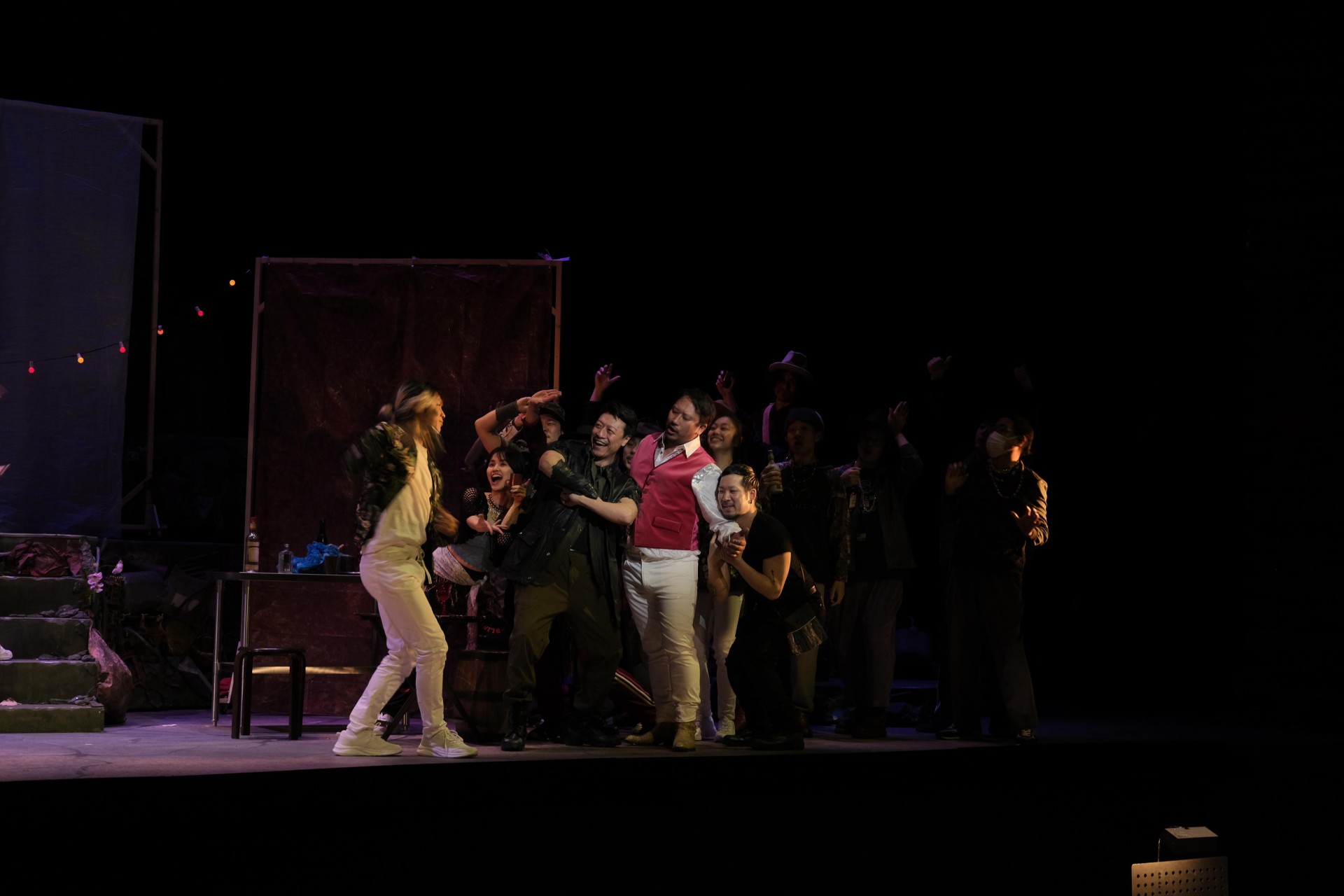
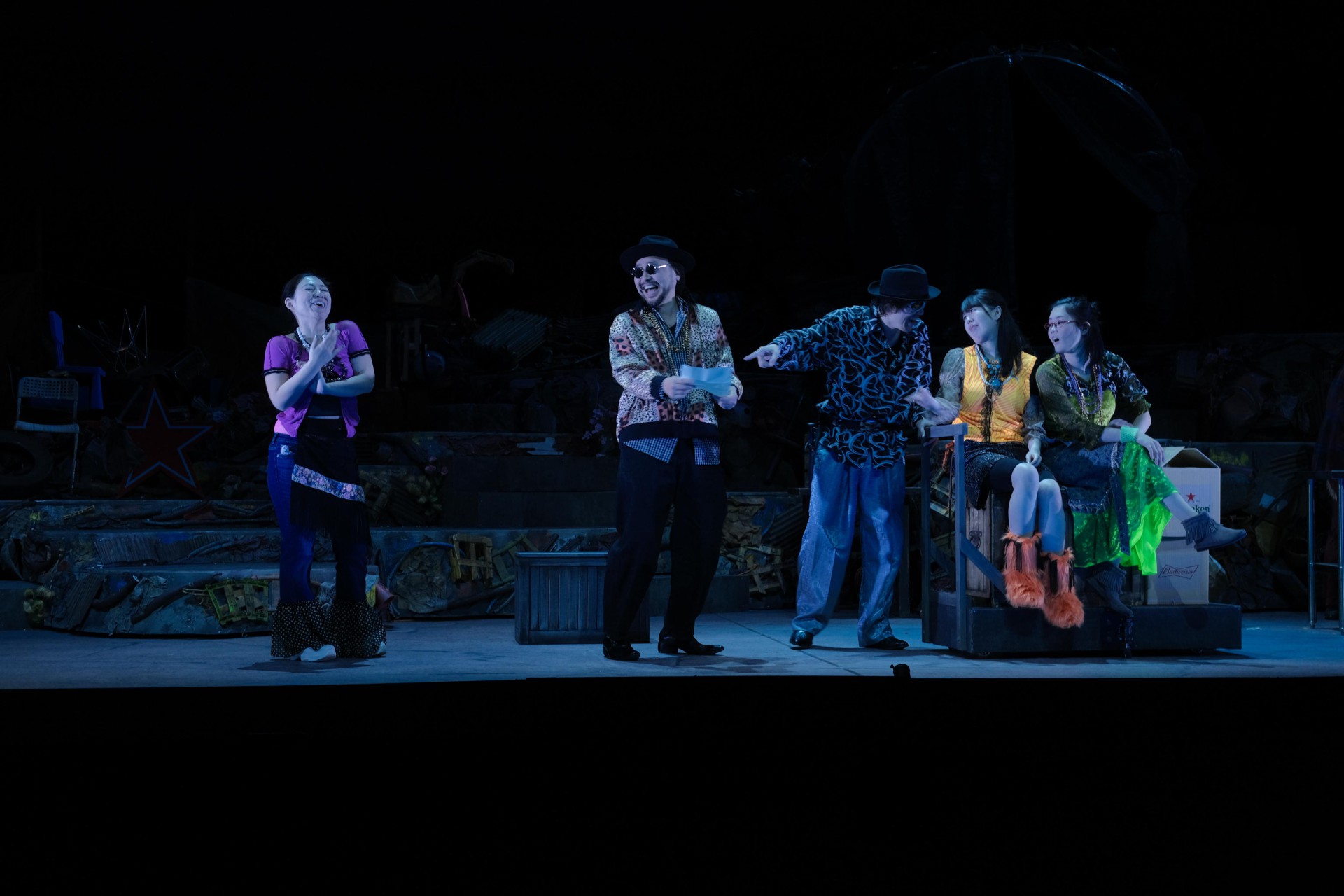
One bold choice we made was cutting all the recitatives. Carmen typically has very long spoken dialogue sections, and no matter how wonderful the singers are, these passages break the energy of the singing. When conductor Okisawa and I started editing, we removed about 70%, then realised we needed to cut it all—otherwise someone suddenly shouting “Hey Carmen, come here!” would feel out of place. The result is a very fast-paced work where you understand everything through movement, without verbal explanation.
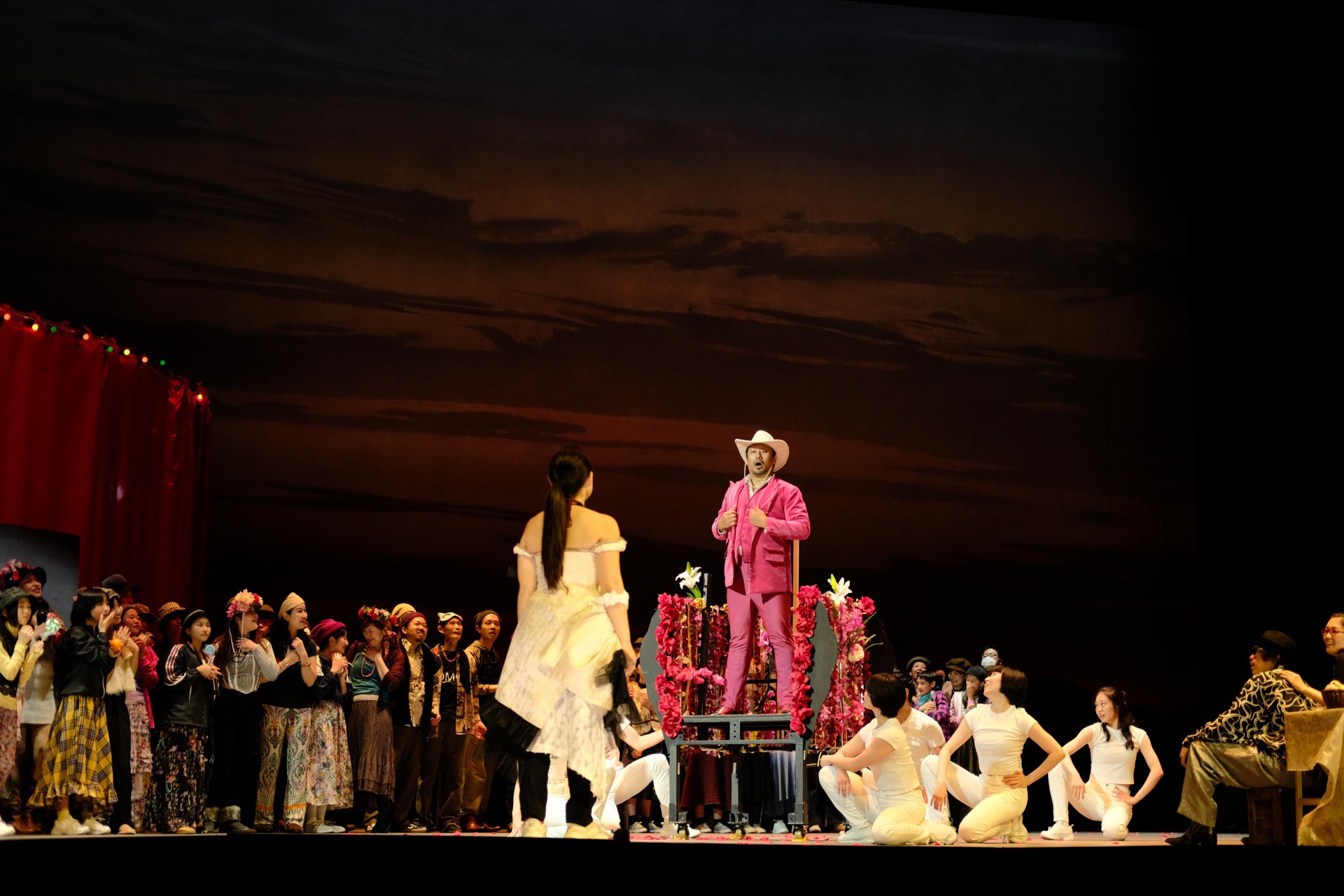
My directing style is completely different from my father’s, though we share the same goal: to make the performers shine. He was a minimalist who could illuminate a single performer on an empty stage. I use lots of props and elements to enhance the performers. Starting my career as an actor makes a big difference—I want to give performers elements that make them feel secure. I approach it more like filmmaking: I want every frame to feel truthful and real.
The rehearsal process was wonderfully collaborative. I listen to my singers and stay flexible—sometimes I’ll say “Just try it!” when we’re exploring a scene for the first time. This creates a joyful atmosphere where we can discover something unexpected together.
This production marks my Japanese opera debut, and I’m honoured to present it during Carmen’s 150th anniversary year.