Premiere: January 14, 2010
Venue: Théâtre du Vésinet, Le Vésinet, France
Later performed at: Théâtre des Bouffes du Nord, Paris (2010)
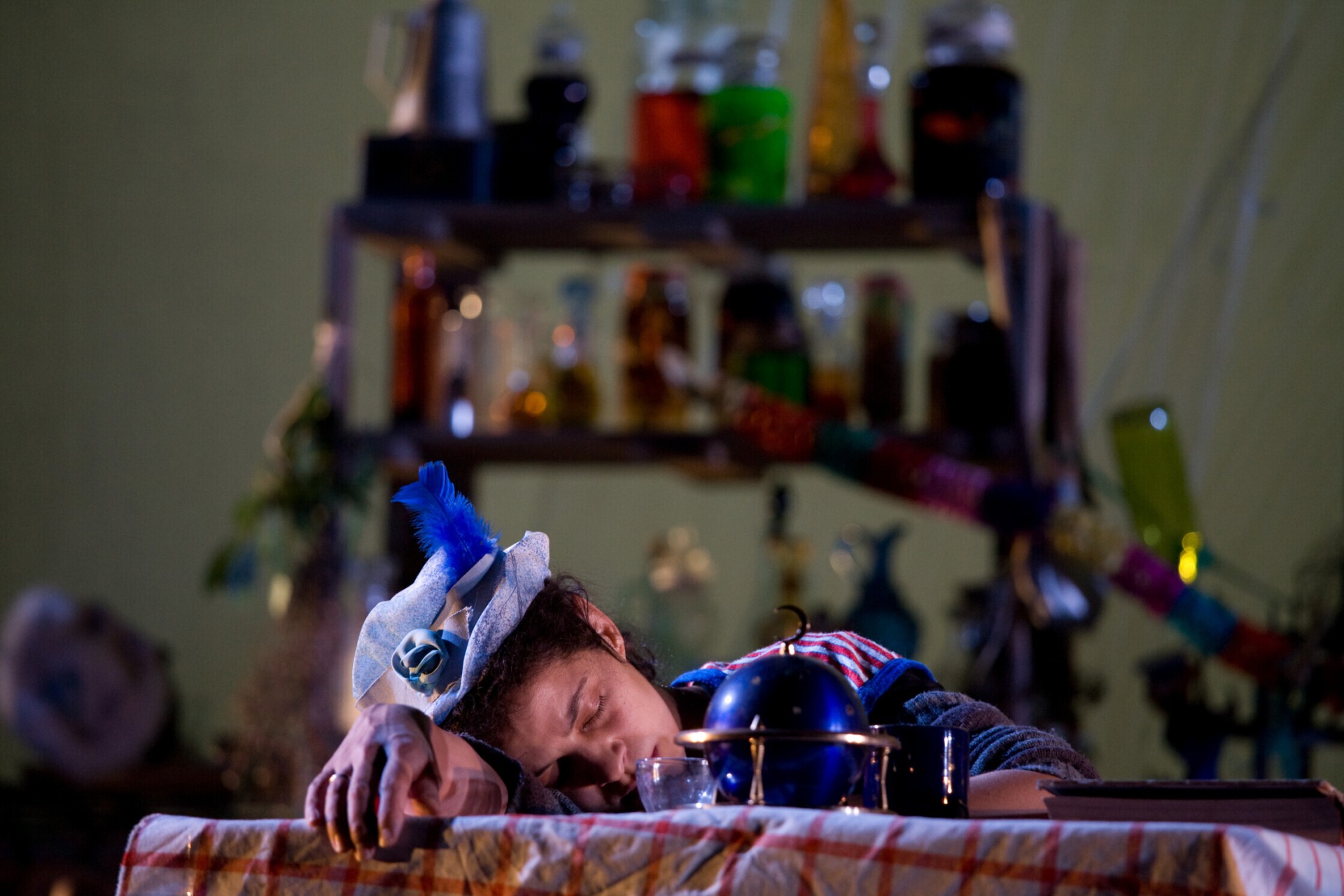
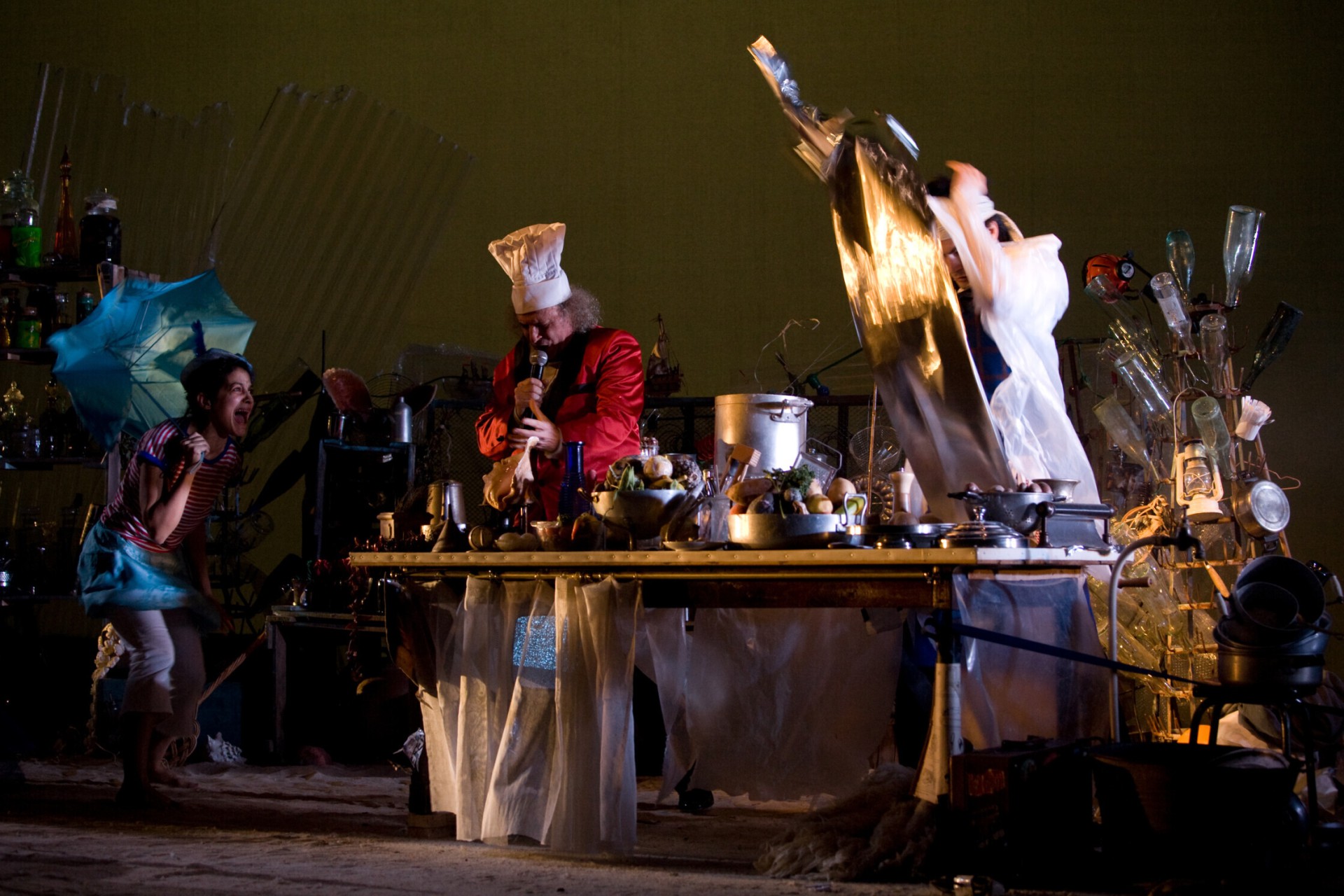
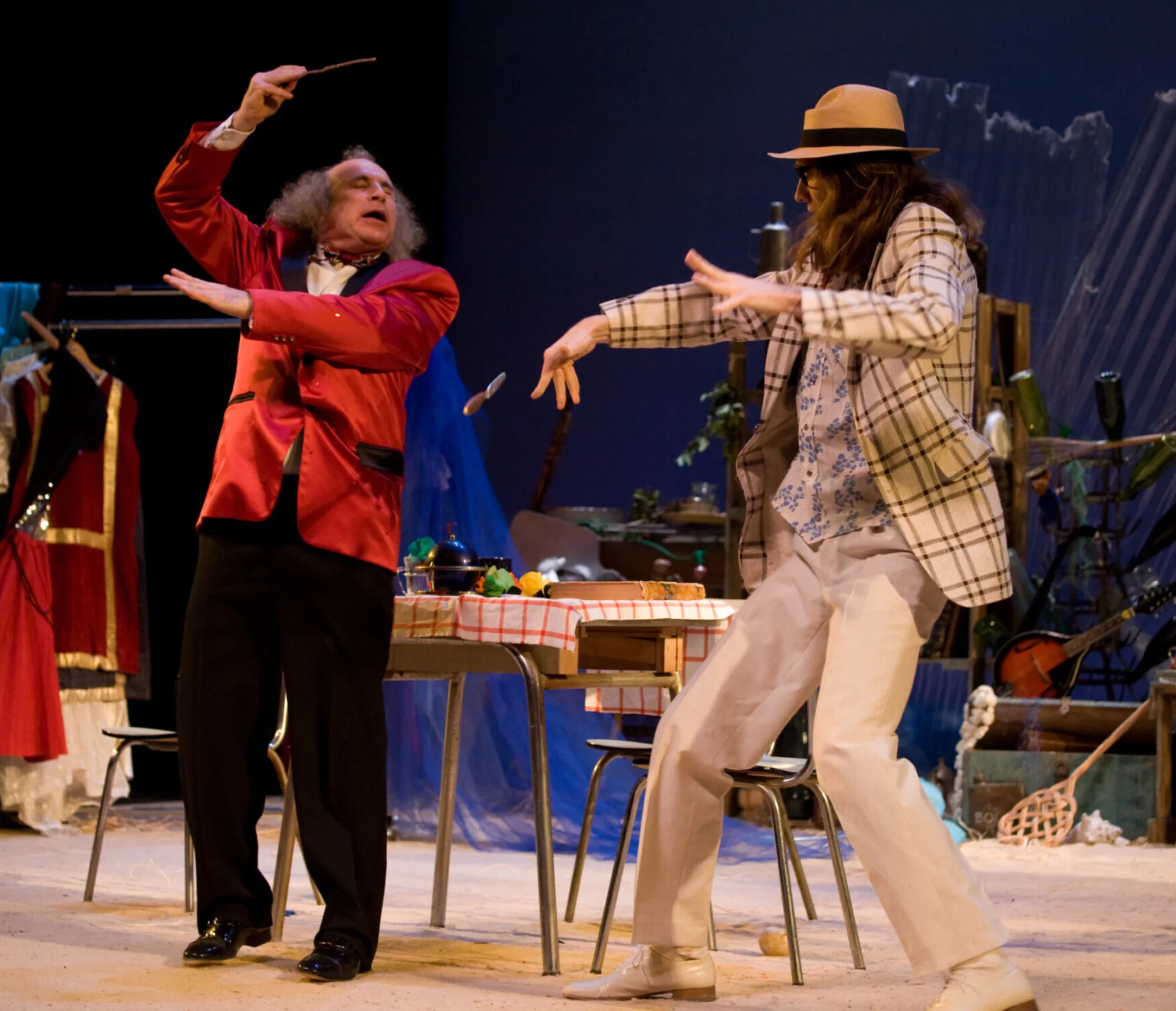
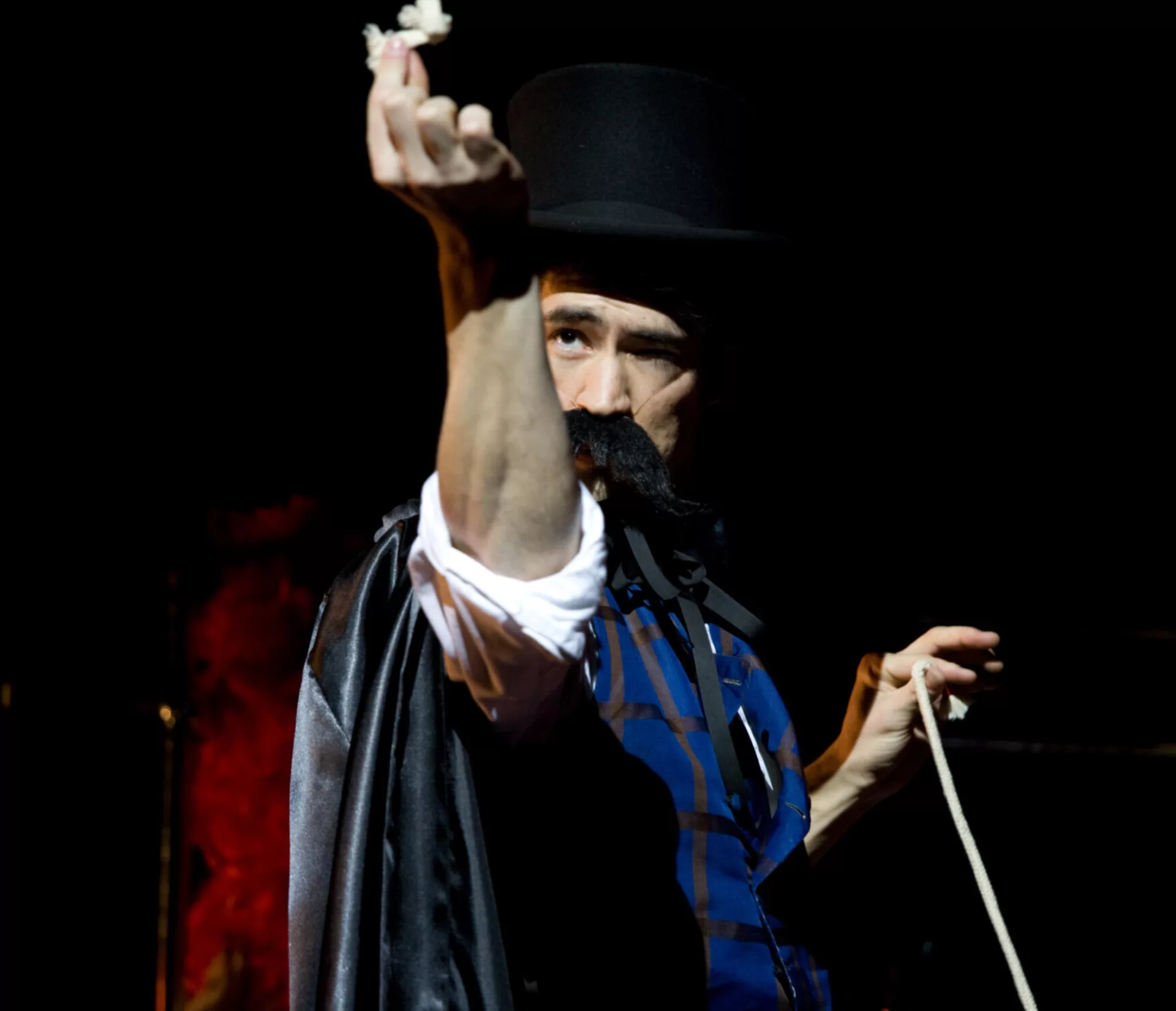
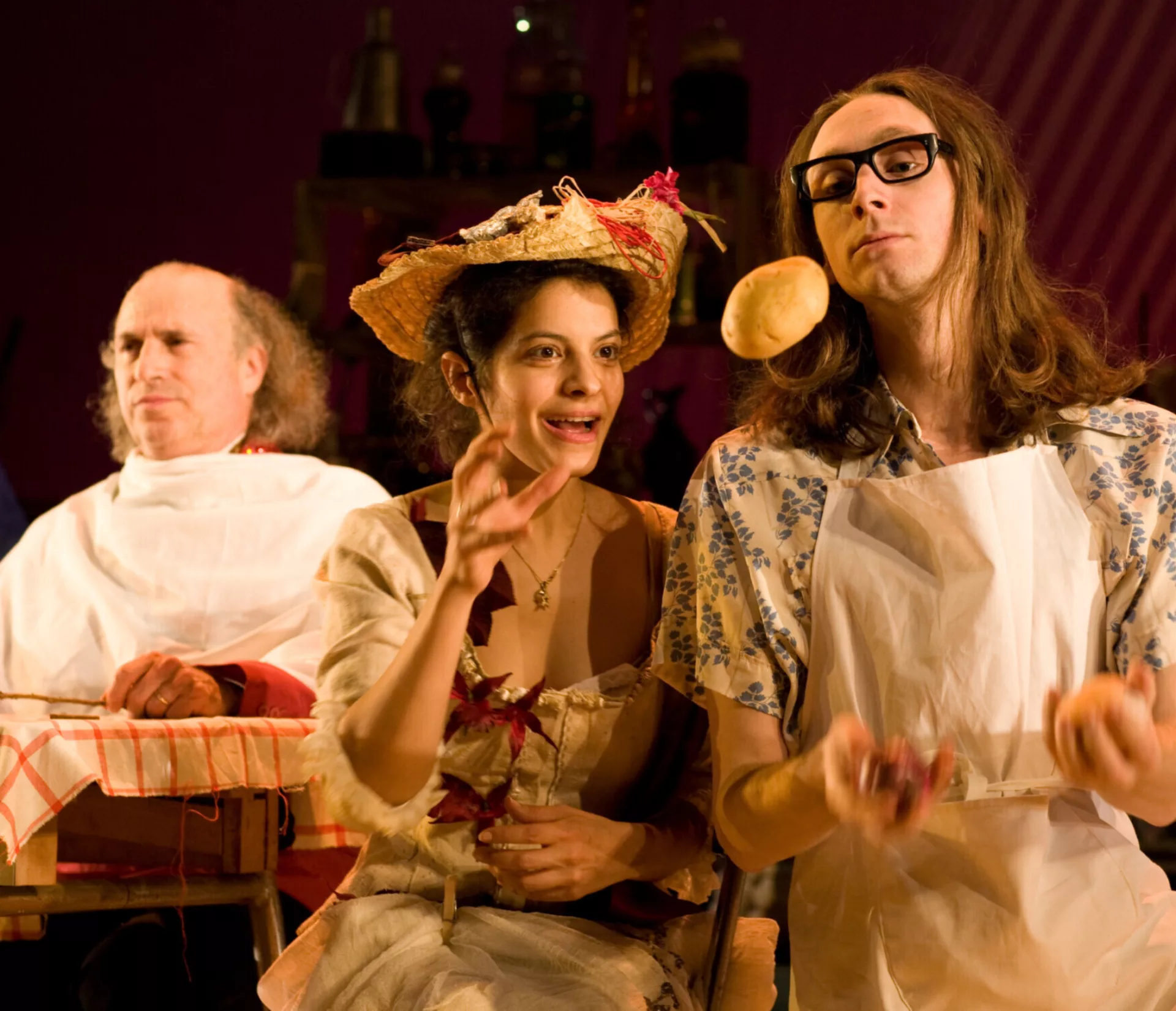
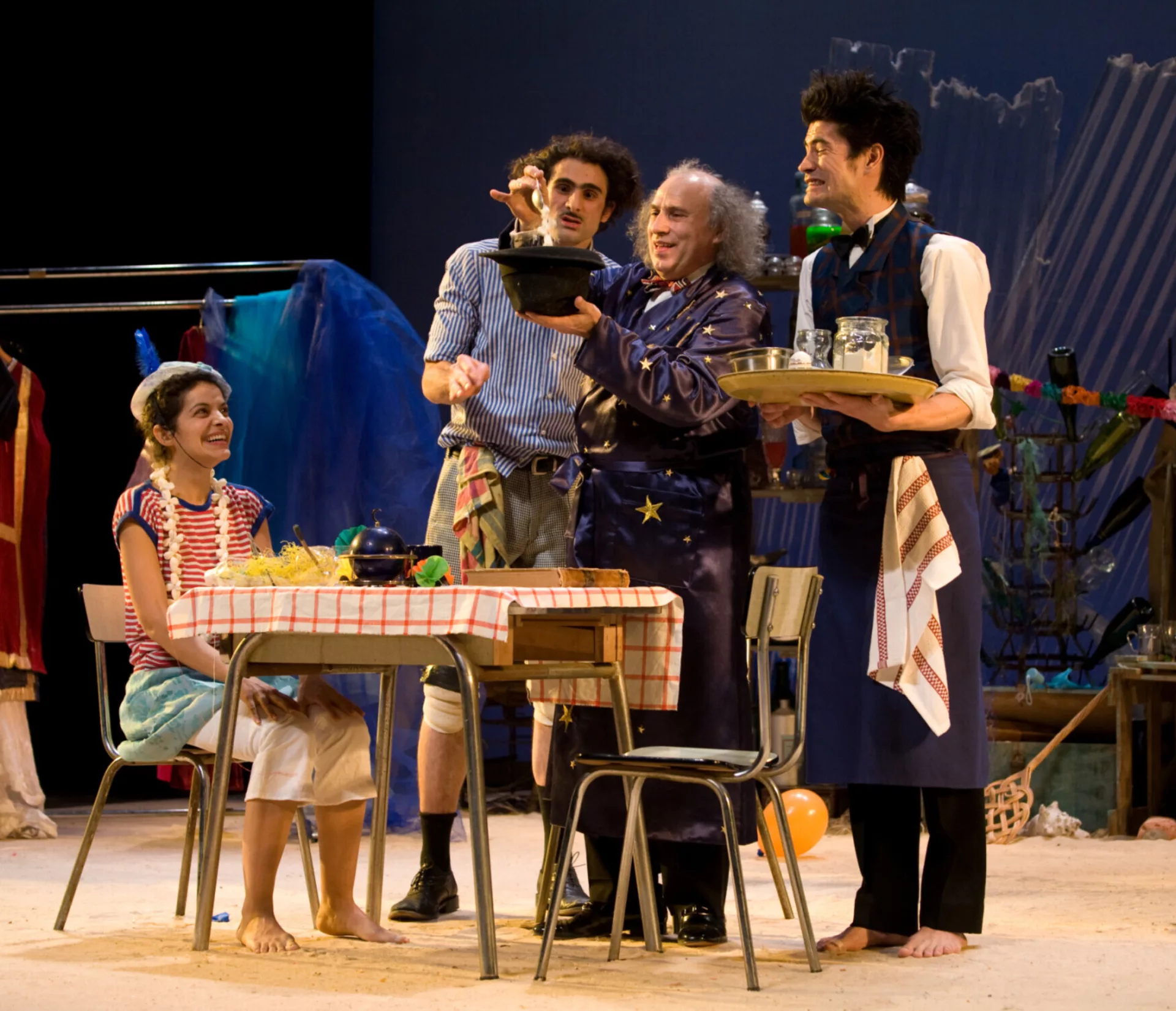
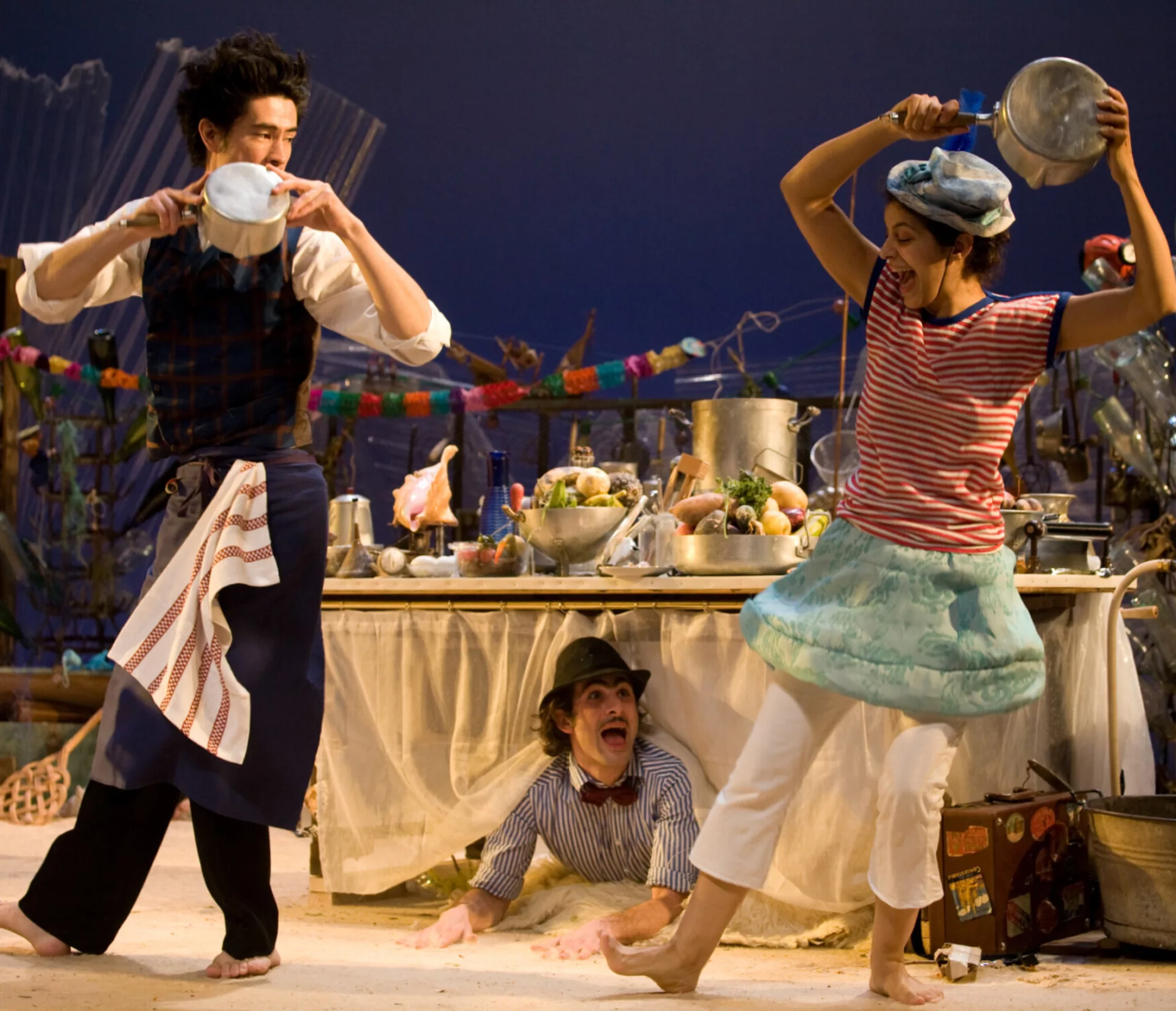
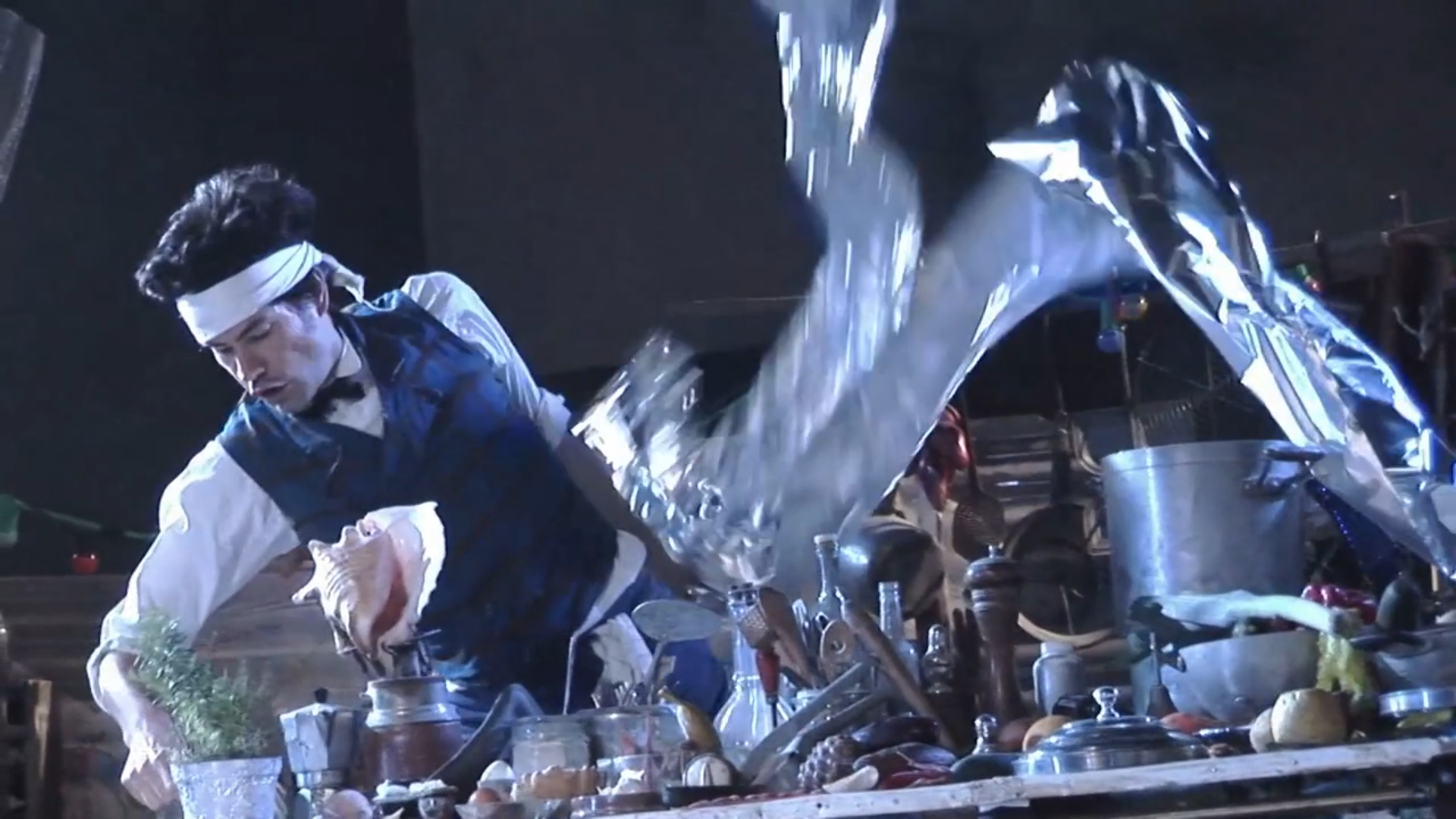
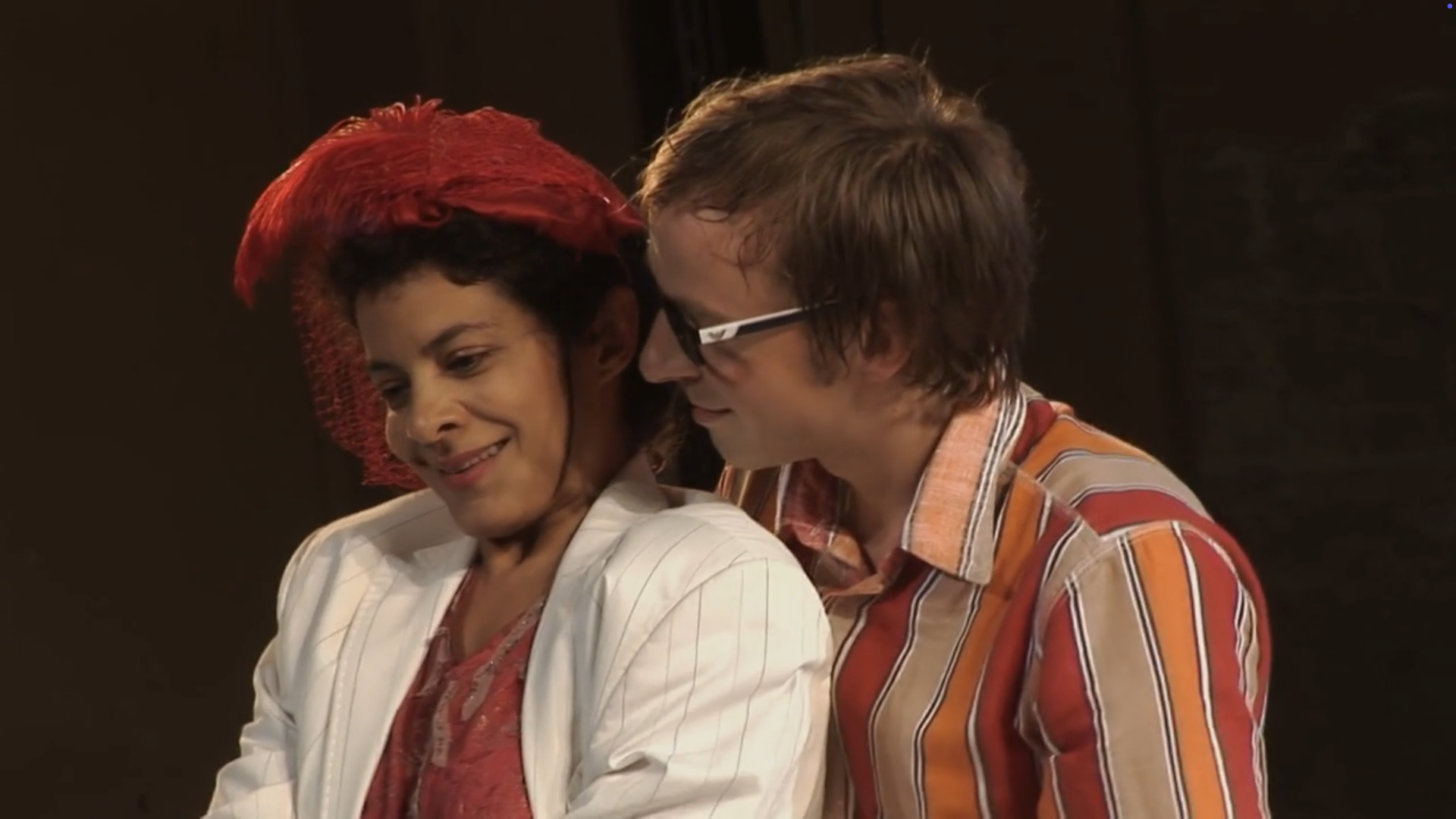
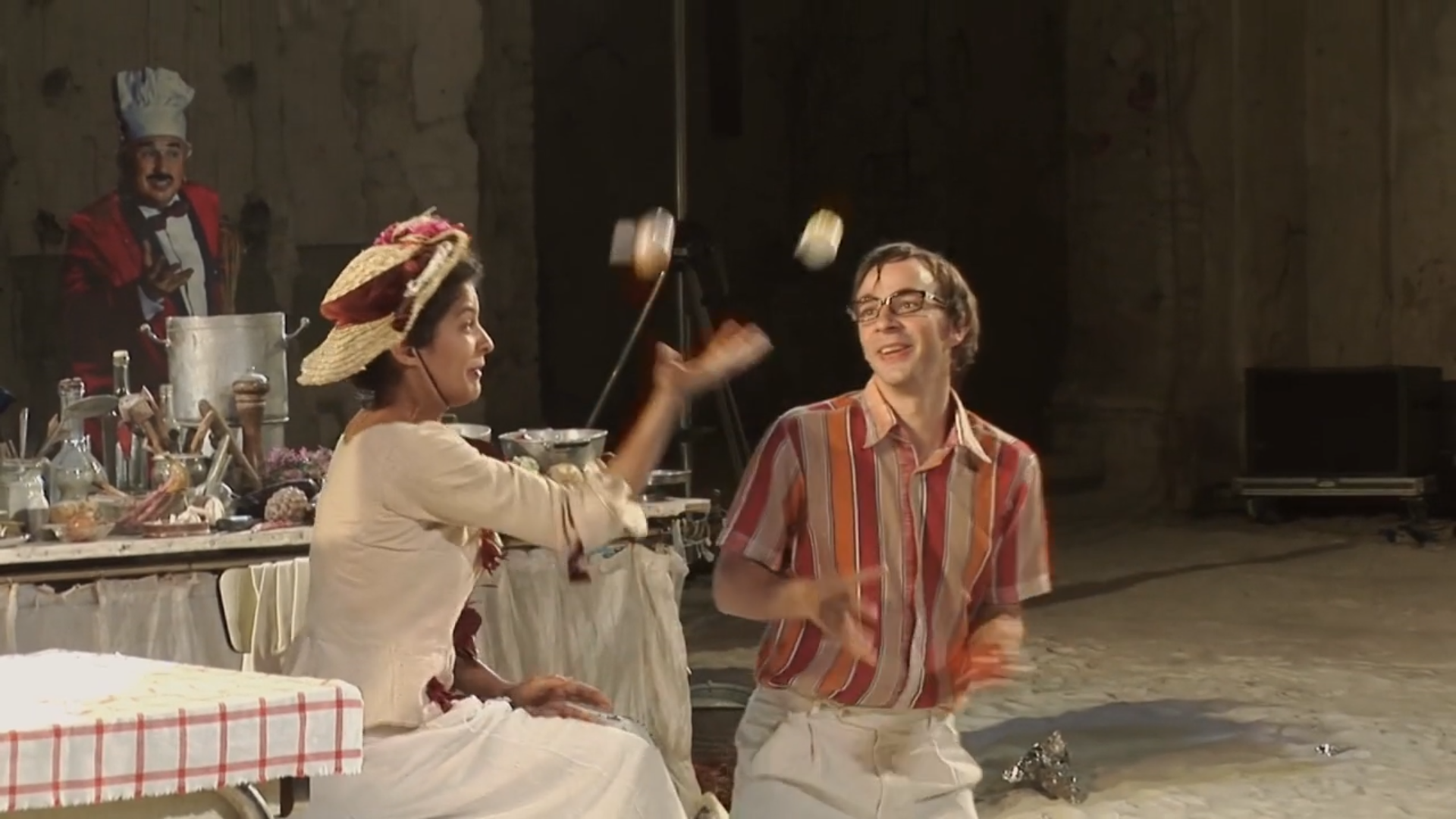
When I first staged The Tempest in 2010, I imagined Prospero’s kingdom as a big Neapolitan restaurant. Renato Giuliani, who is as passionate about magic potions as he is about cooking, inspired this vision. I pictured a kitchen by the sea, Italian waiters smoking on the beach, and Miranda in dark glasses, like a movie star. I was drawn to the Italian setting, as Shakespeare himself often evoked Italy, from Romeo & Juliet in Verona to The Tempest with its connections to Naples and Milan.
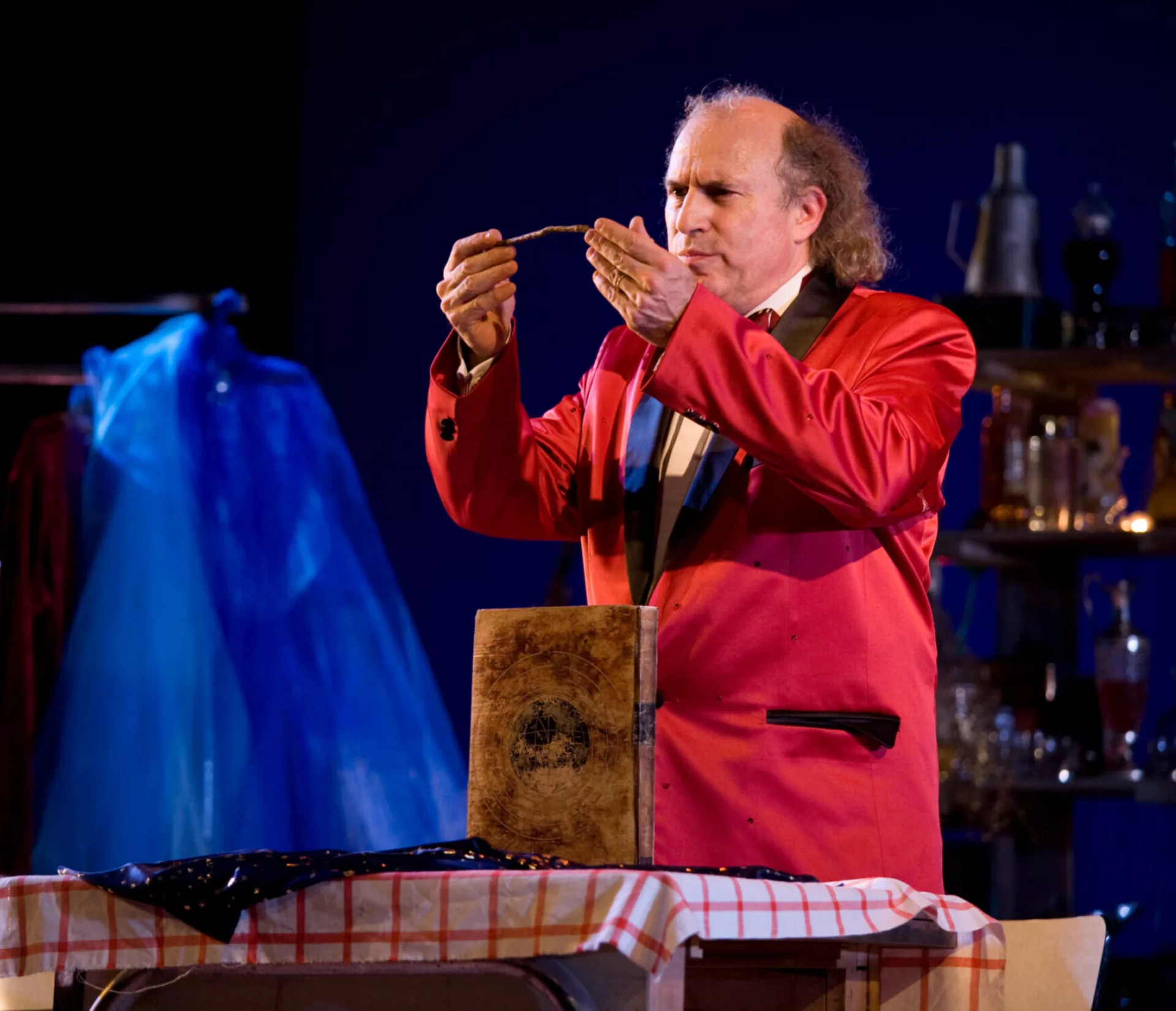
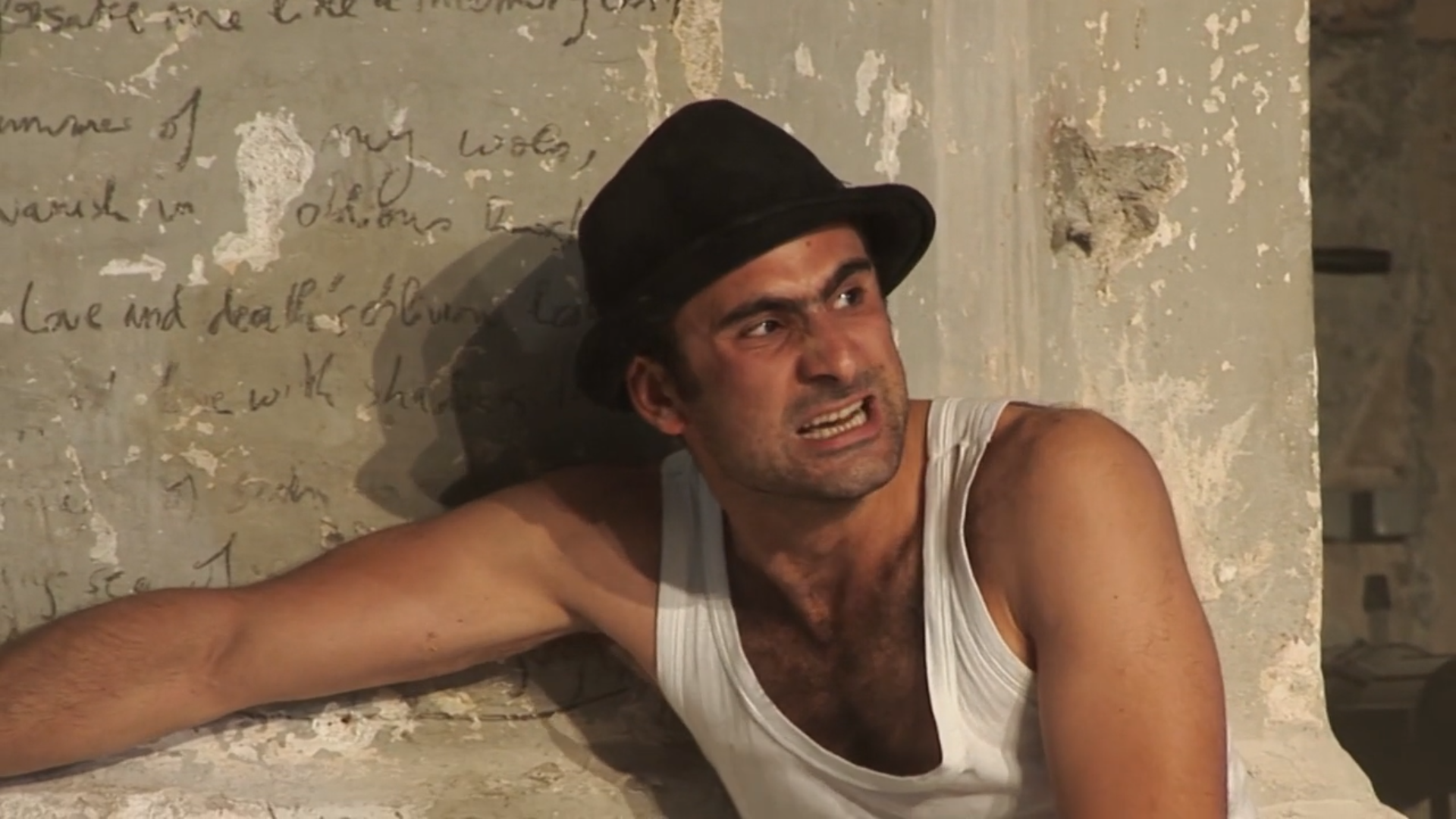
At first, the father-daughter relationship captivated me, but revisiting the play years later, I became fascinated by the imbalance of power. Prospero is a tyrant, controlling his daughter, servants, and even nature with his magical powers, consumed by revenge. The arrival of his enemy’s son on the island forces him to confront a choice between vengeance and reconciliation. This is the play’s emotional turning point: Prospero must forgive, relinquish control, and accept his fragility, embracing what it means to be human.
This is Shakespeare’s final play, and much has been written about its ending. Prospero’s lines feel like Shakespeare’s farewell to the stage, full of mystery and metaphysics. “We are such stuff as dreams are made on” quickens a silence within us, stirring emotions that unsettle everything around us. That is Shakespeare’s genius—his words connect us to the very essence of humanity.
For me, this play has a deeply personal connection. It reflects years of conversations with my father about its essence, moving between pure entertainment and profound spirituality. The Tempest is a fairytale filled with magicians, monsters, and exiles, but beneath the surface lies unmatched intensity and depth. Like the sea, its true depth remains unfathomable, and its words take on an even greater dimension when spoken under the open sky, where Shakespeare’s plays were originally performed.
Creating the play in nature has always been essential. Out in the countryside, we find ourselves in a living, organic space, free from the imposing atmosphere of a theatre. It mirrors the experience of Shakespeare’s time, where actors and audiences were literally under the stars, and every word is touched by the elements—the wind, the rain, and the sky. This connection to nature makes The Tempest a truly transformative experience.