For me, the theatre has never been a closed temple or a place for the elite. It is a mission—a work of transmission that feels more crucial today than ever. In a world of global crisis, I see the theatre as an exceptional gathering place, a source of inspiration that can actually contribute to rebuilding our society. Since taking over the Théâtre National de Nice in 2014, my dream has been to ‘infiltrate’ the world with the power of words, taking the stage beyond its traditional walls and into the streets, the schools, the prisons, and even the stadiums.
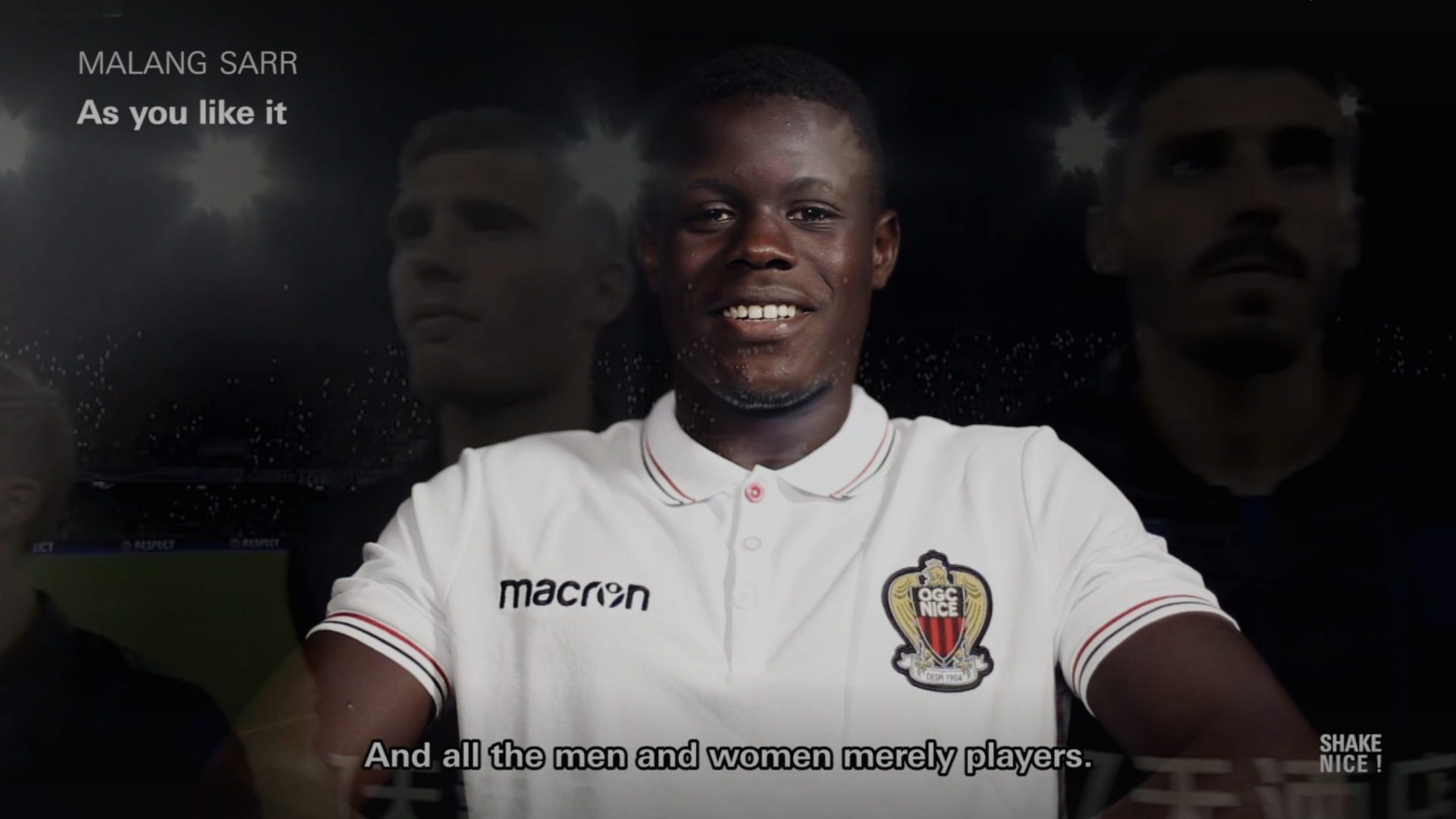
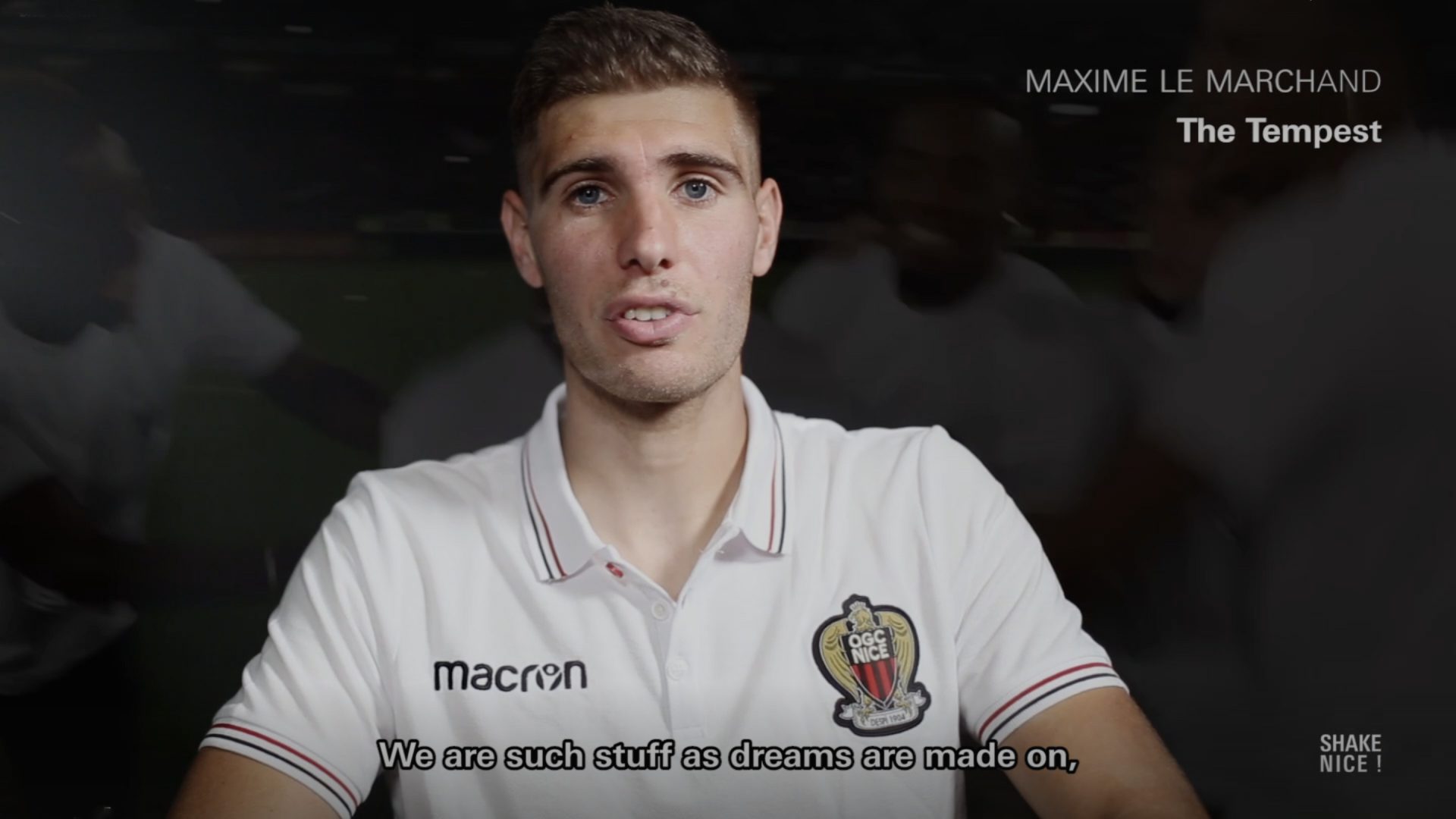
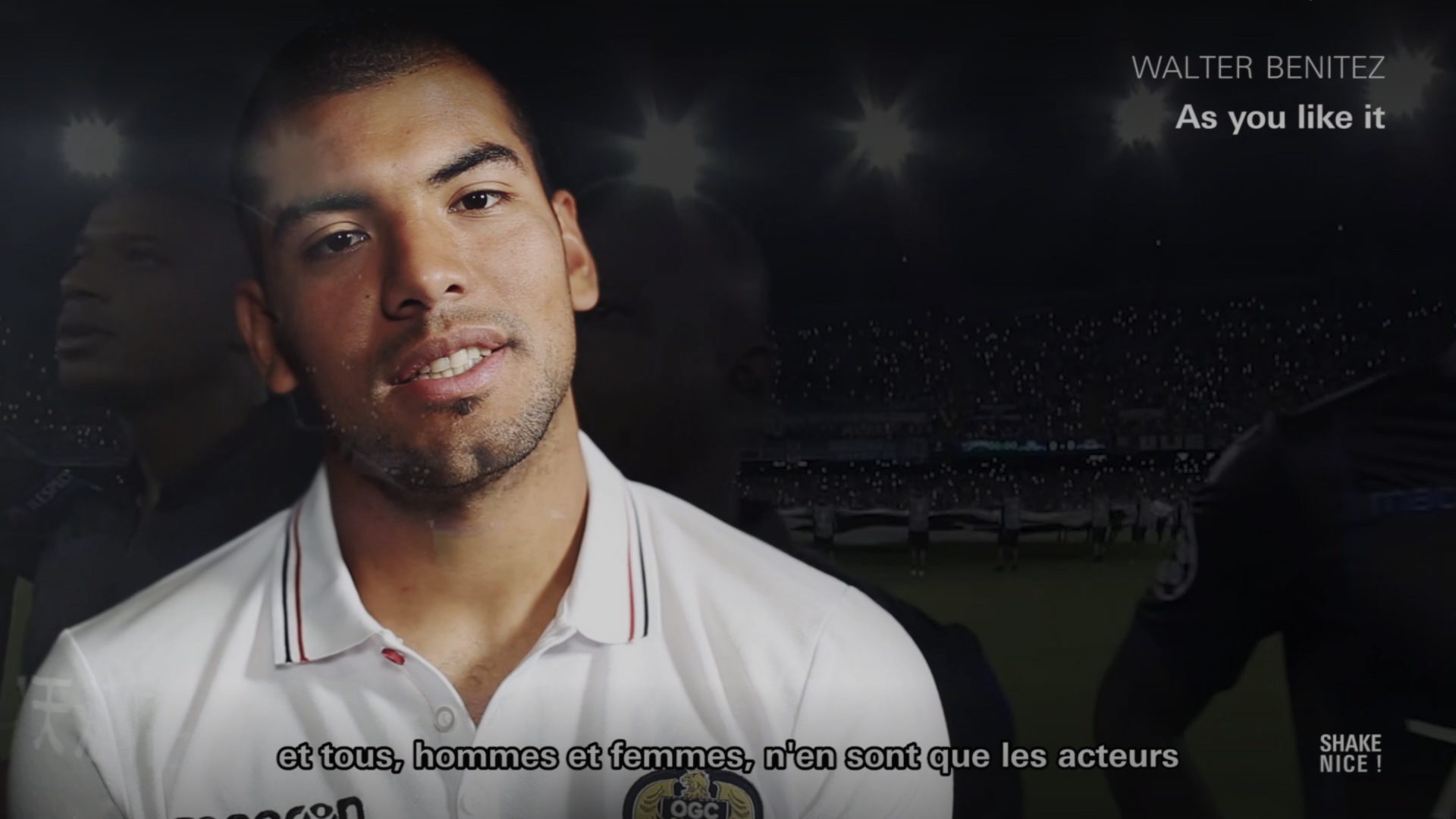
One of my most cherished projects was born from this desire to prove that Shakespeare belongs to everyone. I imagined a wonderfully original challenge: bringing together the worlds of the stage and the pitch through Shakespeare Football.
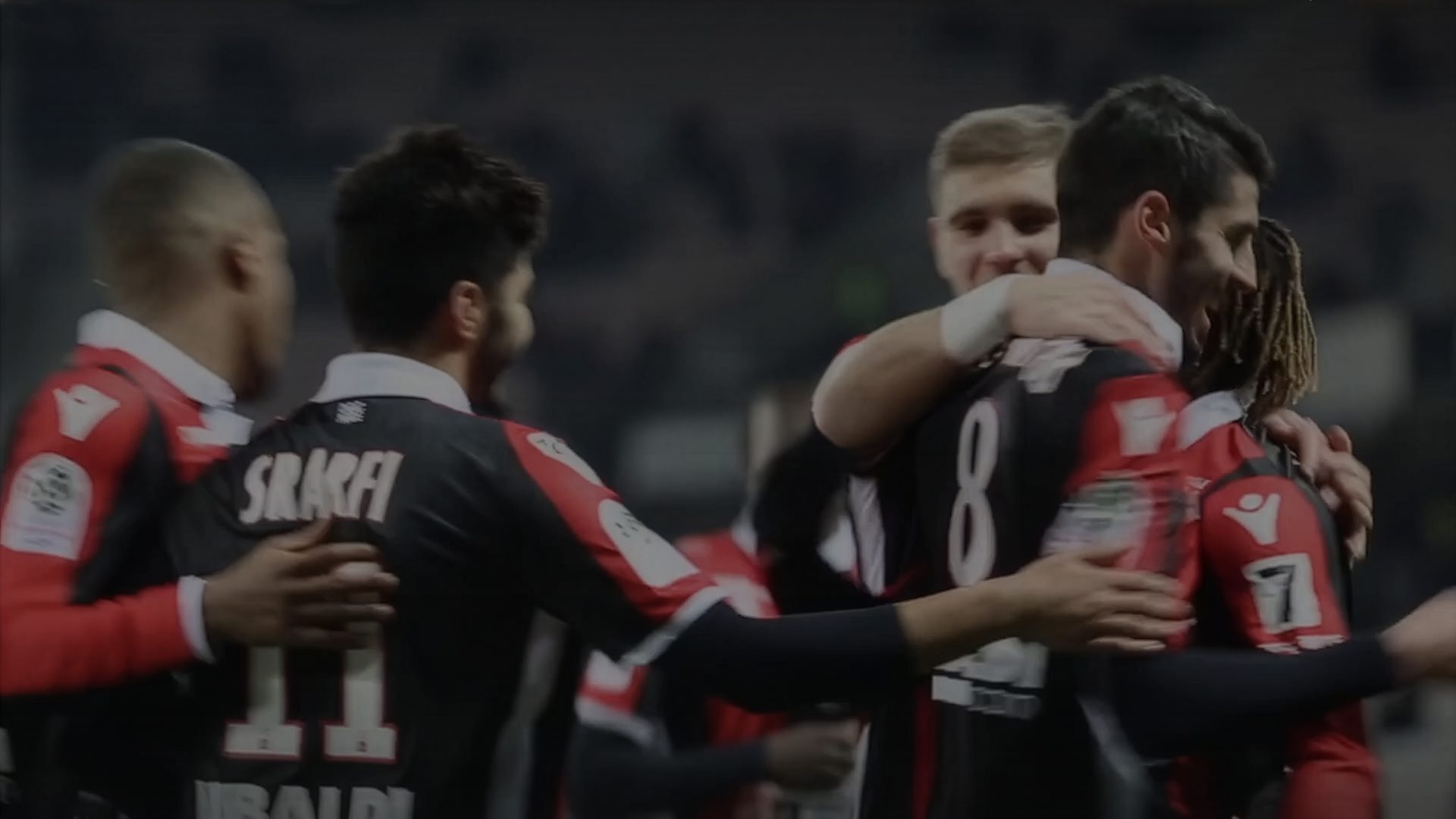
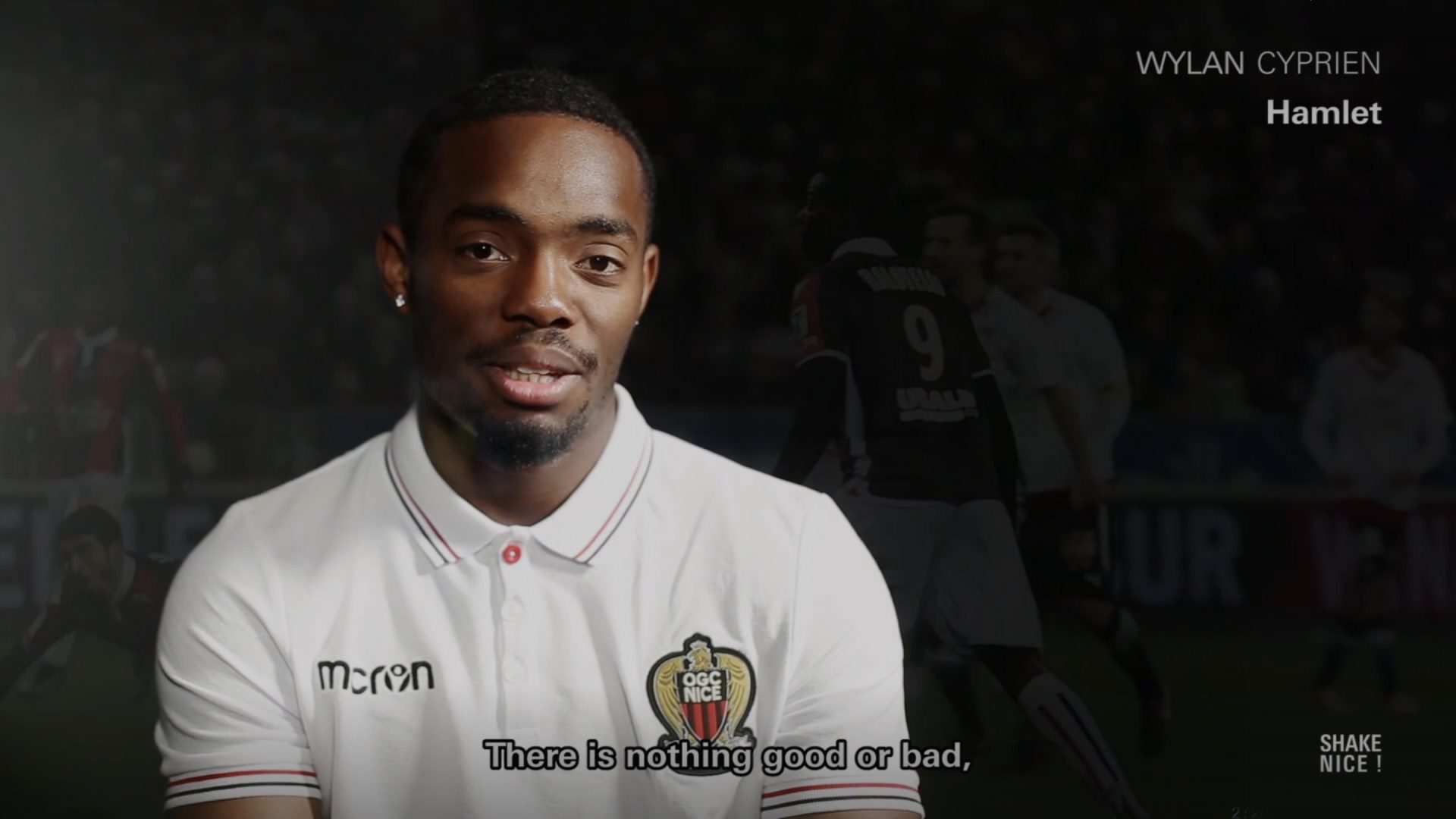
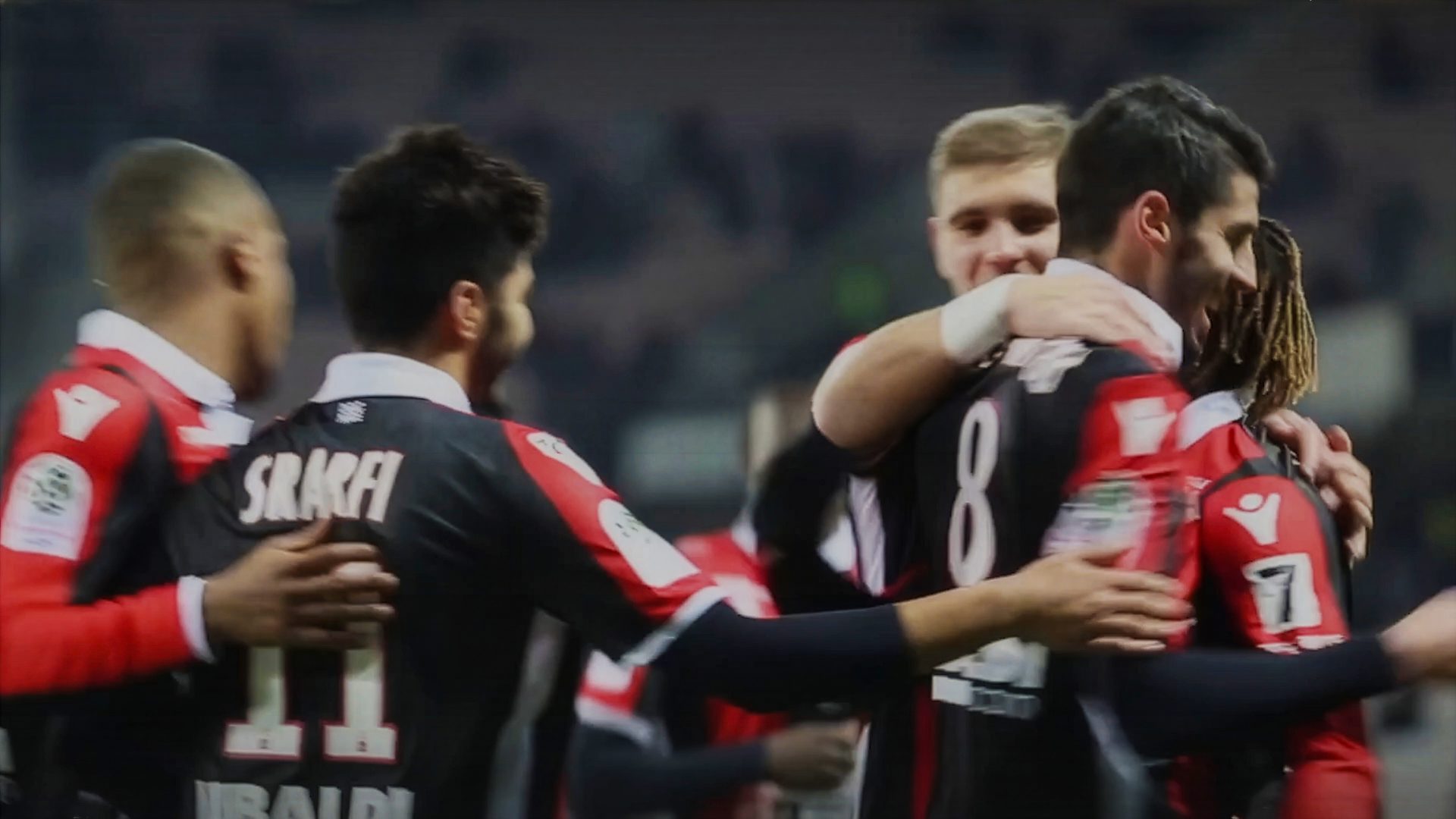
I invited twenty-three players from OGC Nice—including stars like Mario Balotelli and Dante—to face the camera and tackle the greatest author in the world. Initially, I thought I might only interest a handful of players, but they embraced the challenge with such incredible openness and curiosity. I watched as Mario Balotelli recited a famous tirade from The Tempest in Italian, and Dante delved into the profound philosophy of the Bard’s verses.
Working with my friend, the photographer Gaëlle Simon, we filmed these brilliant young sportsmen in close-up. Seeing them speak texts like Hamlet’s « What a piece of work is a man… » with such delicate sensitivity and raw emotion still brings tears to my eyes. In those moments, they weren’t just athletes; they were revealers of hidden depths. They proved my greatest conviction: that Shakespeare is not ‘difficult’ or ‘elitist.’ His works exude an exceptional humanity that speaks directly to the soul.
By bringing the ‘Gym’ players to the TNN, we showed that whether it is a football match or a play, we are all searching for the same thing: a shared passion and a moment of collective emotion. To see these players grow more mature and confident through the power of language was a dream realized. It reminded us all that the most profound and brilliant words in theatrical literature are a universal gift, waiting to be claimed by anyone with the courage to speak them.”