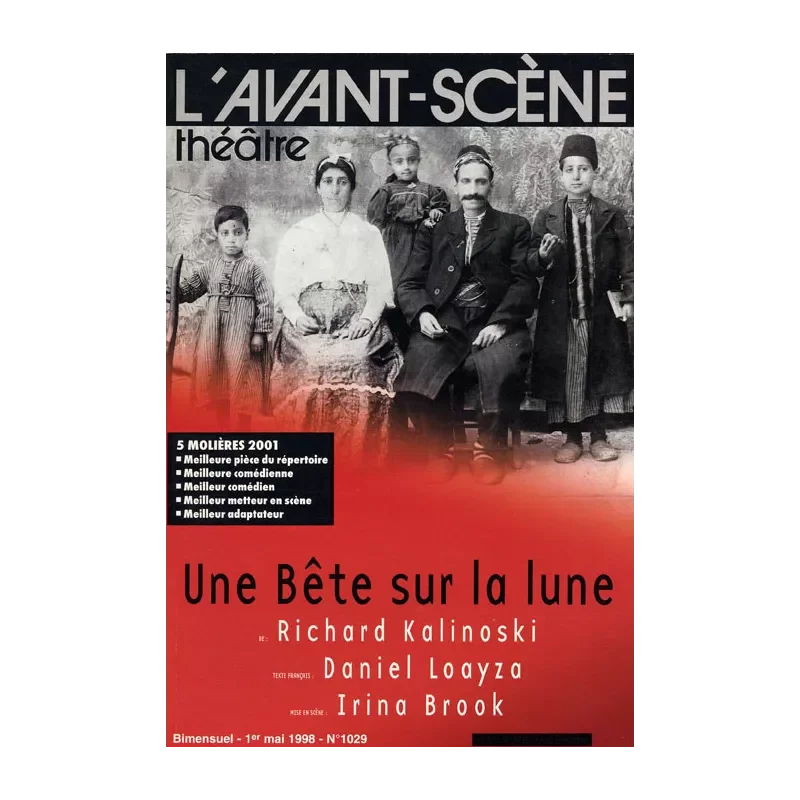
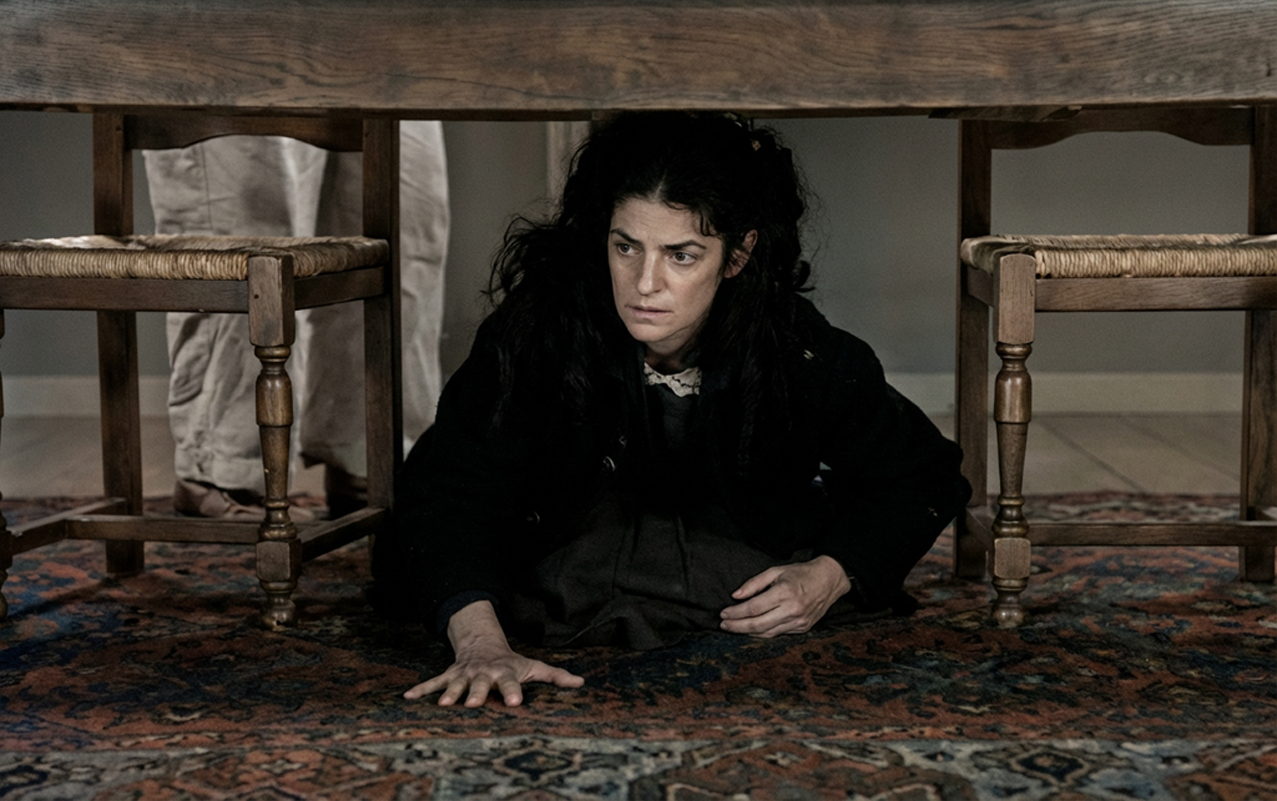
A play by Richard Kalinoski
Battersea Arts Centre, London 1996 — Directorial debut
Vidy -Lausanne Theatre, Lausanne 1997-1998 — won five Molière Awards, including Best Director and Best Play
Théâtre de l’Oeuvre, Paris 2000-2001
Synopsis:
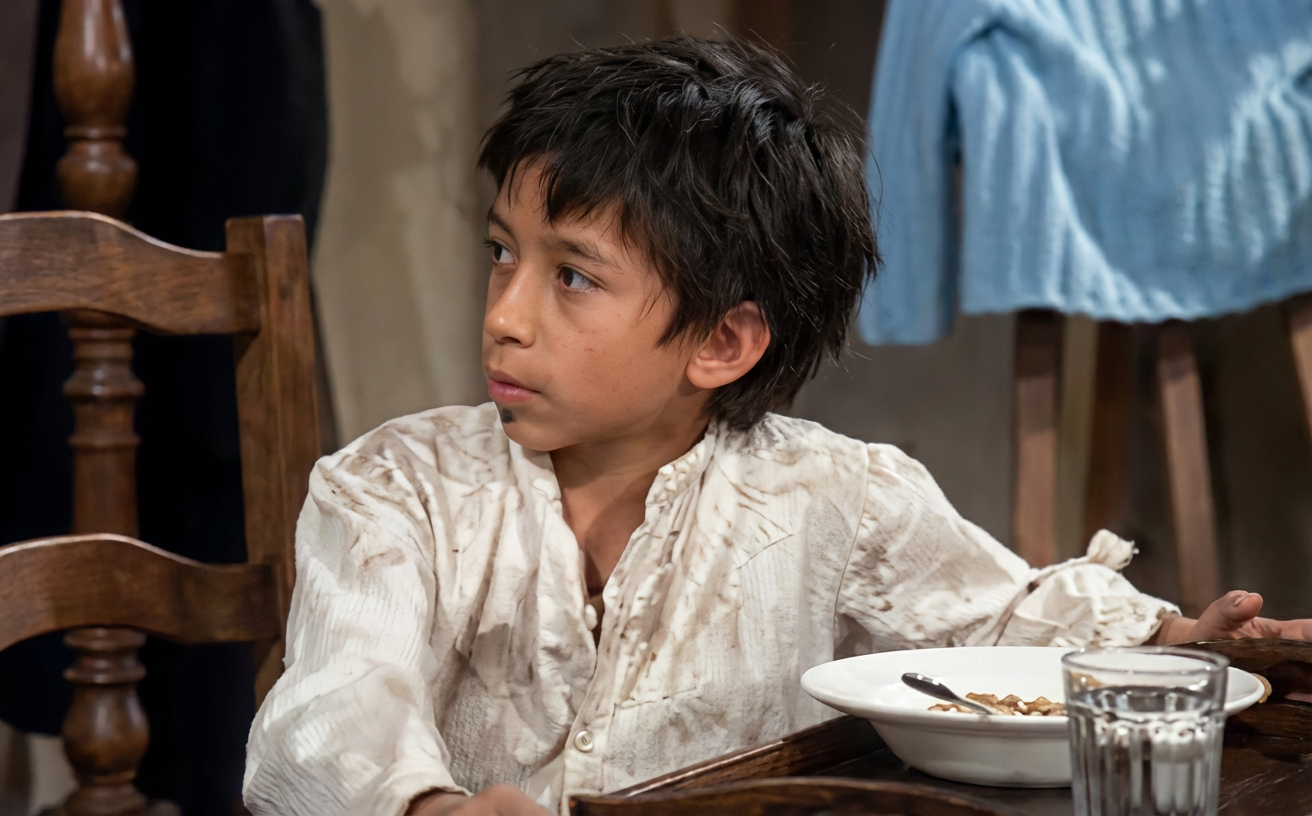
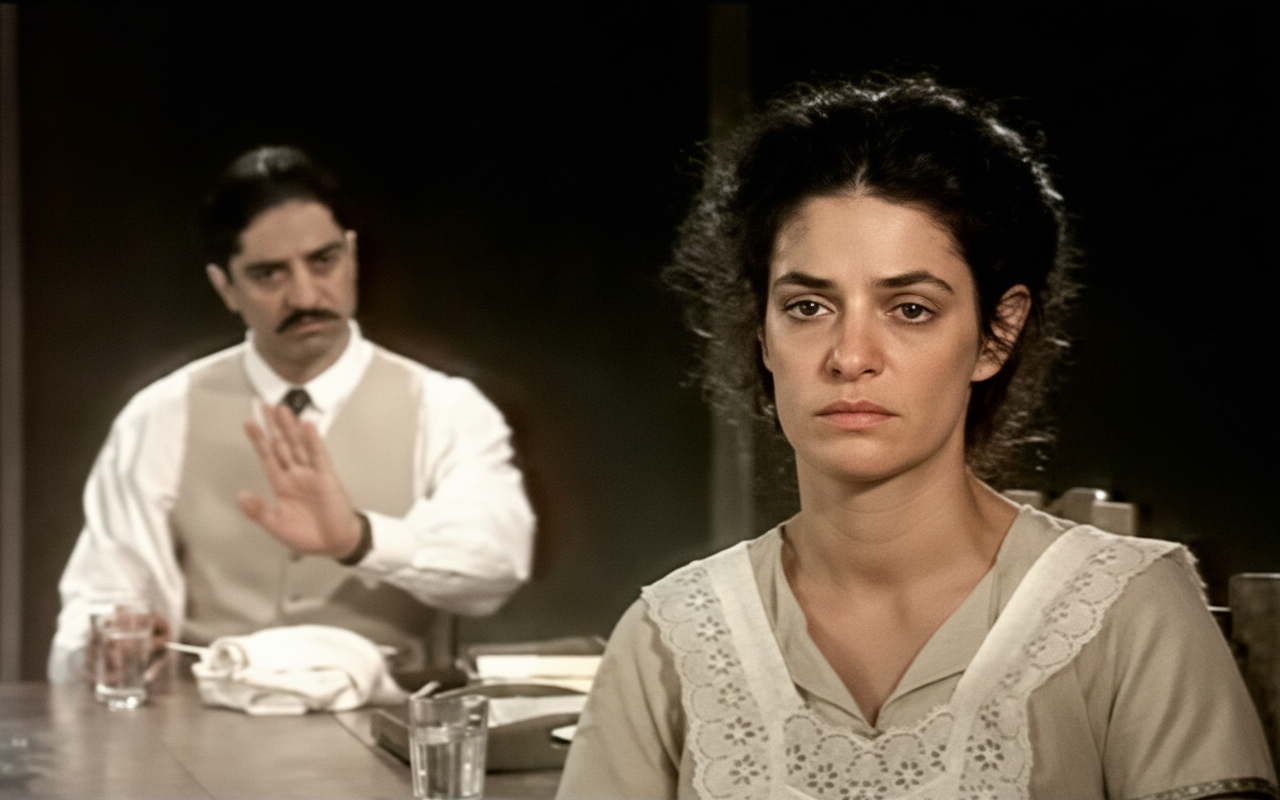
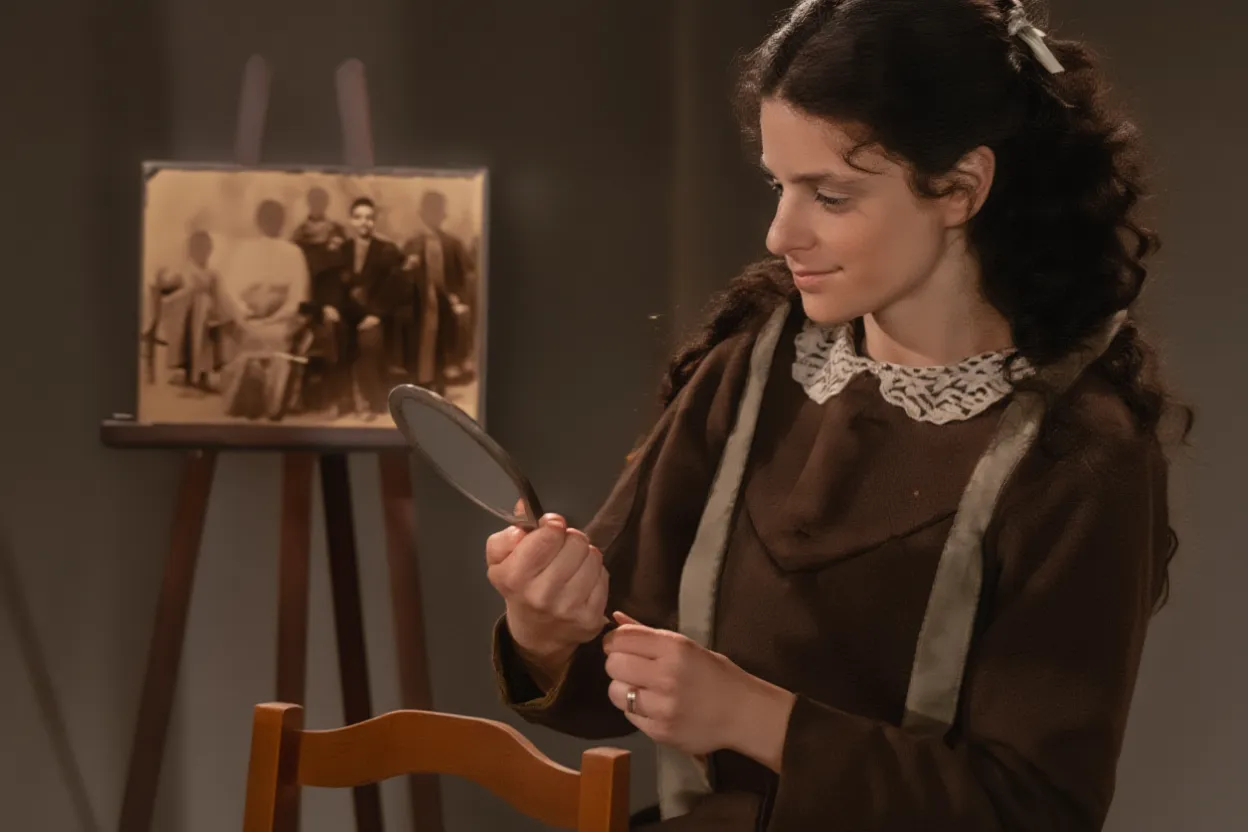
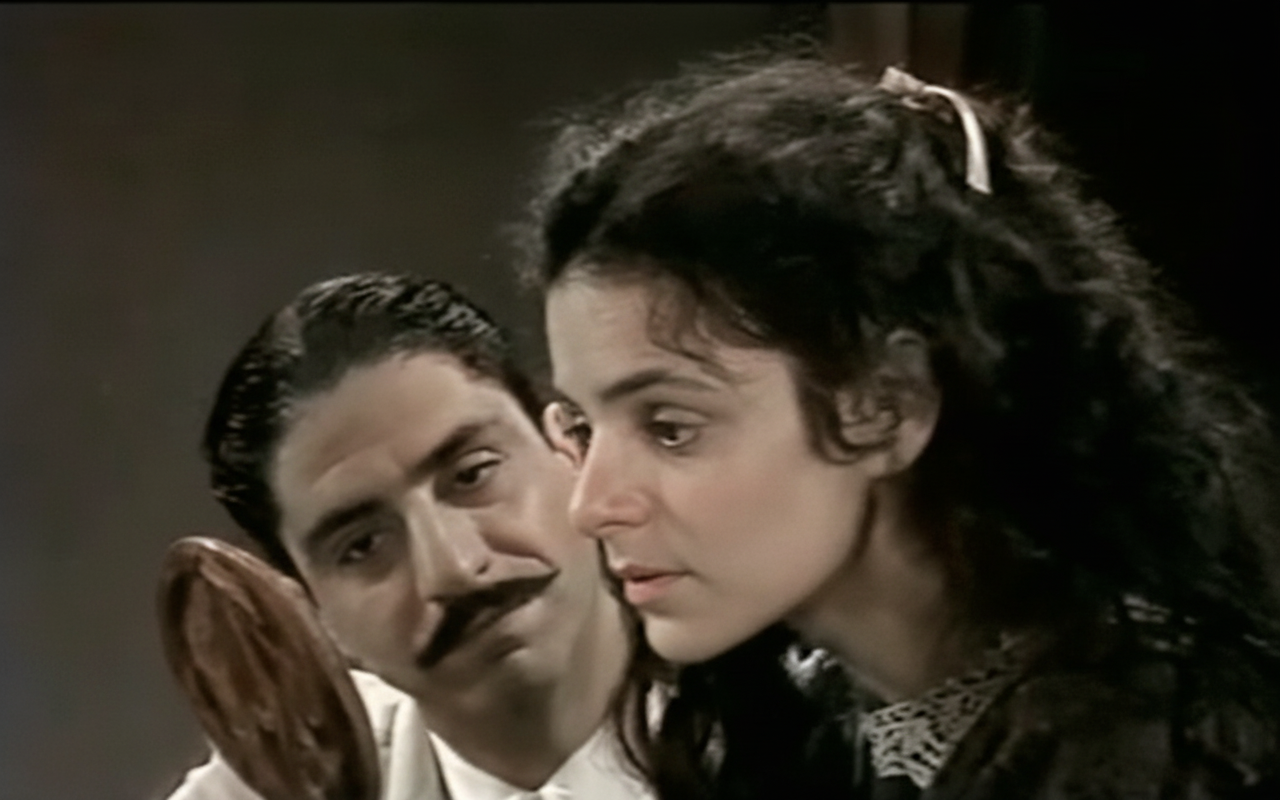
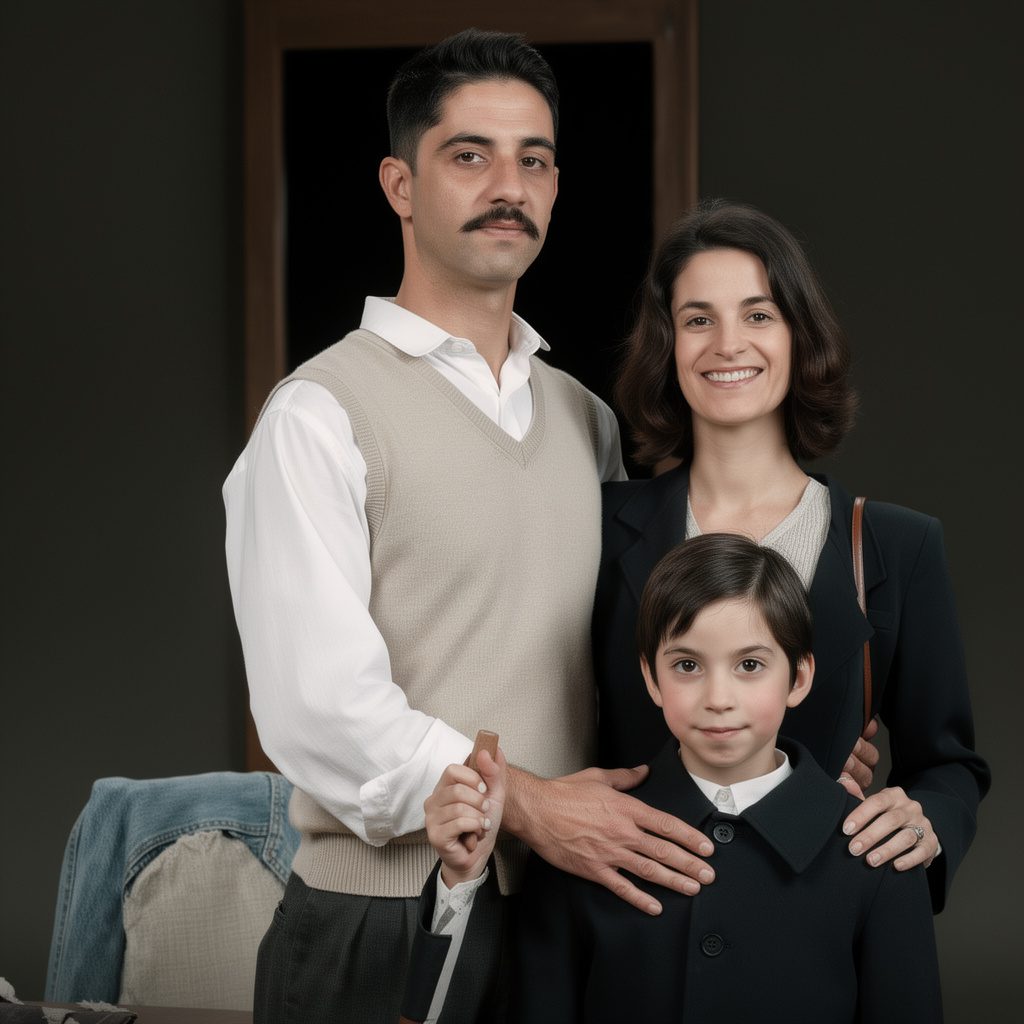
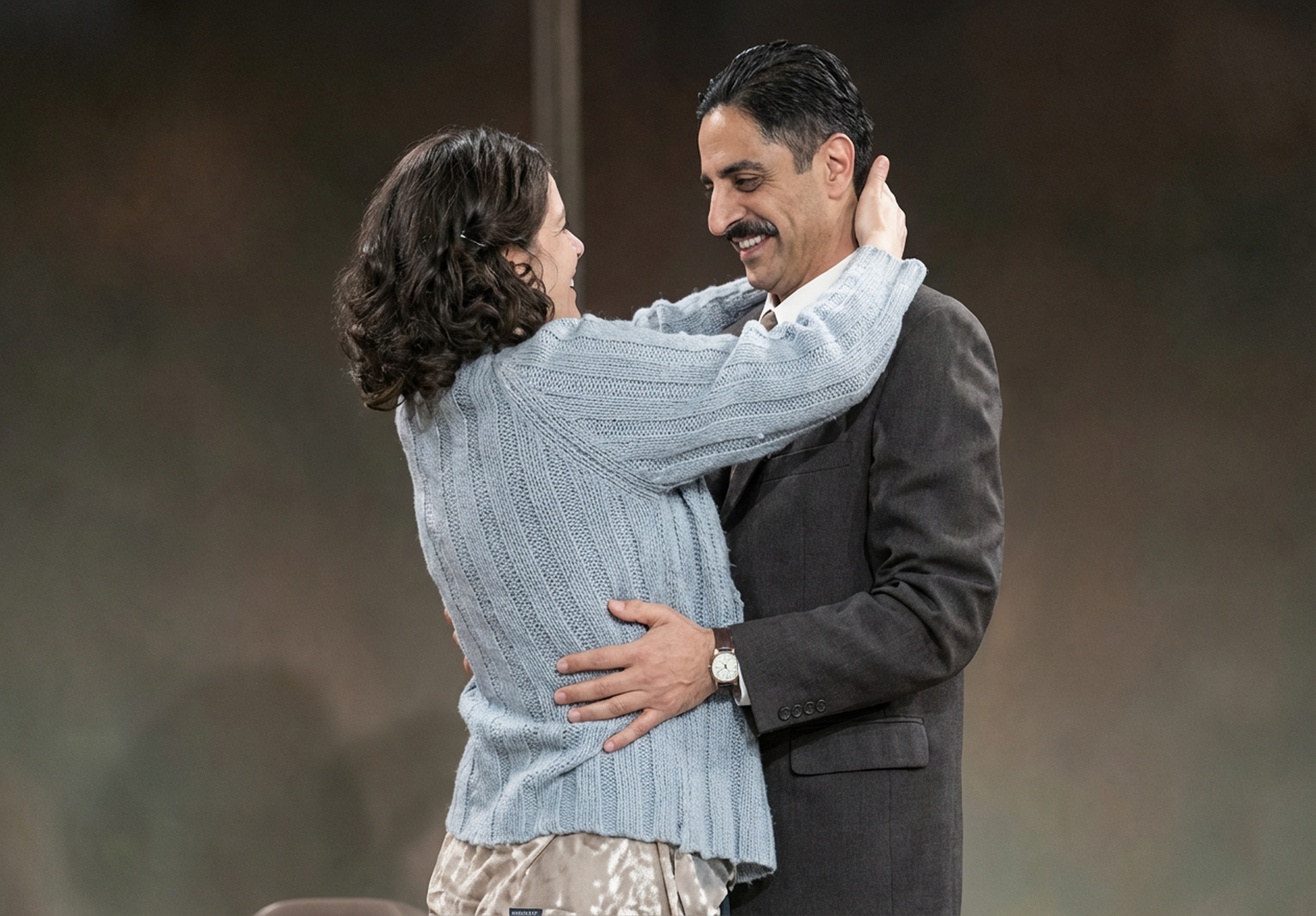
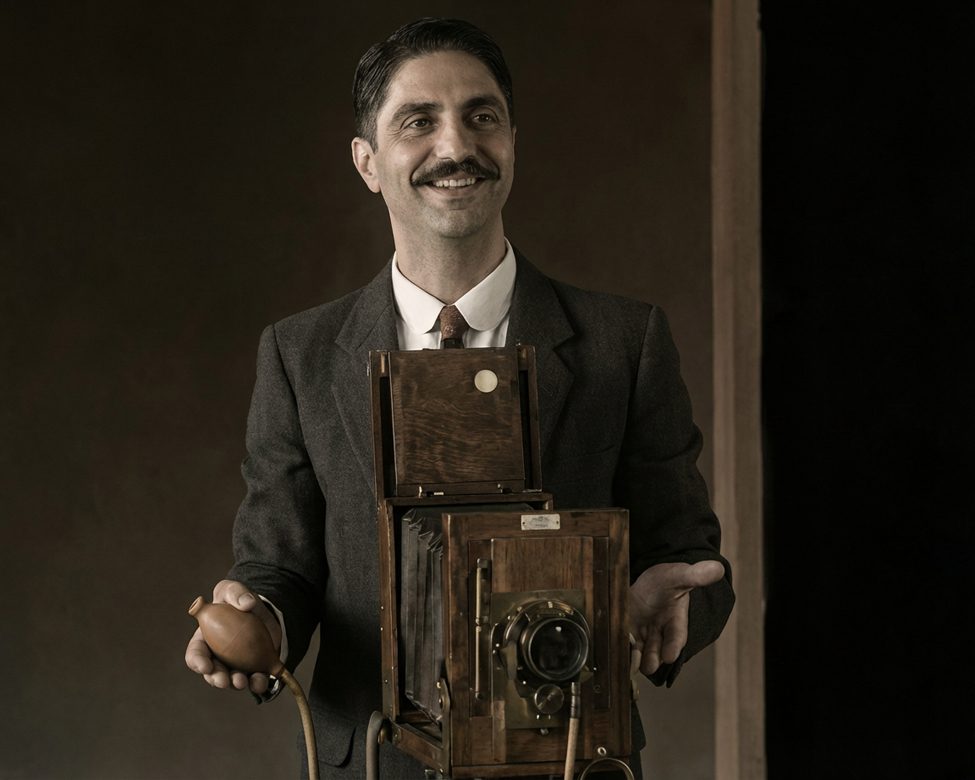
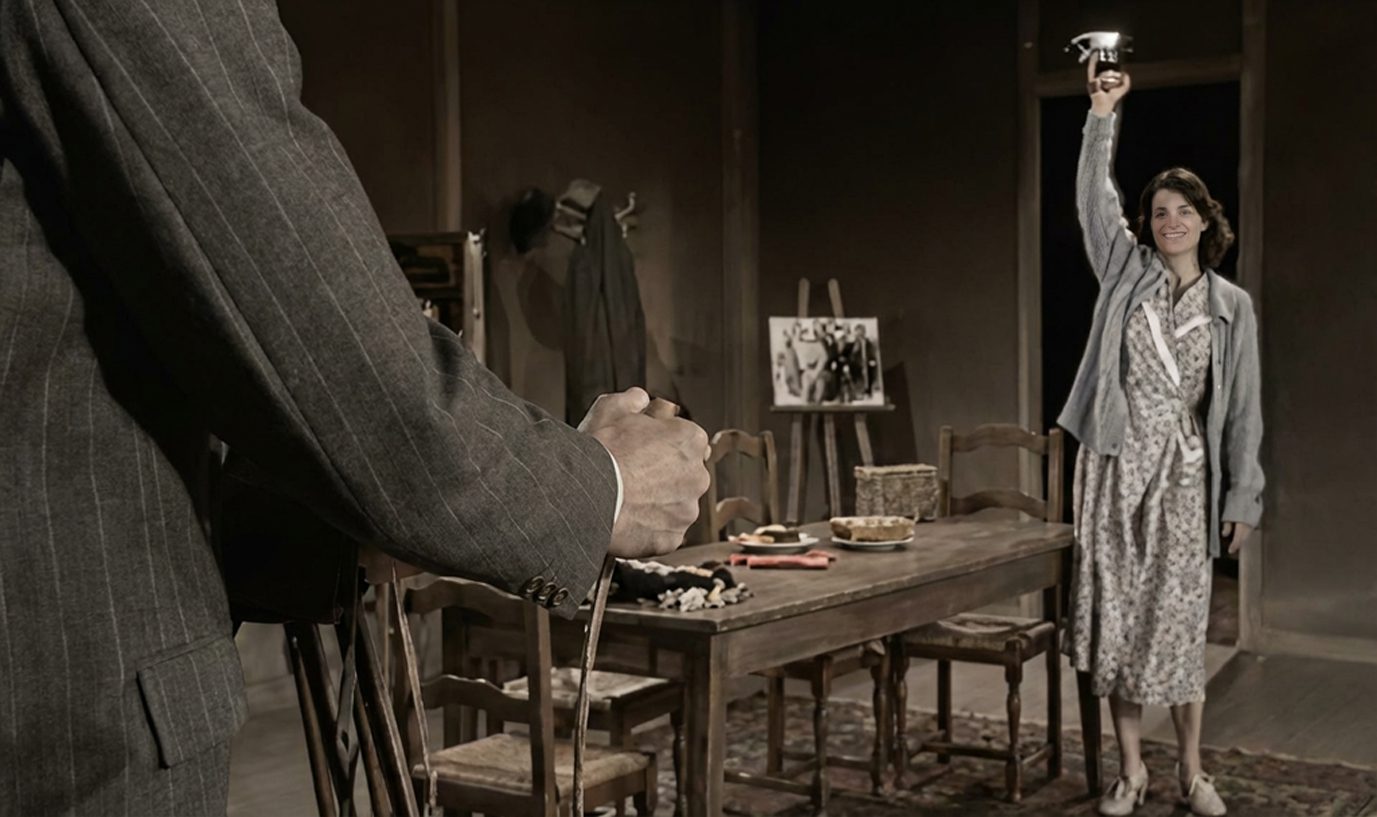
In the aftermath of the Armenian Genocide of 1915, Aram Tomasian, a professional photographer who has built a new life in the United States, sends for a young Armenian orphan from a catalogue to become his wife. Fifteen-year-old Seta arrives, viewing her husband as a saviour who has rescued her from the horrors she has survived.
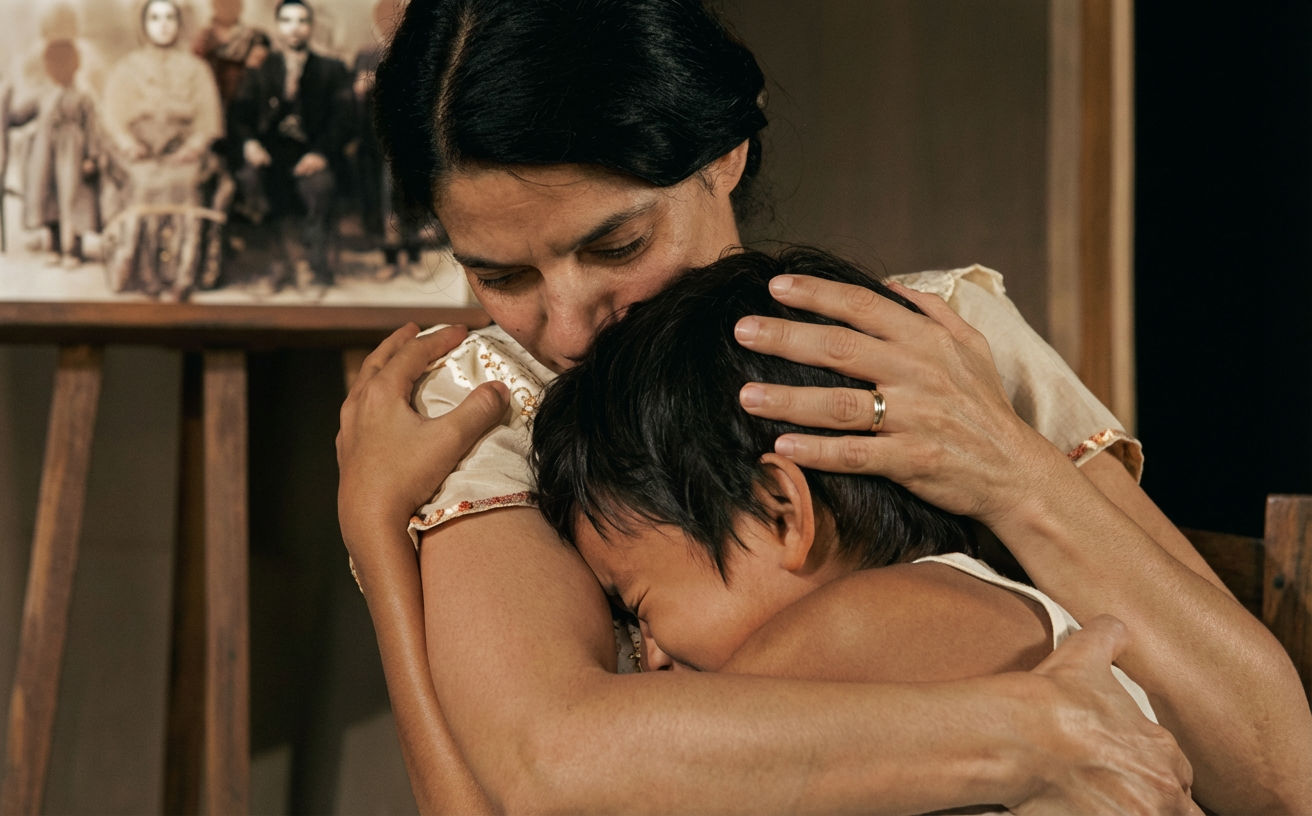
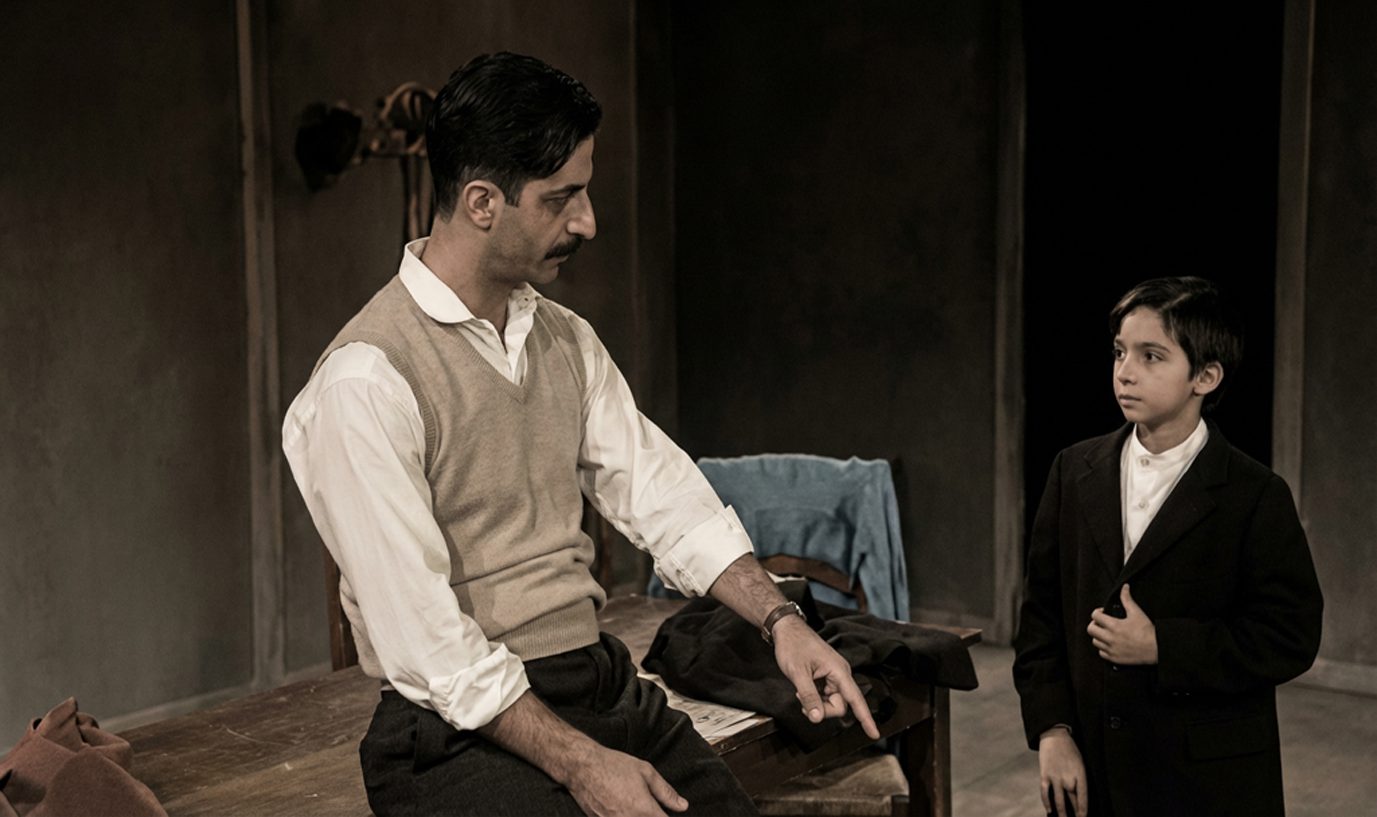
As the couple attempts to build a life together, they struggle with the weight of their shared trauma and the vast differences between them. Aram longs to recreate the family he lost and move forward, whilst Seta carries wounds too fresh to heal. Their relationship becomes a delicate dance between memory and forgetting, between the need to honour the past and the desperate desire to embrace the present.
Through moments of tenderness, humour, and heartbreak, the play explores how two survivors navigate love, loss, and the possibility of hope in the shadow of unspeakable tragedy. It is an intimate portrait of resilience—not a depiction of the genocide itself, but a profound examination of its lasting impact on the human heart.
Irina Brook:
“I first encountered this play at a theatre festival in the United States, and it immediately stood out because of its simplicity. It spoke of human relationships in such a direct way. I was deeply moved by the writing.
Kalinoski’s text was remarkably minimalist, yet extraordinarily precise. What appeared simple on stage was actually very deliberate. My approach was entirely instinctive—there was no desired effect, just following the characters’ emotional journey. It was a revelation for me, and I felt immediately comfortable with the work.
What drew me to this play was how powerfully it touched on the human condition. It wasn’t the genocide itself that we discovered on stage, but rather its aftermath on individuals. The piece functioned like a Greek tragedy—we didn’t witness the crime, but observed its damage. The historical facts remained offstage whilst the internal autopsy unfolded before the audience.
This production marked a real transformation for me as an artist. I wanted to express what I felt about life and share it with others. The human element was paramount. We did everything possible to showcase the actors, though never at the expense of aesthetics.
For me, theatre’s true power lies in creating a vivid, living connection on both sides of the stage. When something exceptional happens during a performance, it’s far more intense than anything cinema can offer. In this production, the performances soared with grace, bringing the beauty of hope to tragedy.”