Dedans-Dehors Festival, Brétigny-sur-Orge, 2007 (original outdoor production, debut)
Villeneuve-lès-Avignon Festival, 2007
Théâtre des Deux-Rives, Rouen, November 2007
Théâtre des Bouffes du Nord, Paris, December 2007
Shakespeare Festival im Globe Neuss, Germany, 2008
Théâtre des Bouffes du Nord, Paris, 2009
Théâtre de Paris (Salle Réjane), 2009
La MaMa ETC, New York, November 2010
Théâtre de Paris, 2011
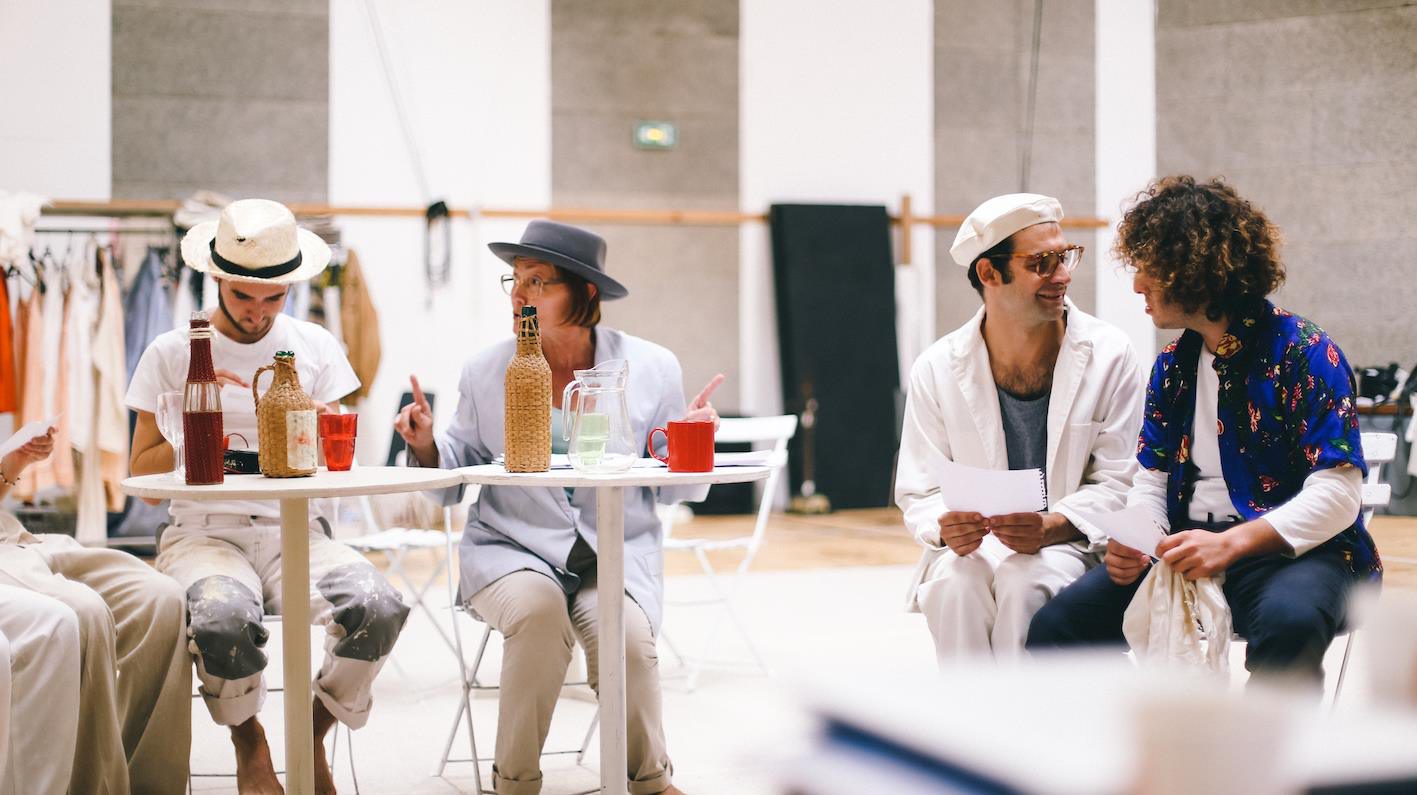
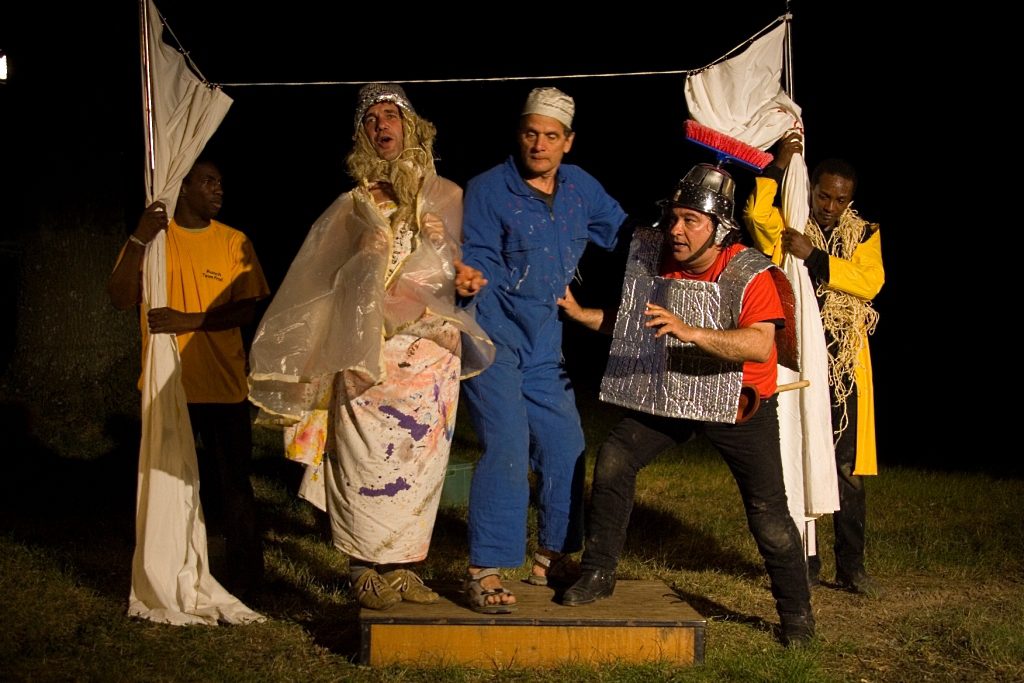
CONCEPT: The fictional “Compagnie Internationale d’Athènes” (CIA) was scheduled to present A Midsummer Night’s Dream, but when the actors, sets, and costumes failed to arrive, six technicians performed the play with whatever materials they could find. Created as a stripped-down, highly mobile production designed to be performed in non-traditional spaces—fields, village squares, community halls—bringing theatre to audiences far removed from cultural offerings.
This project was born from a meeting between myself and the team at the Festival Dedans-Dehors in Brétigny-sur-Orge, and from a shared desire to bring theatre to places where it is unexpected, to audiences sometimes very far removed from cultural offerings.
A Midsummer Night’s Dream, in my father Peter Brook’s production in the 1970s in England, has haunted my imagination since childhood. Few people now have seen that founding production, and Shakespeare’s popular play suits outdoor performance perfectly. I wanted to take a text from the repertoire and treat it in a very free way, with a minimum of means.
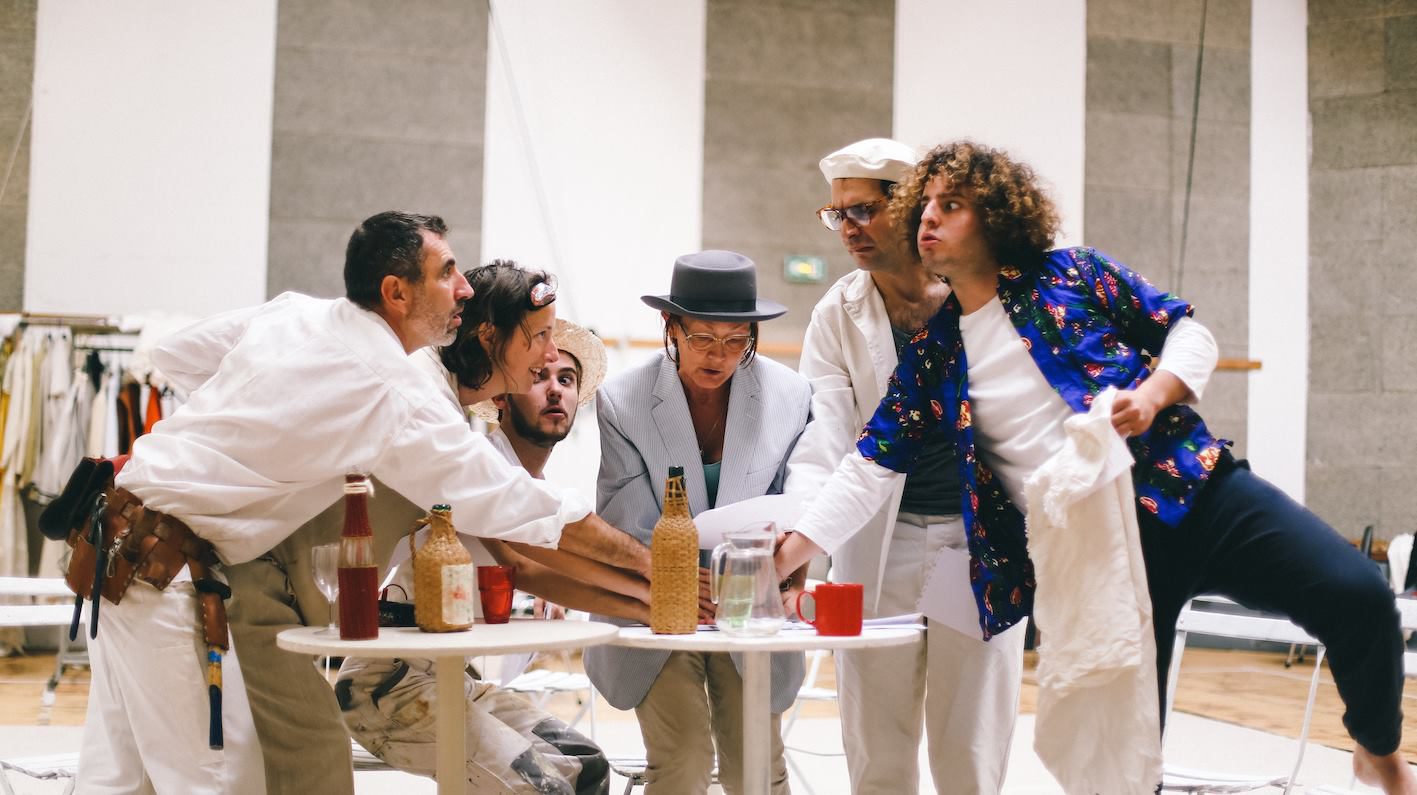
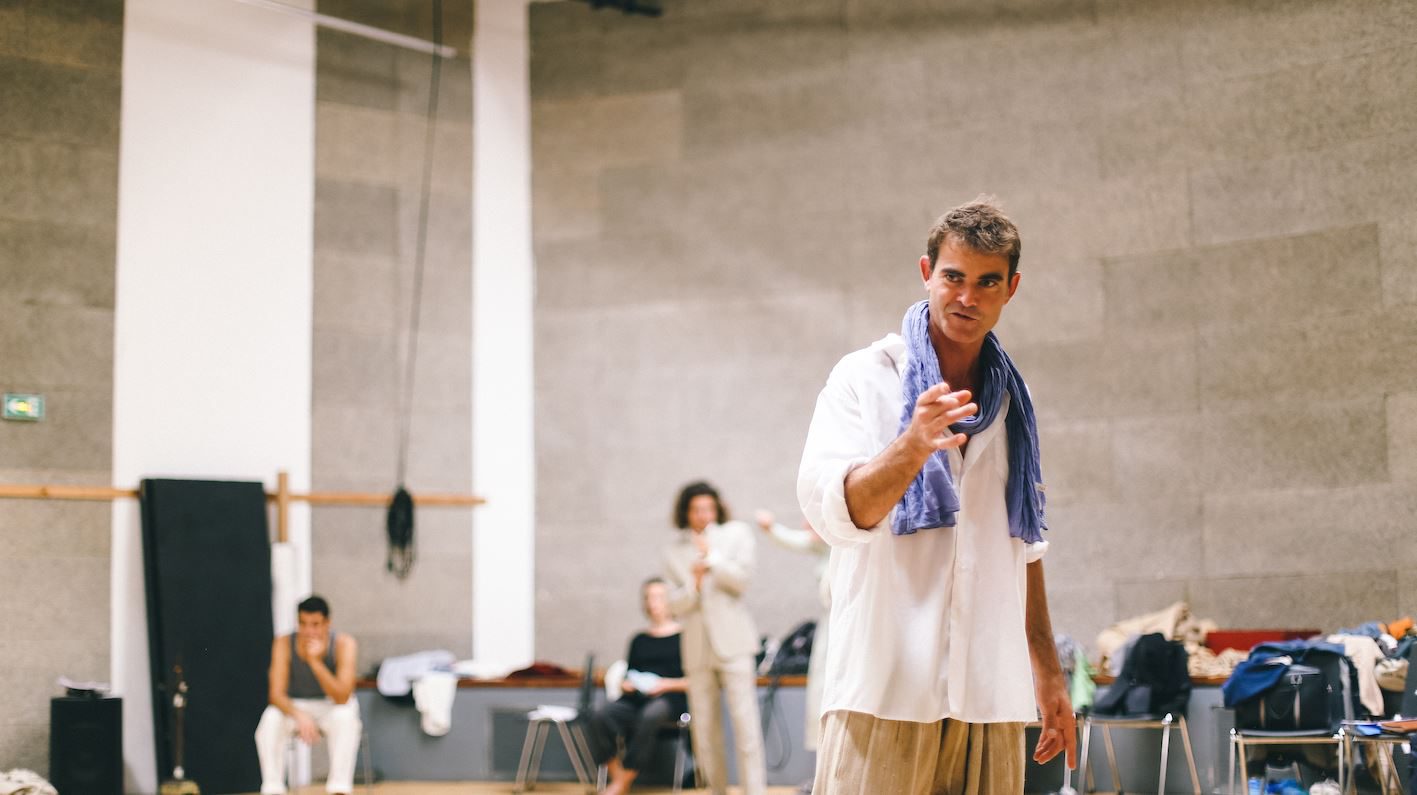
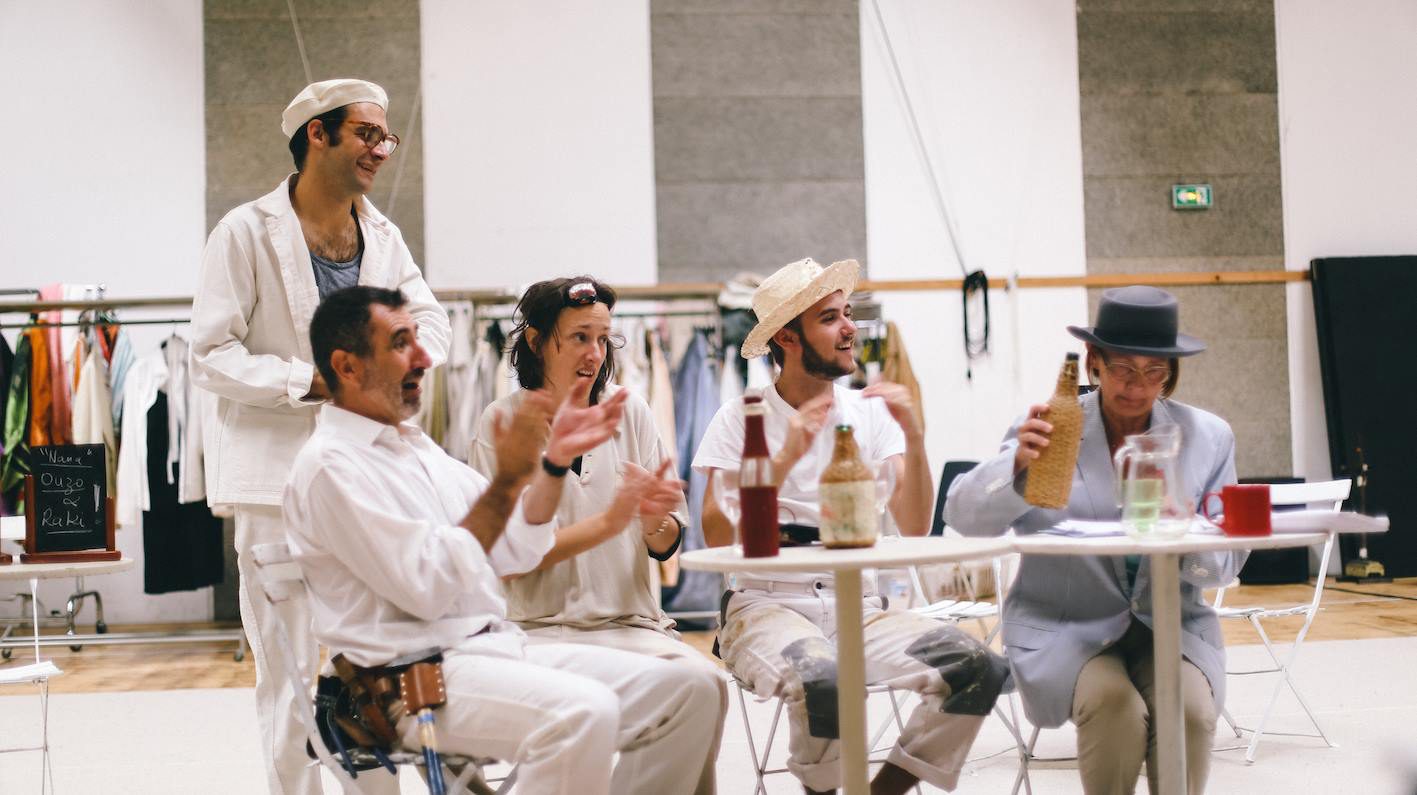
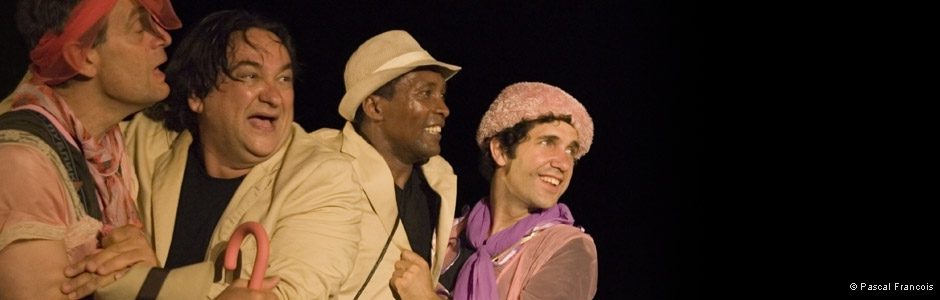
At the time, I was living in a small suburban village in the Essonne, in an old mill that was constantly under construction with workers and craftspeople of all kinds – plumbers, electricians, carpenters. I thought it would be appropriate for these trades to play the artisans and amateur actors in The Dream. So I created a simple, raw, stripped-down premise: six actors – all men, as in Shakespeare’s time – who play all the roles in the piece. They are the artisans, the actors in a theatre within the theatre.
After ten years of theatre under the spotlight of Parisian society, I experienced through this production, which requires few resources, a sort of rebirth and rediscovery of the scenic arts. Theatre remains a pleasure in the experience of a shared adventure that you share not only with fellow actors and technicians but also with the audience. Having one’s own company, feeling autonomous, and setting off together with the children into the countryside for a picnic – this is the reason for loving theatre, outside of all glory.
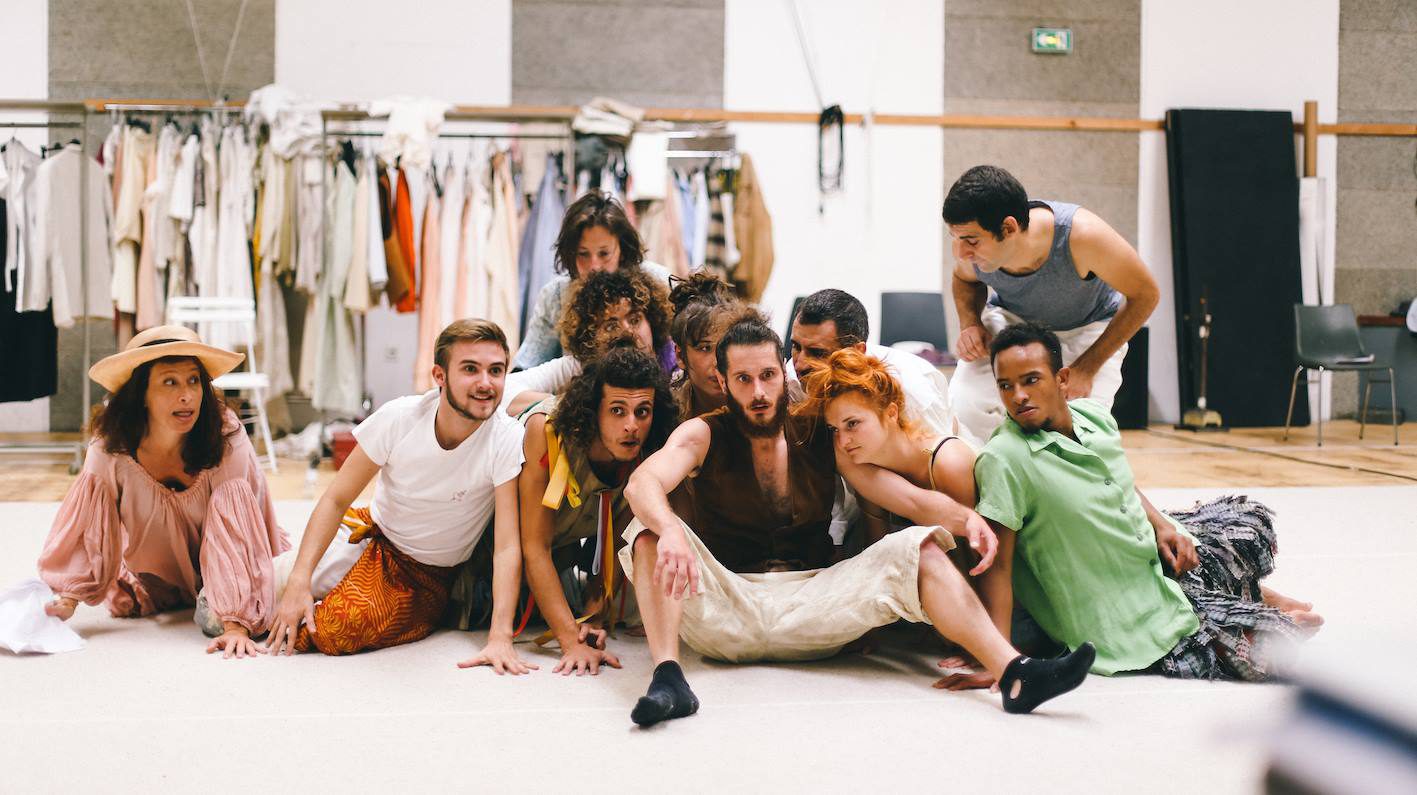
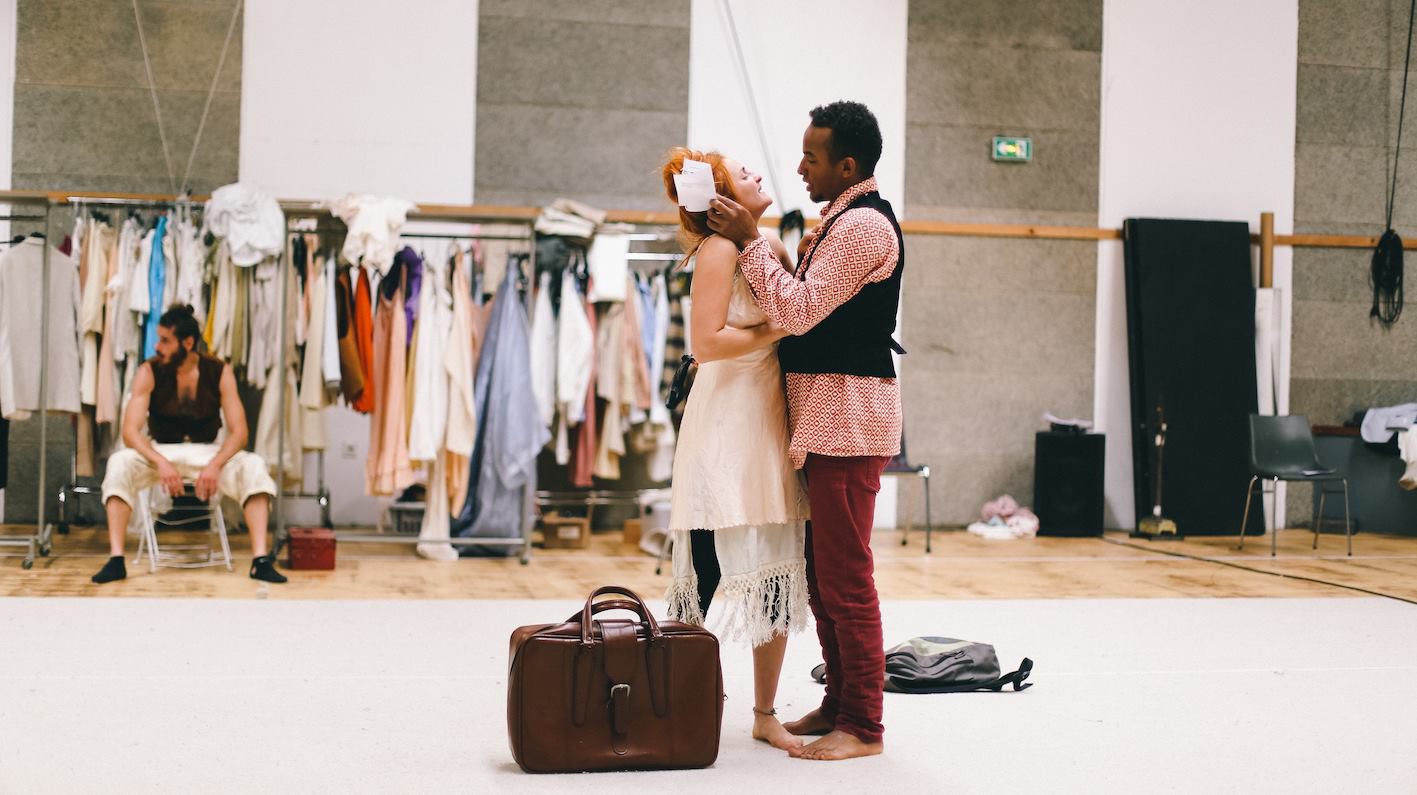
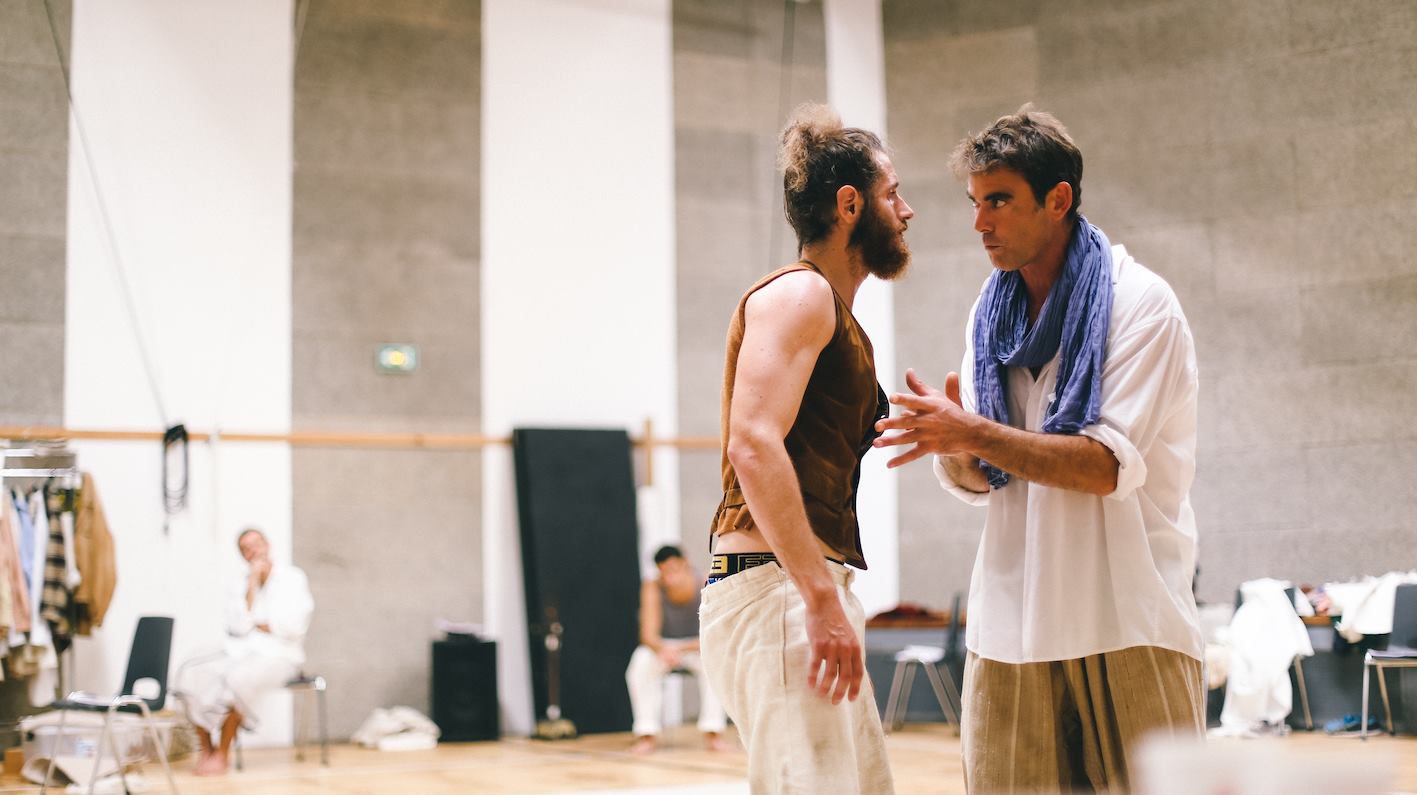
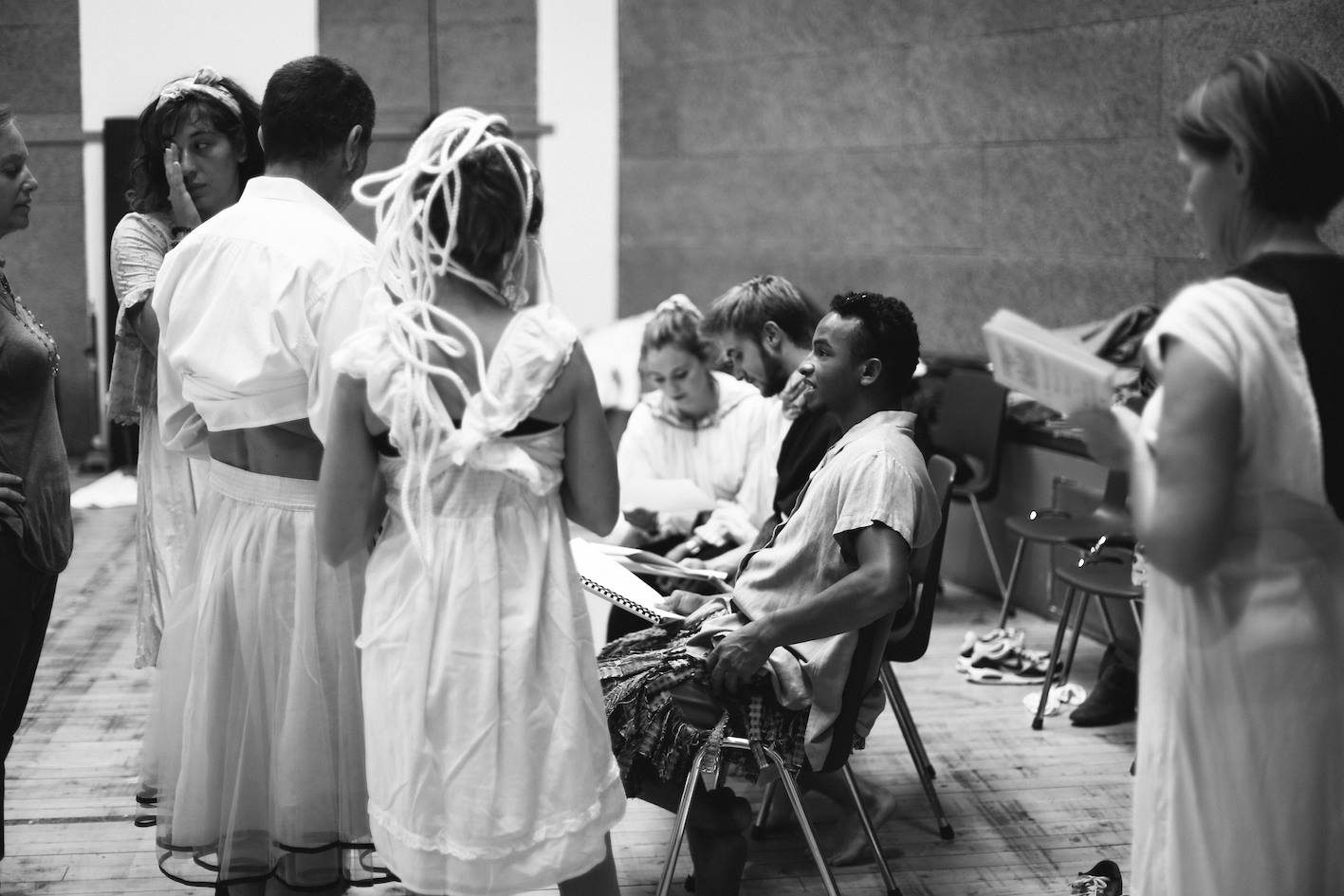
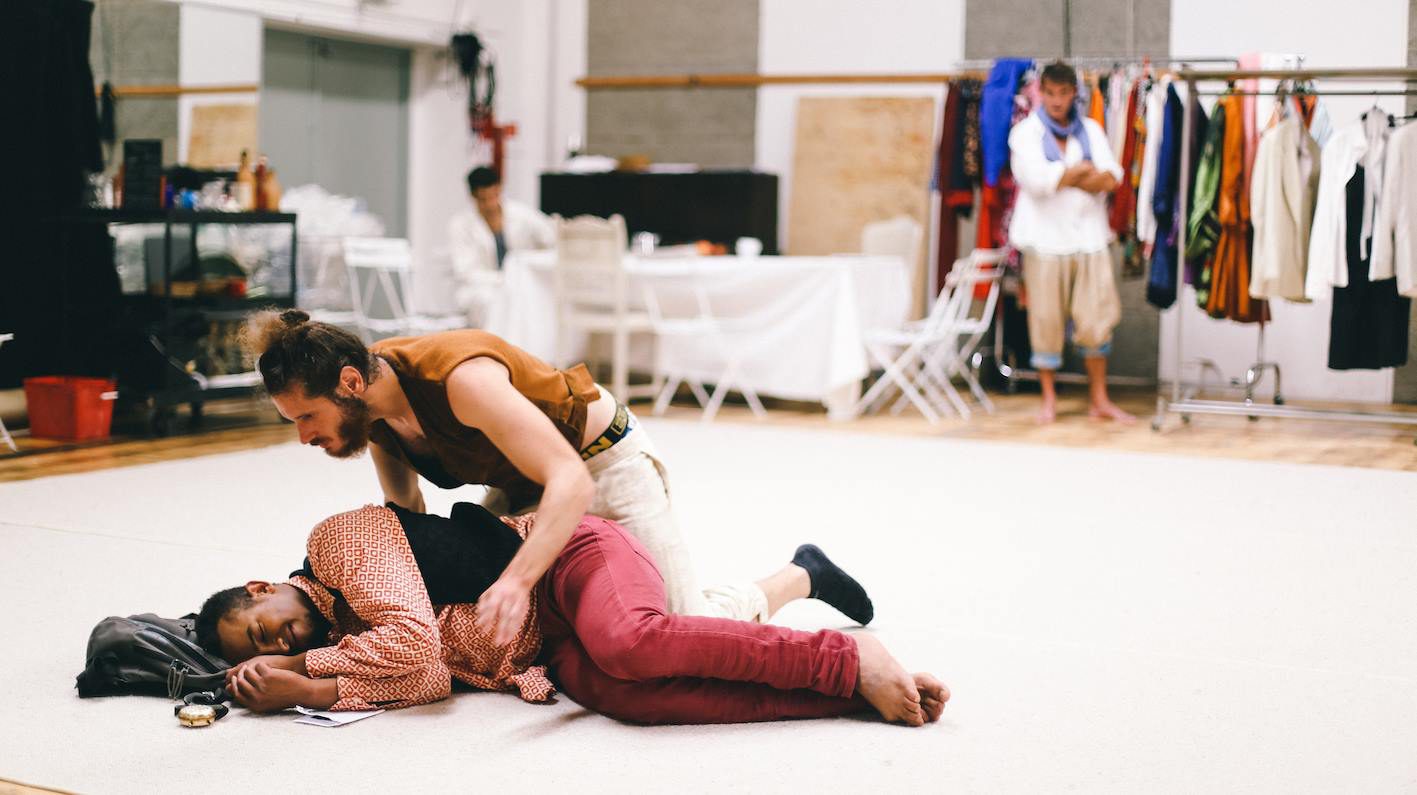
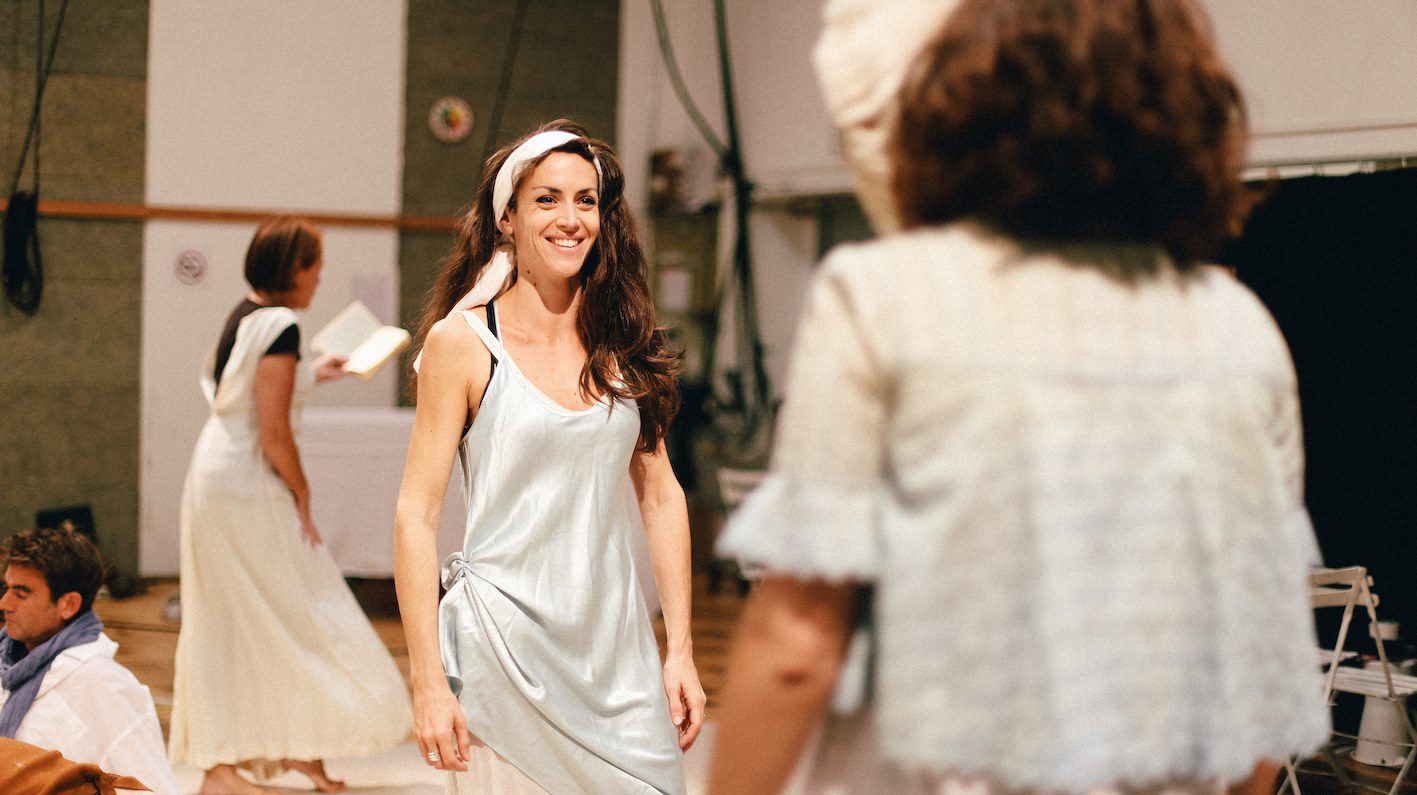
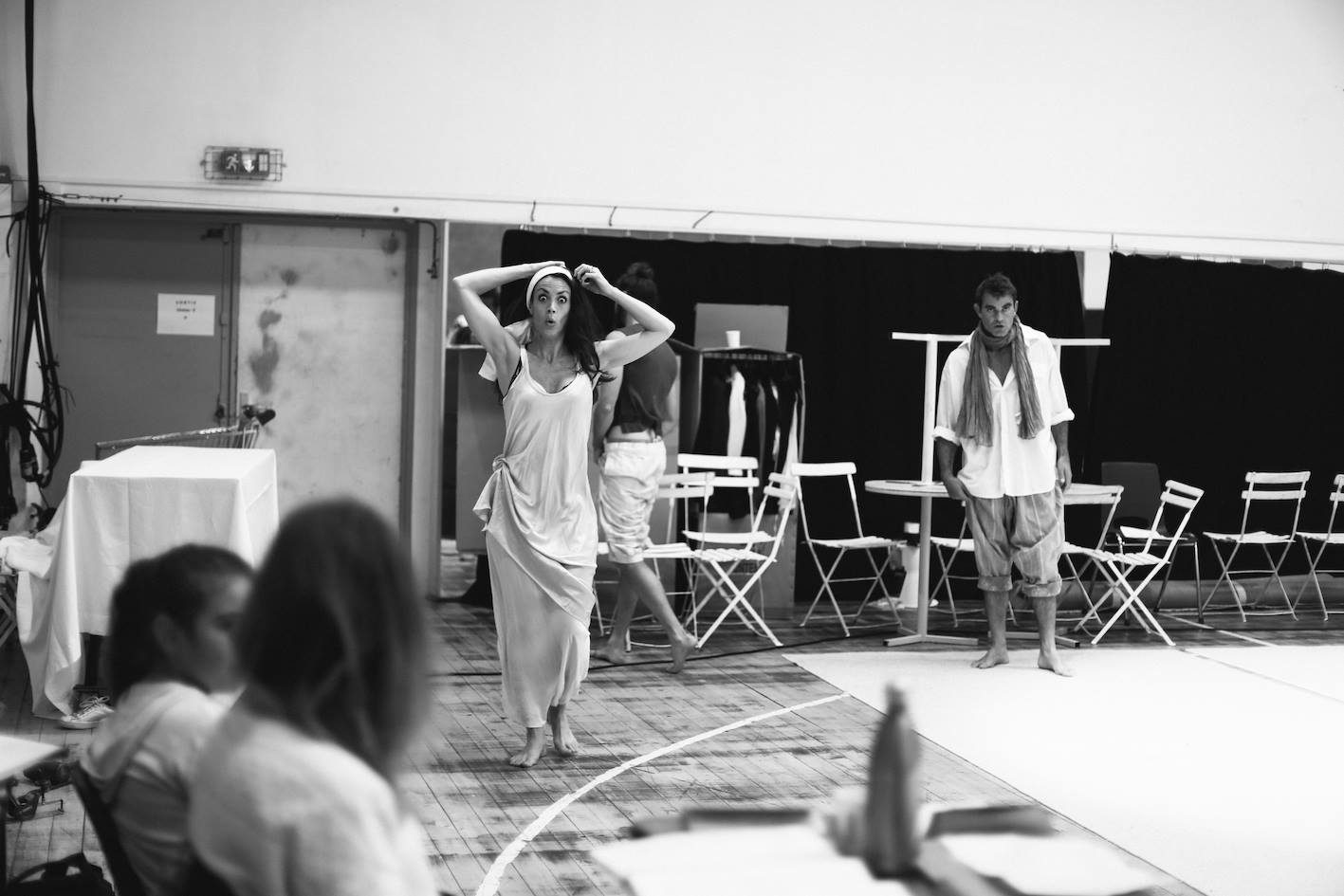
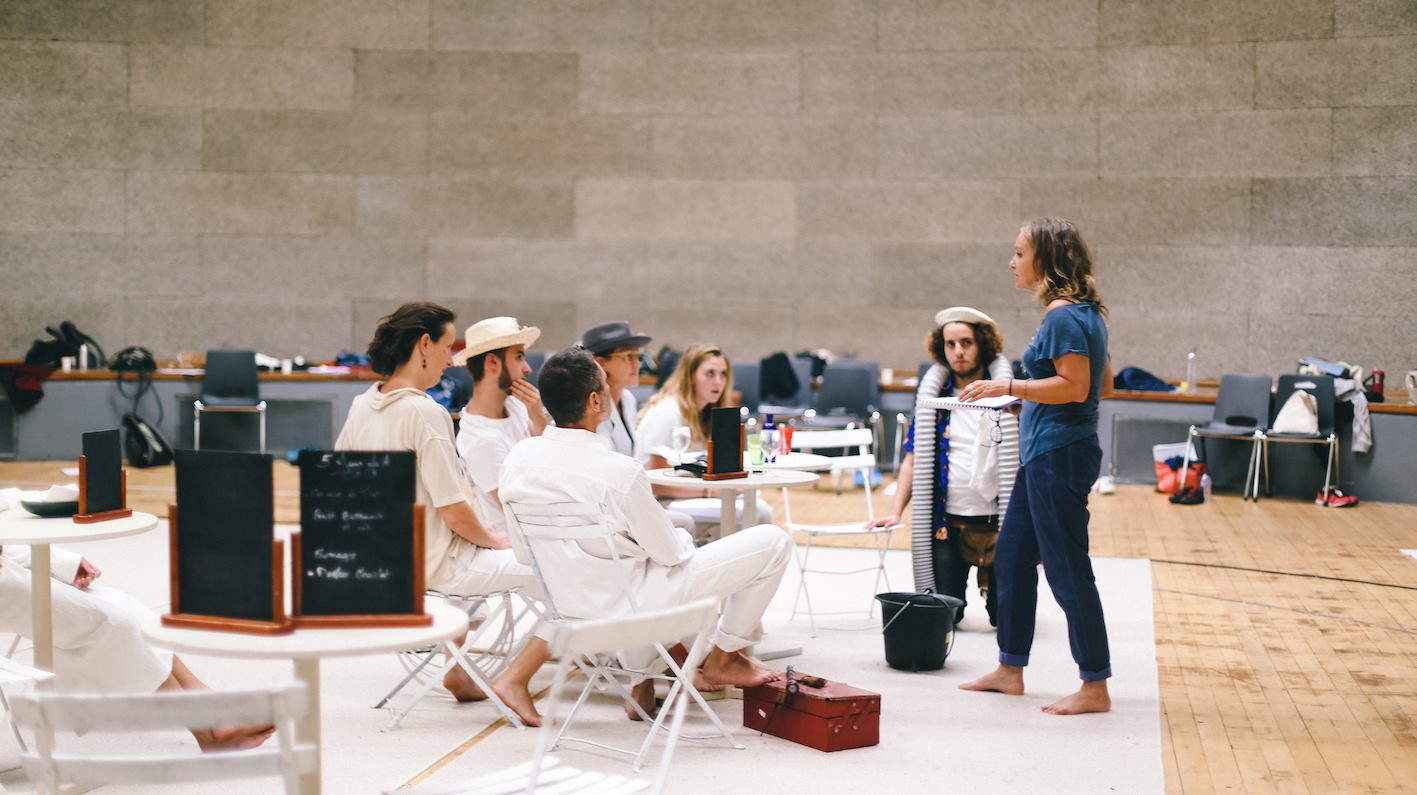
I worked from improvisations on the stage, relying on the complicity and trust I share with loyal actors. Objects and clothes of all kinds, collected in villages and gathered in a caravan transformed into a mobile attic, served as the starting point for the troupe’s inspiration. This light form can be installed in very varied places – outdoors, in a field, on a village square, in a forest, in a village hall, or an Italian-style theatre. The very mobile and light setup adapts to different situations, sometimes even allowing the audience to move about.
With this creation, I wanted to rediscover the joyful lightness and festive spirit of travelling shows. I wanted to experiment with a different way of summoning the public, and to recapture the sense of celebration that accompanied the performances of travelling players, whether inside or outside.
For Anglo-Saxons, The Dream remains ‘The Play’, the magnificent and accessible work of the repertoire. From the age of five, it belongs to everyone’s subconscious and culture. Multiple levels progress simultaneously. Oberon and Titania, the Queen of the Fairies, respond to a mystical and fairy-tale dimension that lies dormant in everyone. On the other hand, the presence of the artisans brings a comic, vulgar dimension, close to the earth, deeply sympathetic. And the lovers evolve between the two axes, the high and the low. Everyone can find their place in it.
A Midsummer Night’s Dream is a play about theatre itself: the artisans attempt the impossible with incredible clumsiness, but the production is not bad when it is given with simplicity. The Dream is first and foremost a dream lived through words and imagination. Oberon looks at the audience and says “I am invisible”: he becomes invisible. That’s one of the keys to theatre that gives me goosebumps.
With the means at hand – a bric-à-brac of bin bags and disparate objects – the six men slip into the skin of all the characters. This “freestyle” version, particularly funny and performed at breakneck speed, leaves no one indifferent.