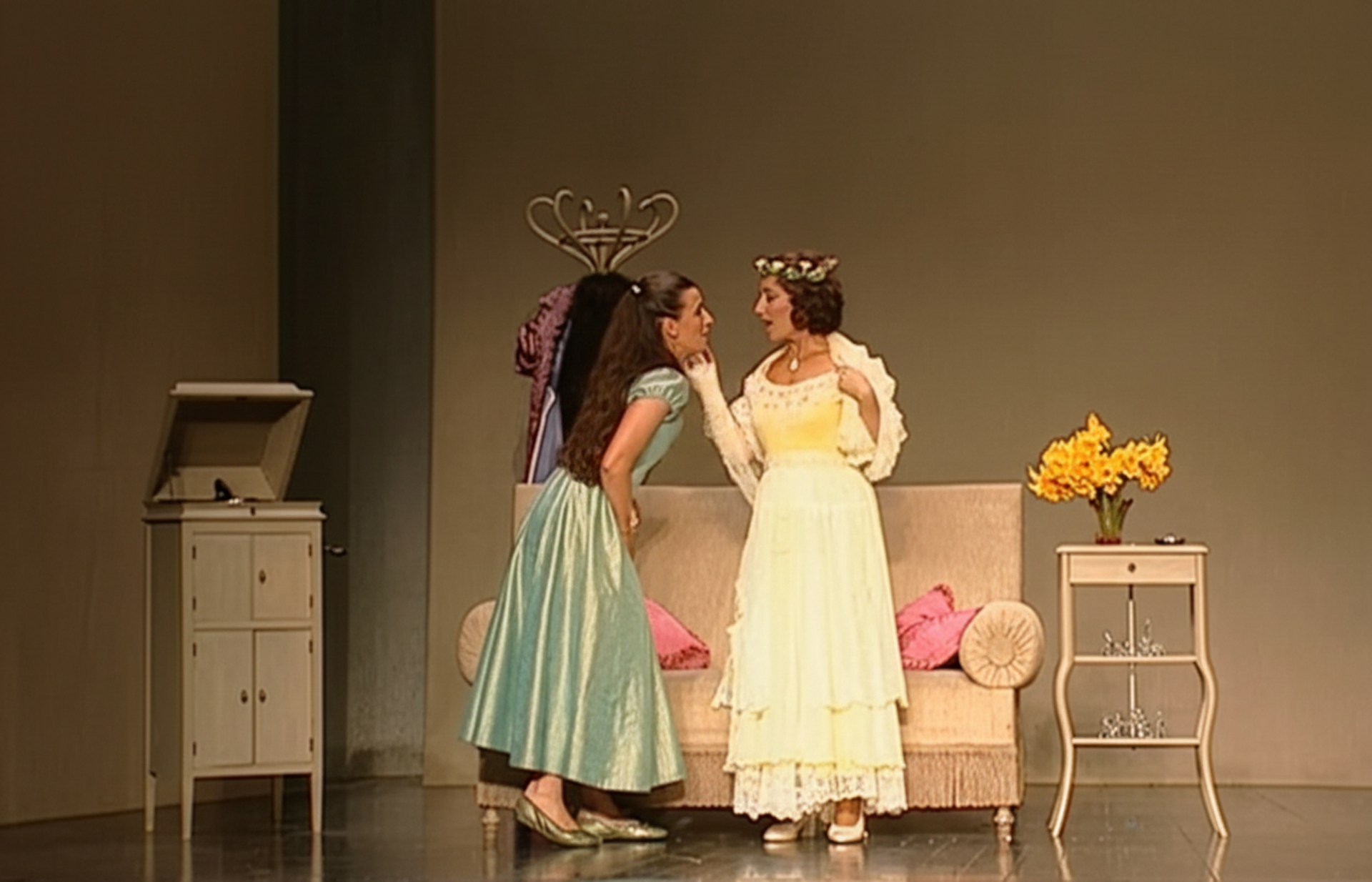
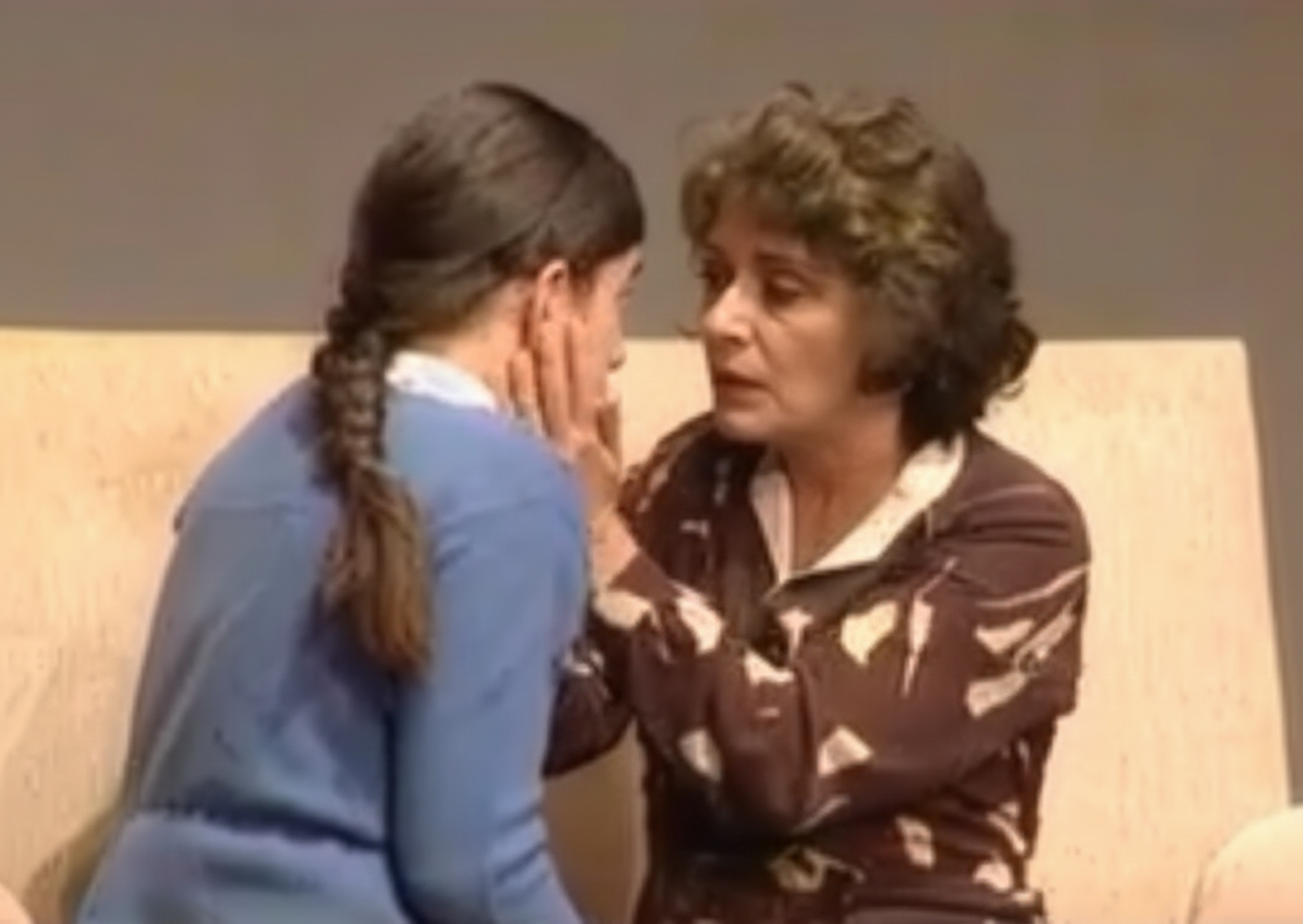
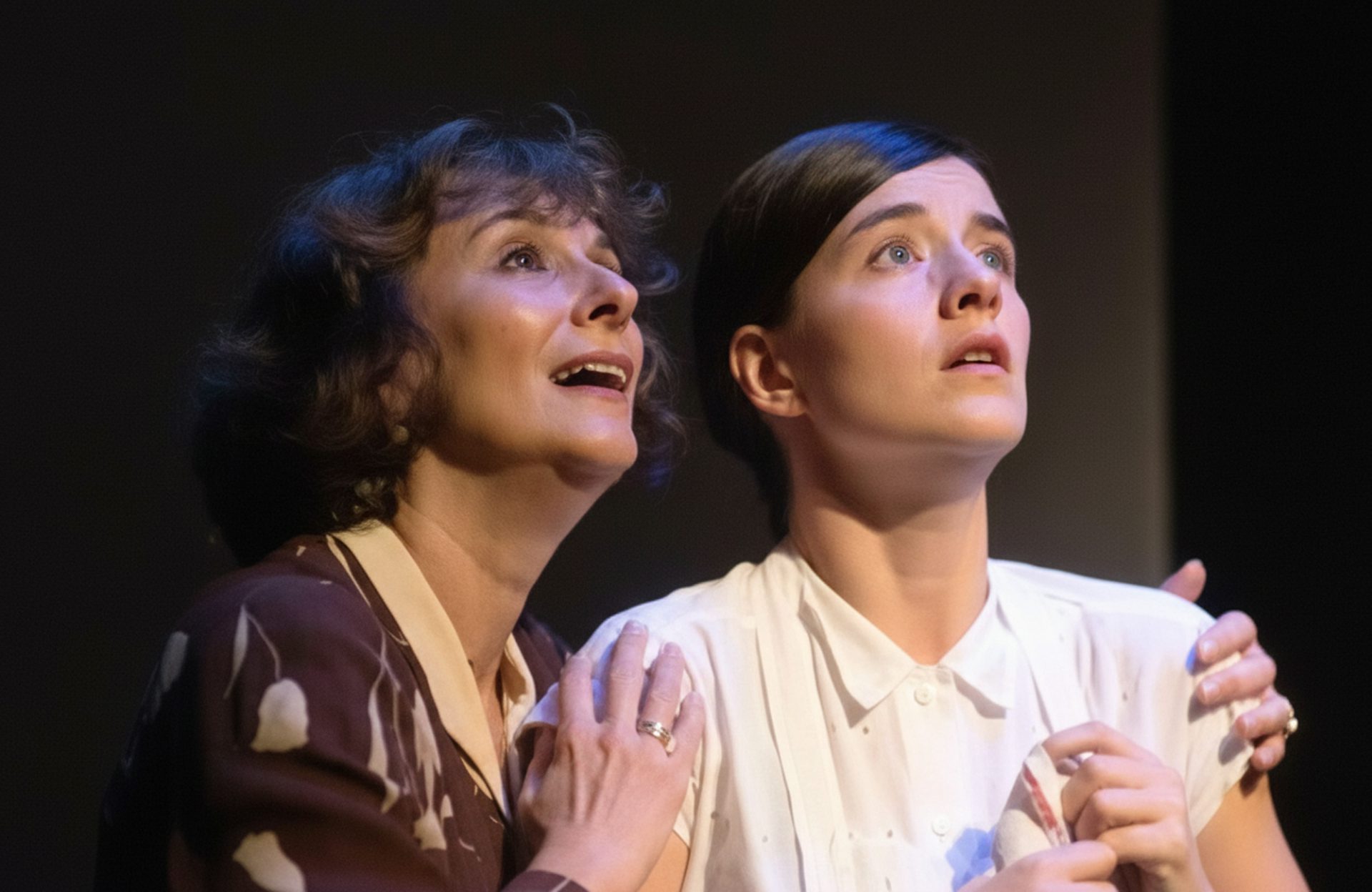
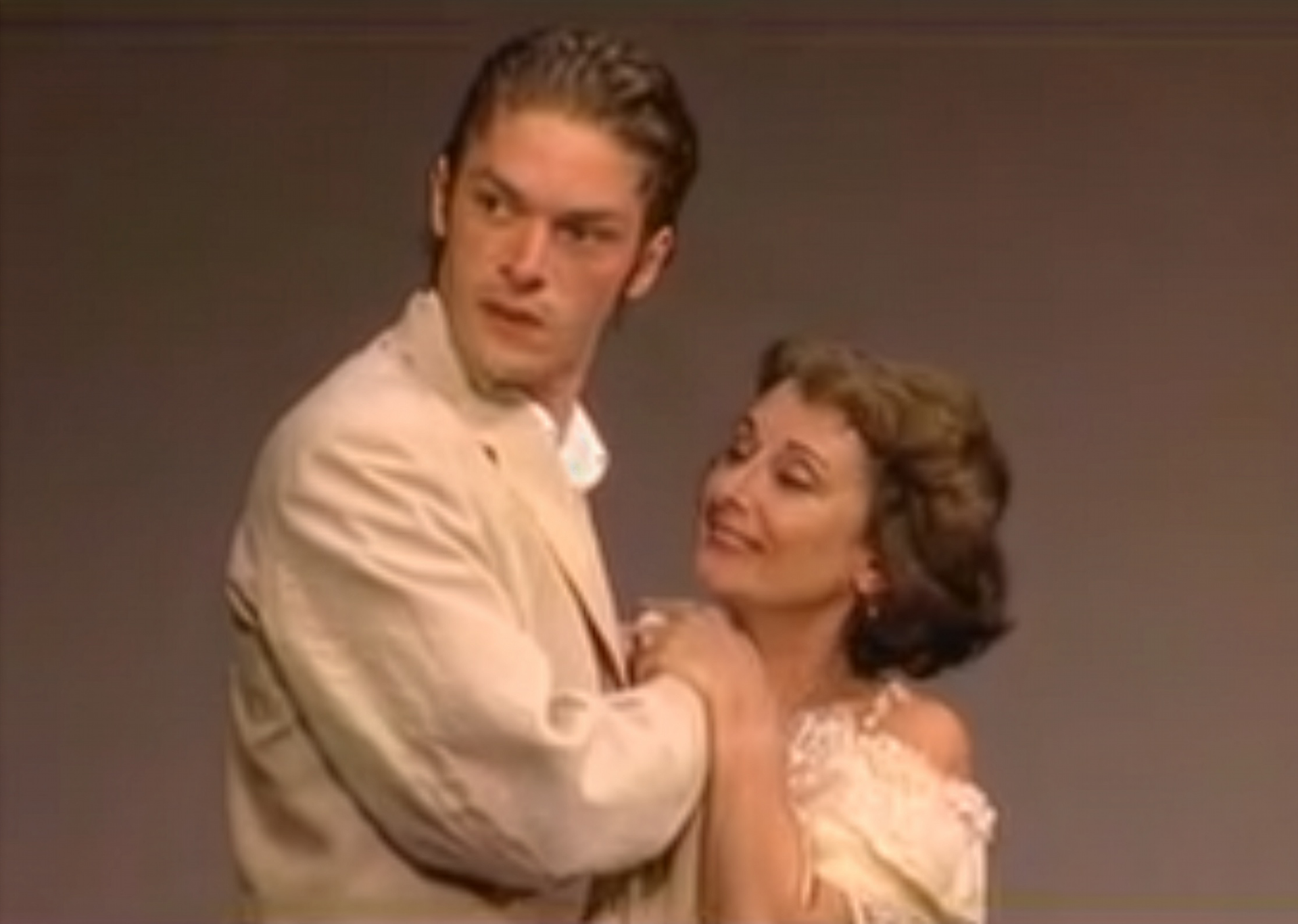
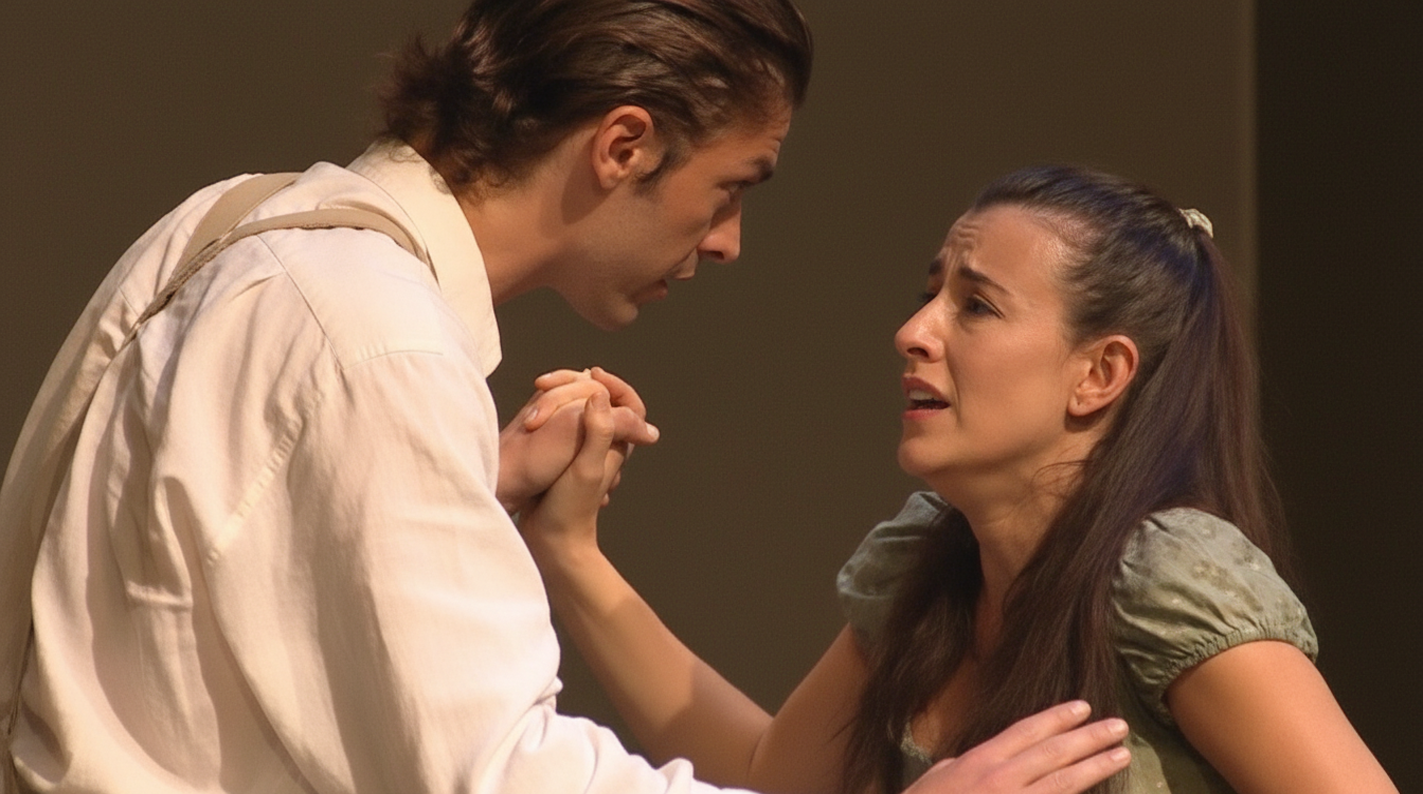
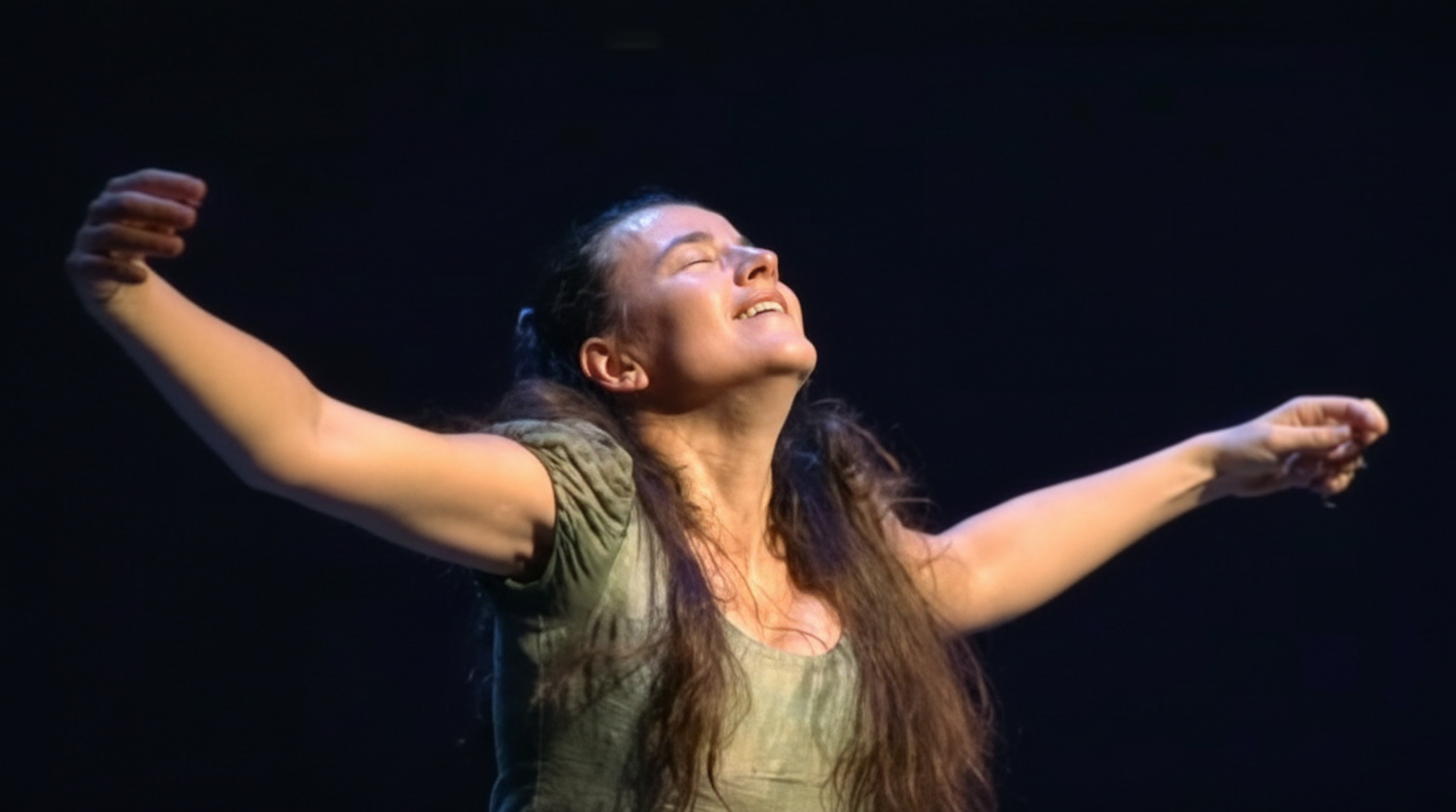
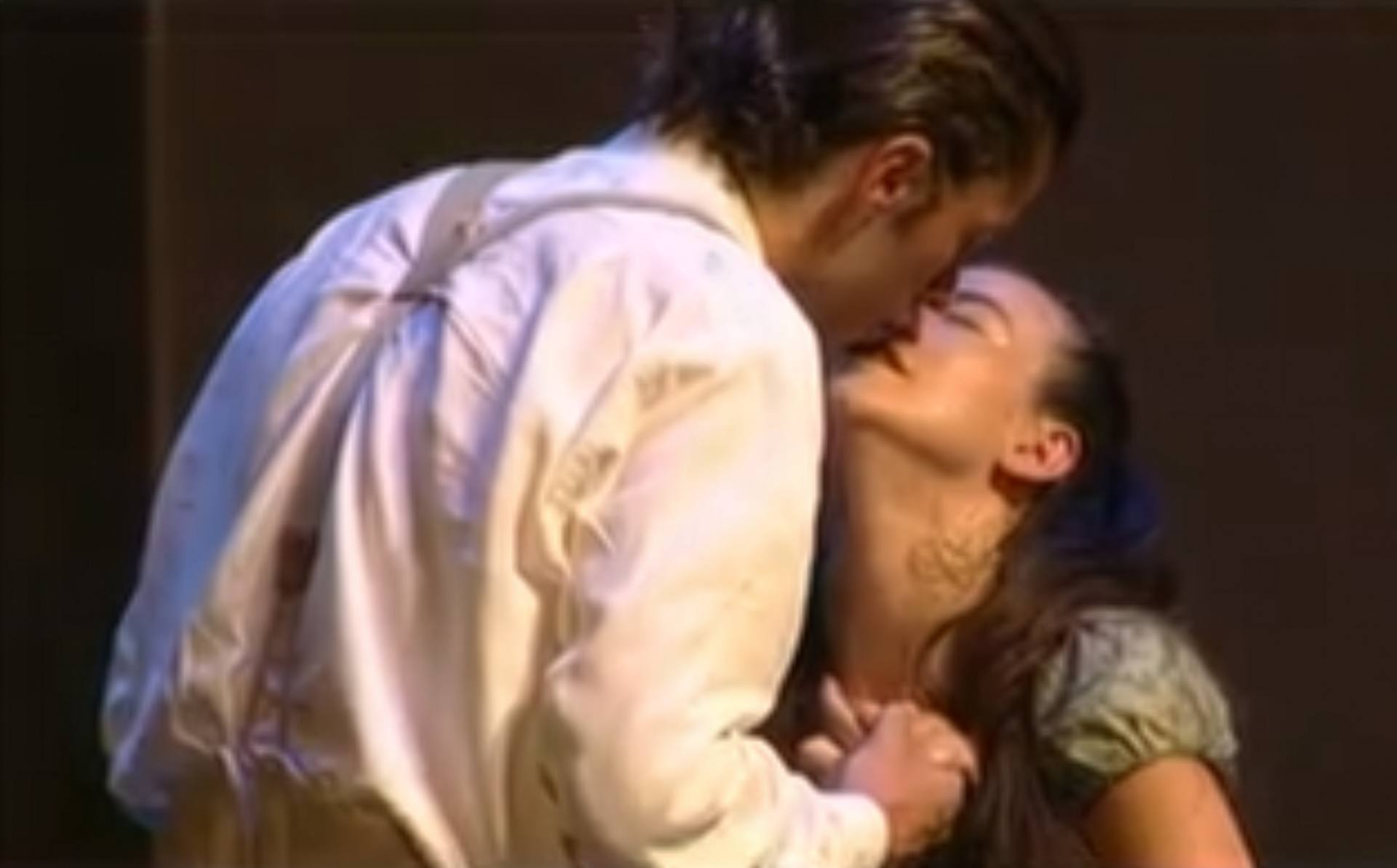
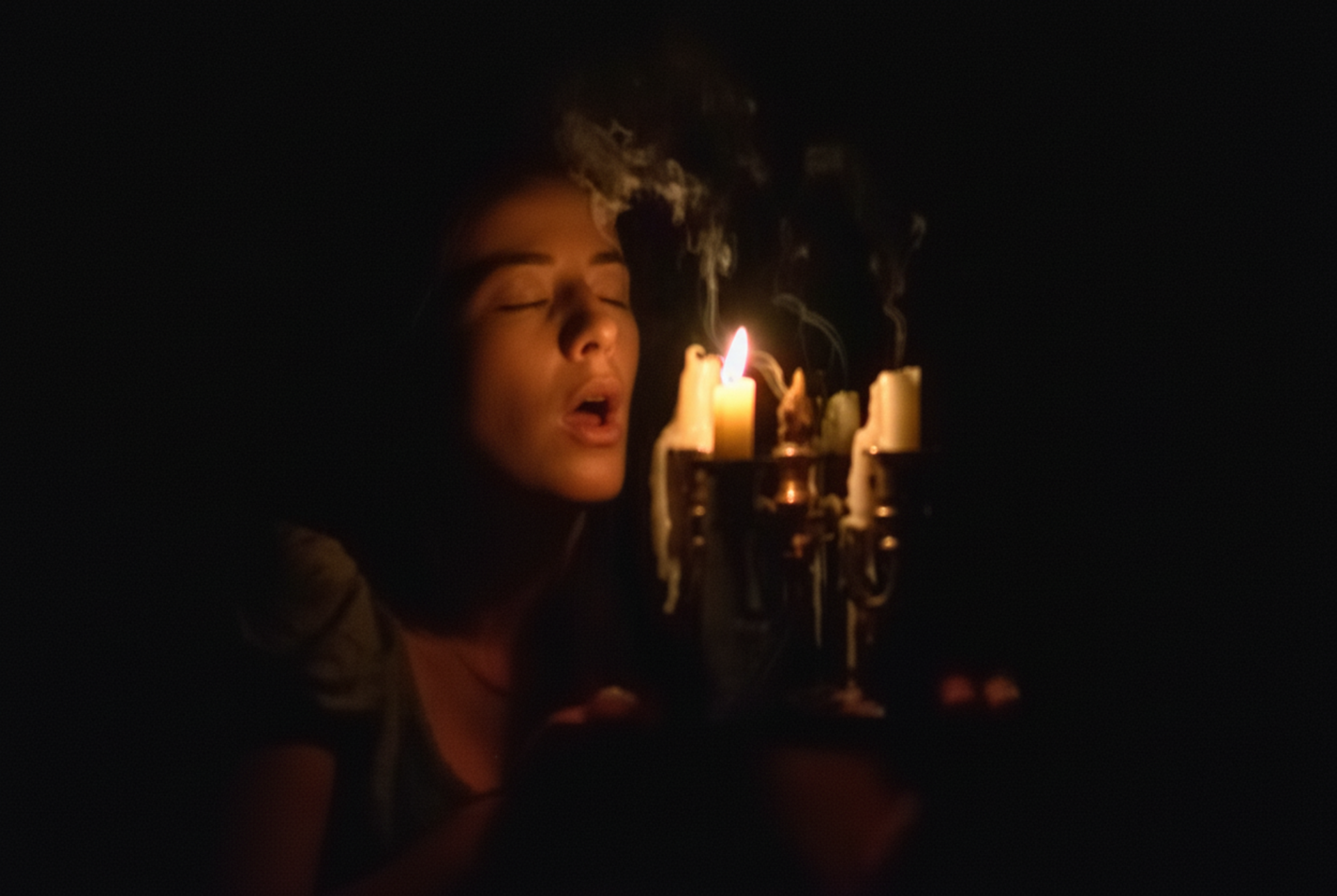
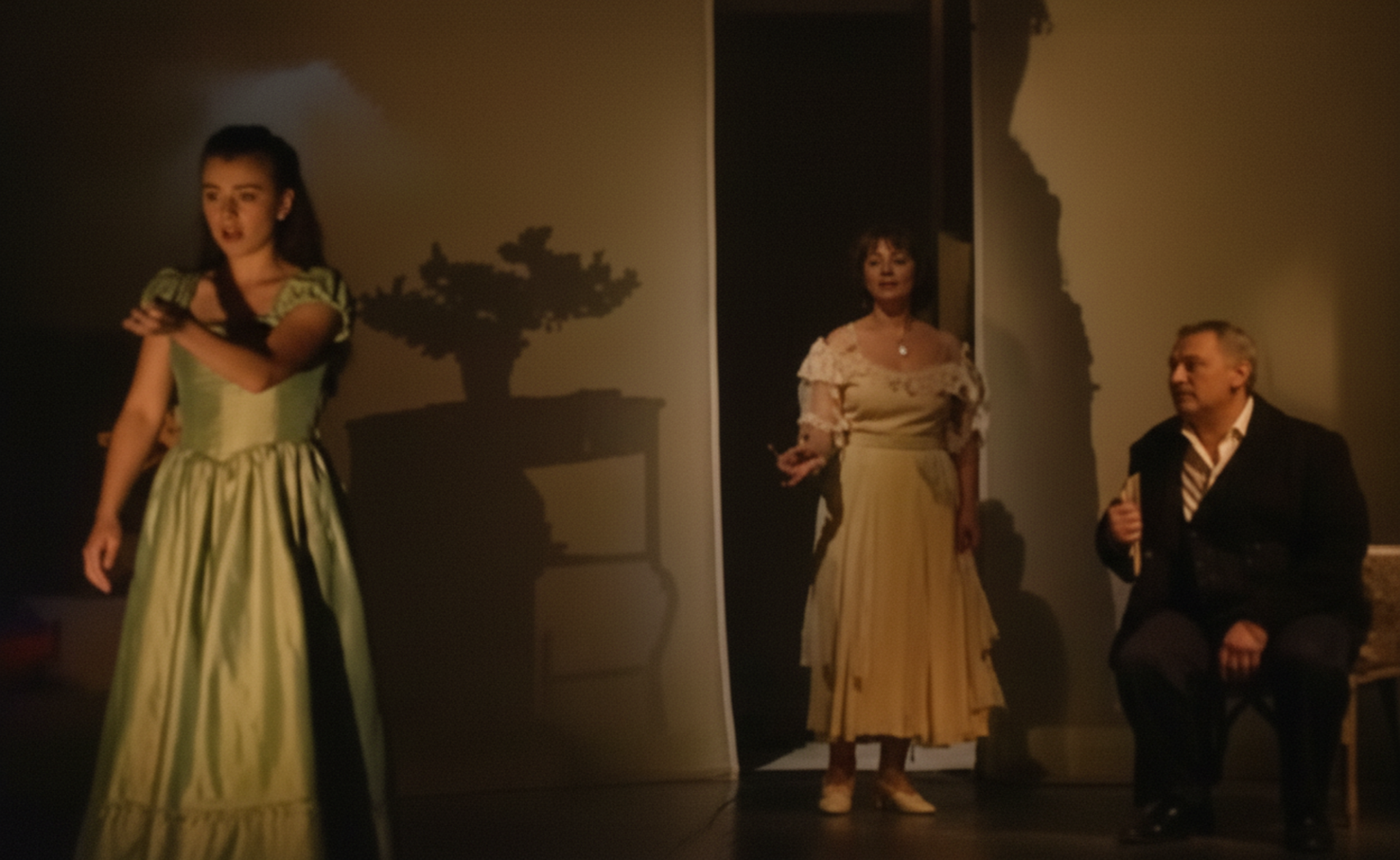
Théâtre de l’Atelier, Paris 2001
New National Theatre of Tokyo, Japan 2006
I like to tell stories that are funny and moving at the same time. This work is anything but naturalistic. I obviously don’t intend to stage a parlor play.
It’s important to remember that when Tennessee Williams wrote this text, he wanted to escape the constraints of naturalism and innovate, for example by introducing the visual arts. The text’s structure is anything but conventional. The perspective of Tom, the narrator and Tennessee’s alter ego, dominates, and it is through him that all the scenes are perceived. He draws us into the midst of his ghosts, inviting us to journey freely into his past.
The author of A Streetcar Named Desire brought together characters who resembled him: Tom, his double, Amanda the possessive, inspired by his own mother, and Laura, the glass bird, a heroine who owed much to the writer’s sister.
Nostalgia was a pervasive feeling in this work. Through a search for lightness. One must work with lightness. This is why I experimented with other modes of expression, such as dance or even a style of acting inspired by the expressionism of silent film. Ideally, delicacy and fluidity should prevail.
People come to the theater because they want something to touch their hearts. Japanese women are also confined by the restrictions placed on them by family and society, so there are a number of levels on which they can identify with Laura. They are very sensitive, and are very much in tune with works that touch their hearts and move them to tears.
The subjects of this play will never change: dreams, hopes, family.