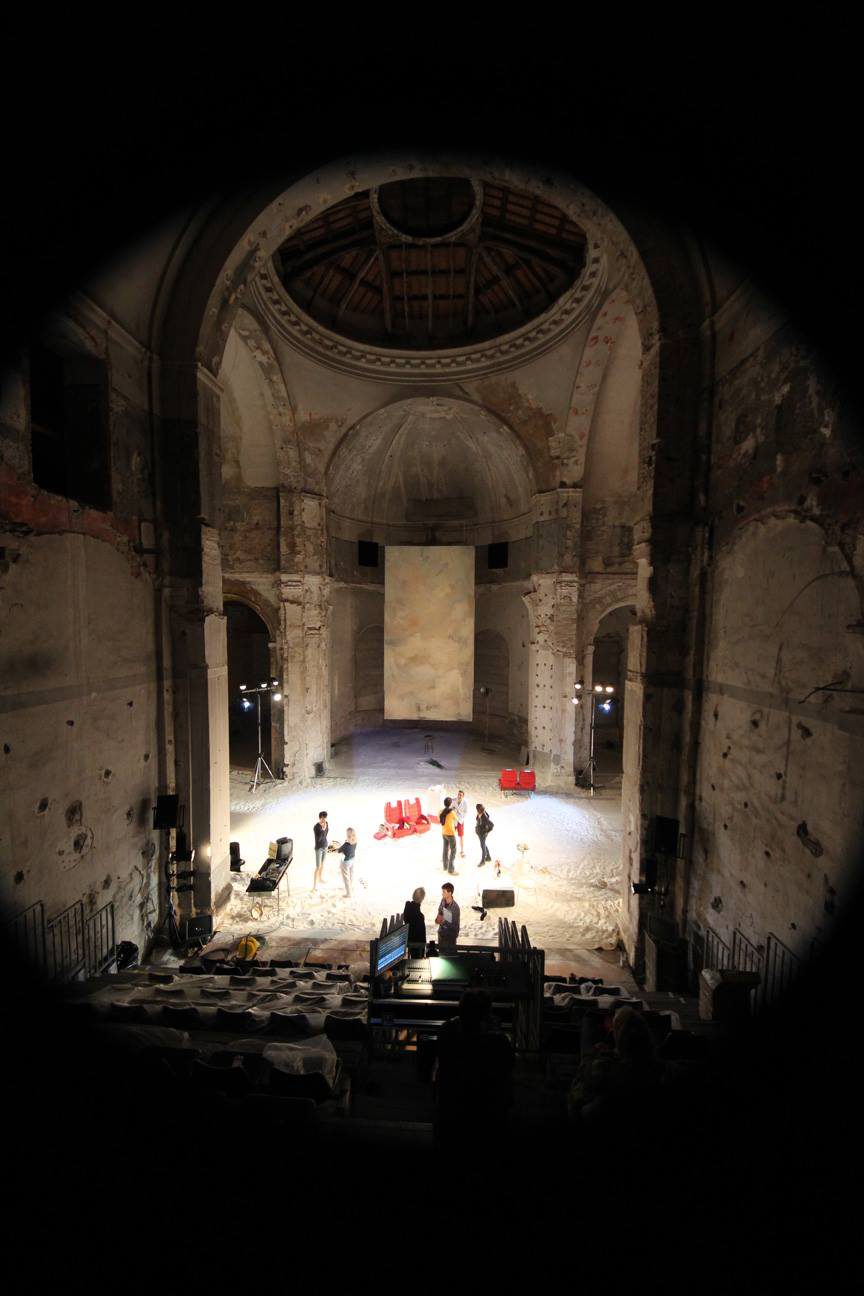
Spoleto Festival dei Due Mondi
Includes: Odyssée, Tempête!, and L’Île des esclaves (Marivaux)
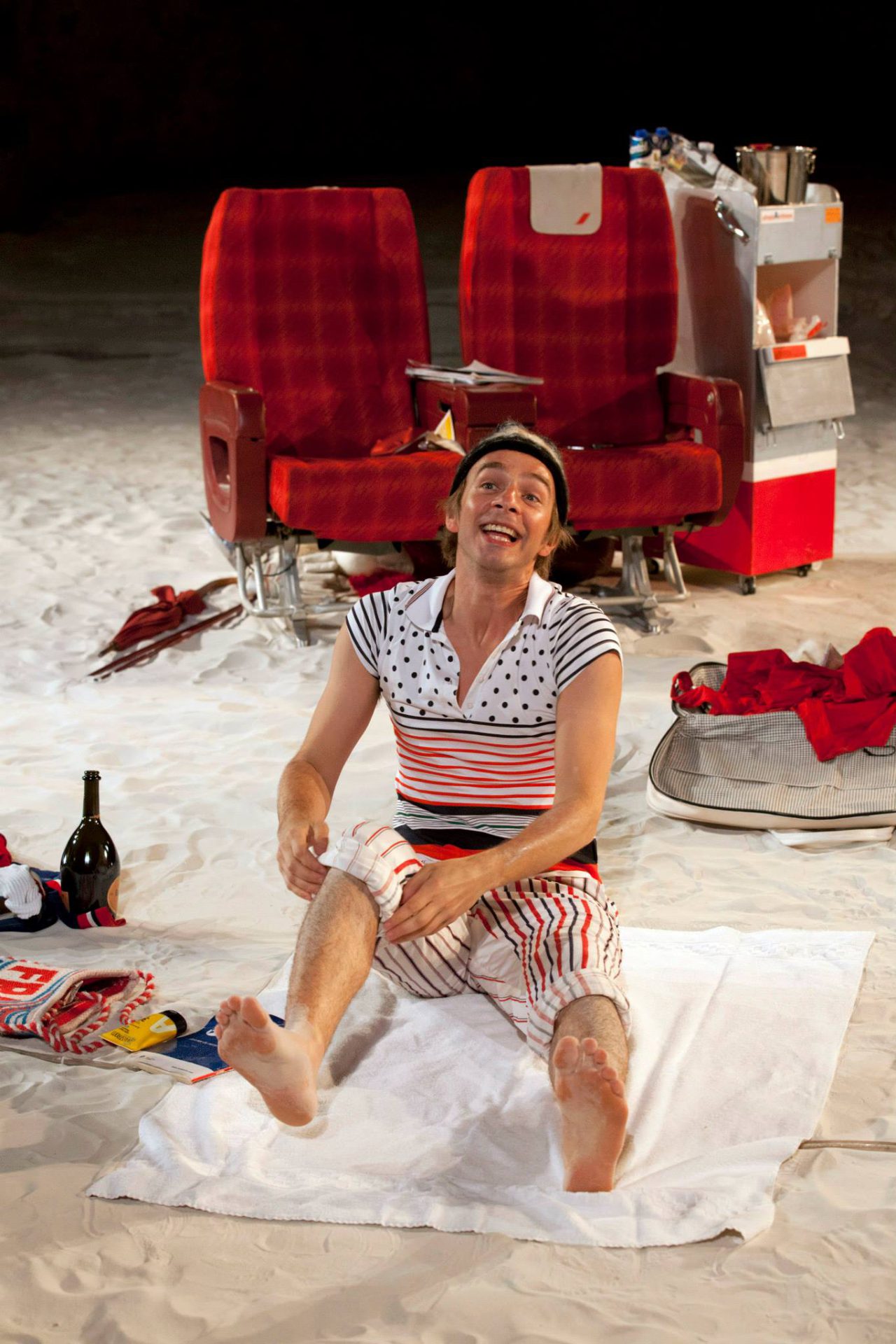
Won Air France prize for innovative staging
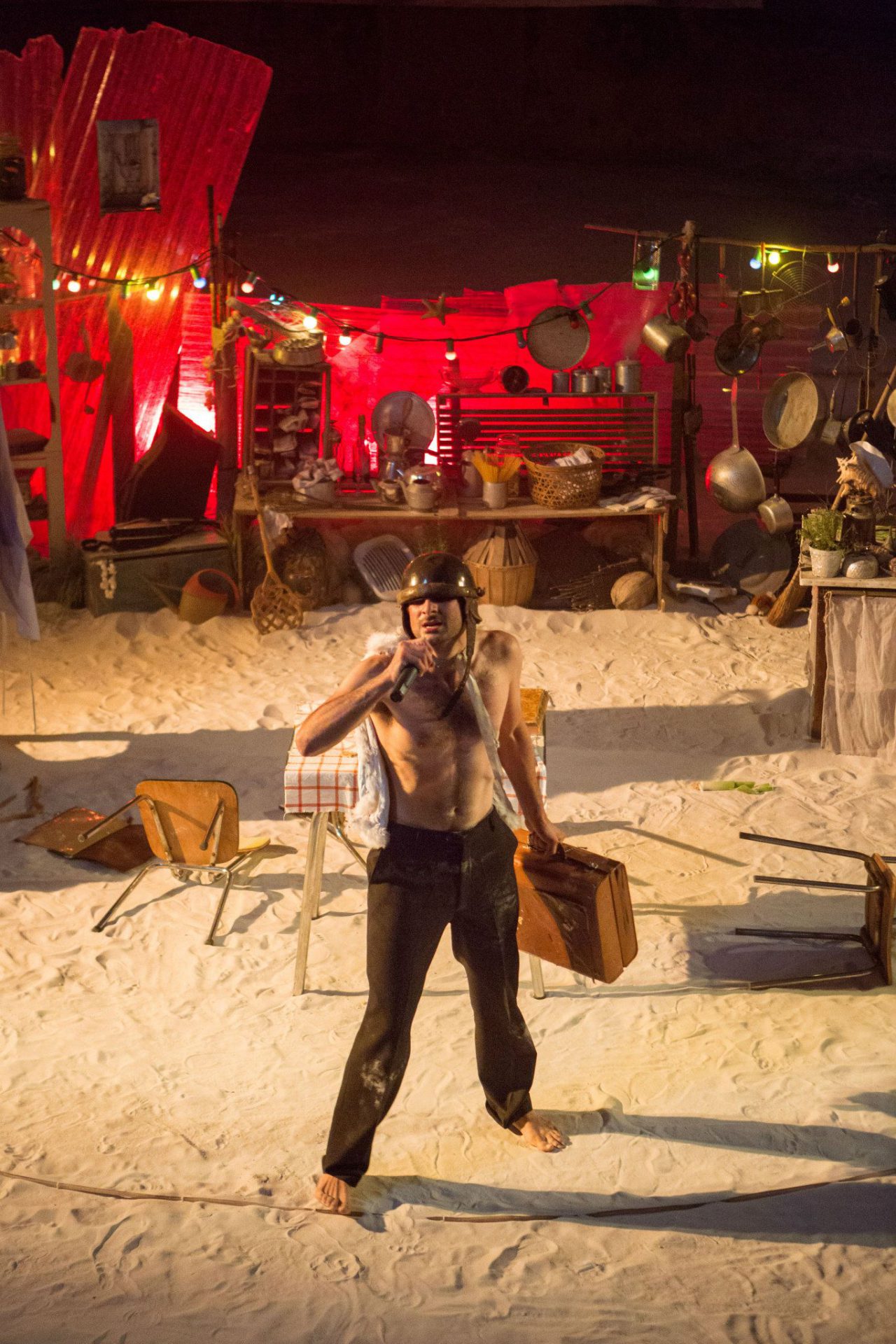
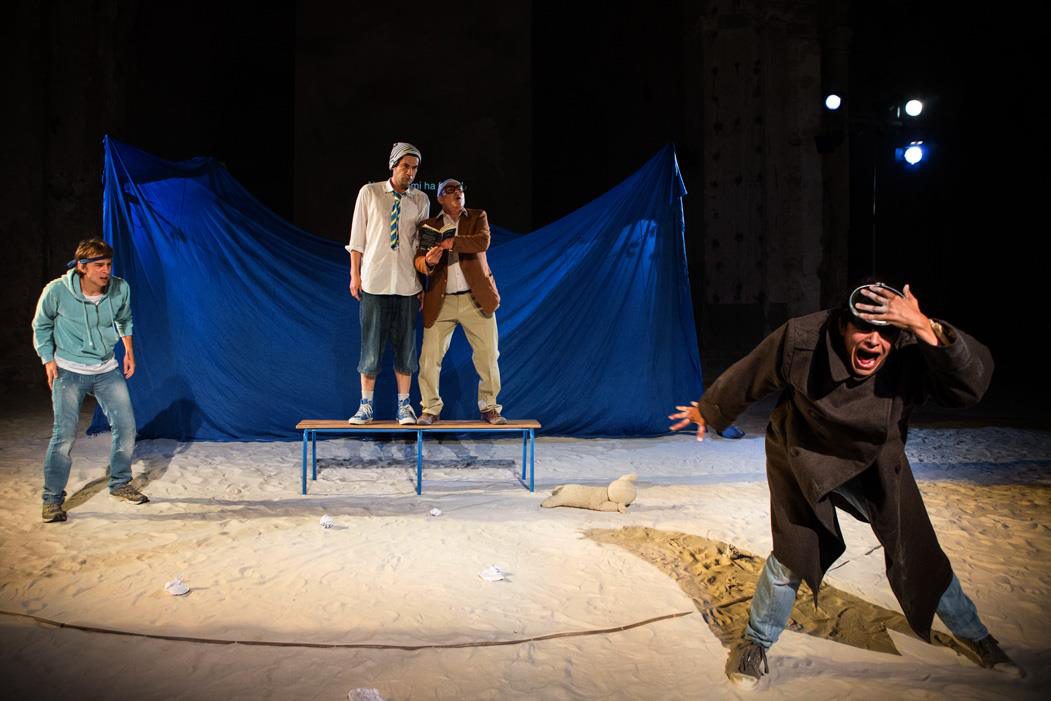
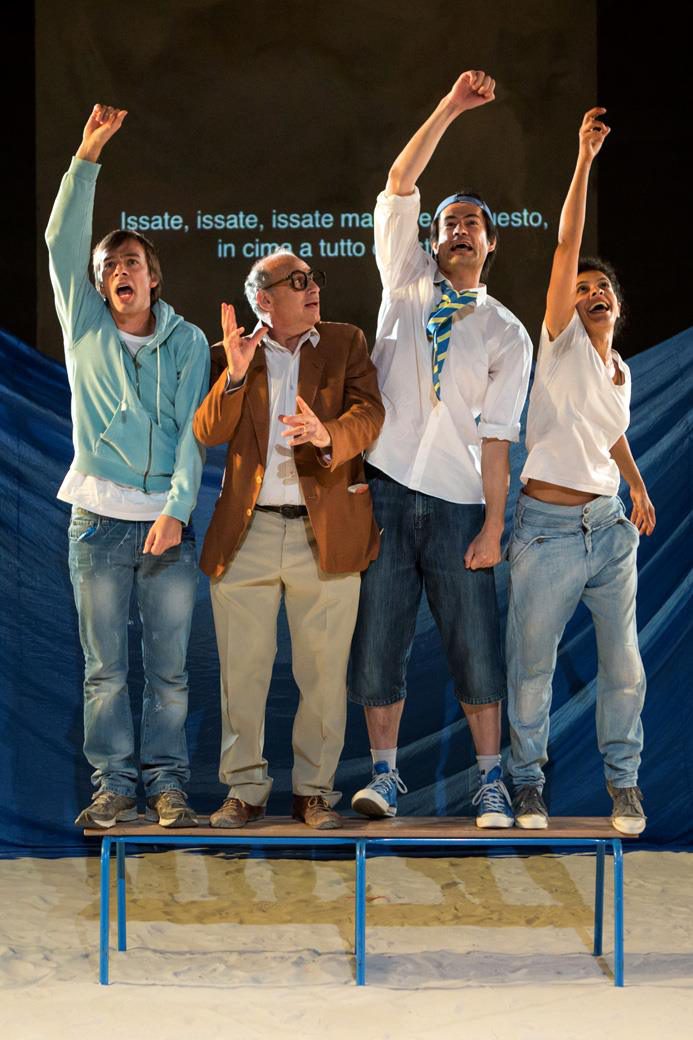
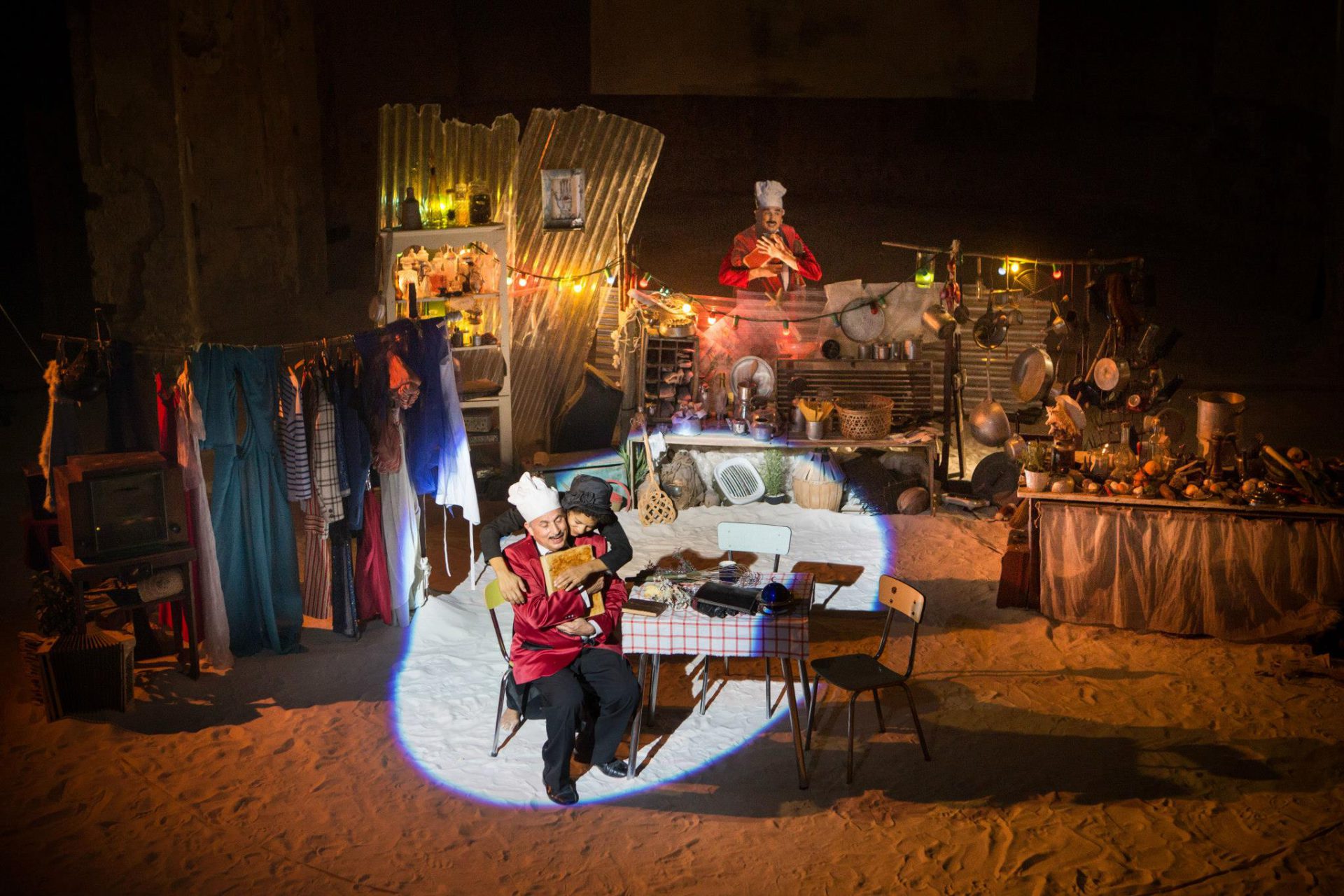
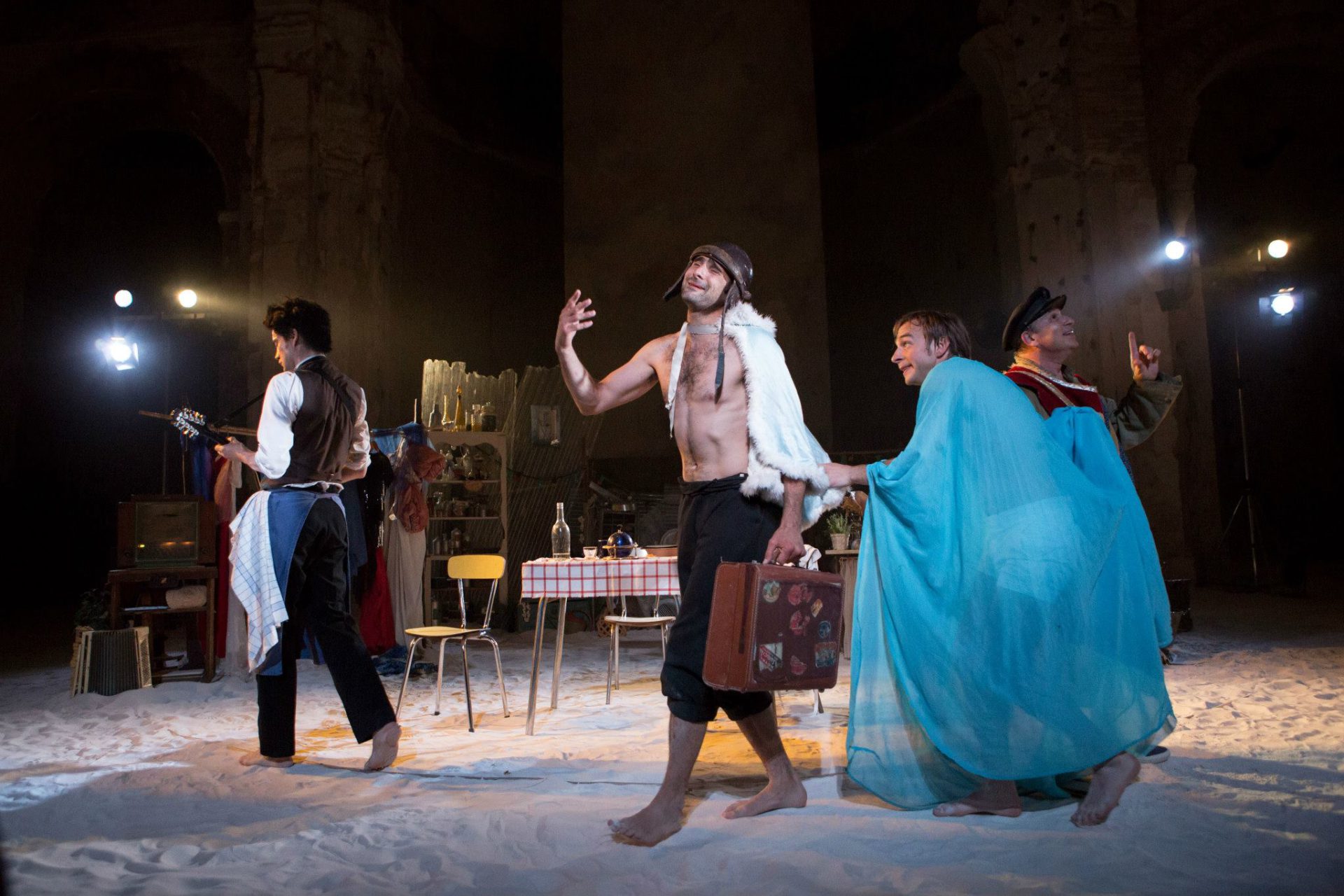
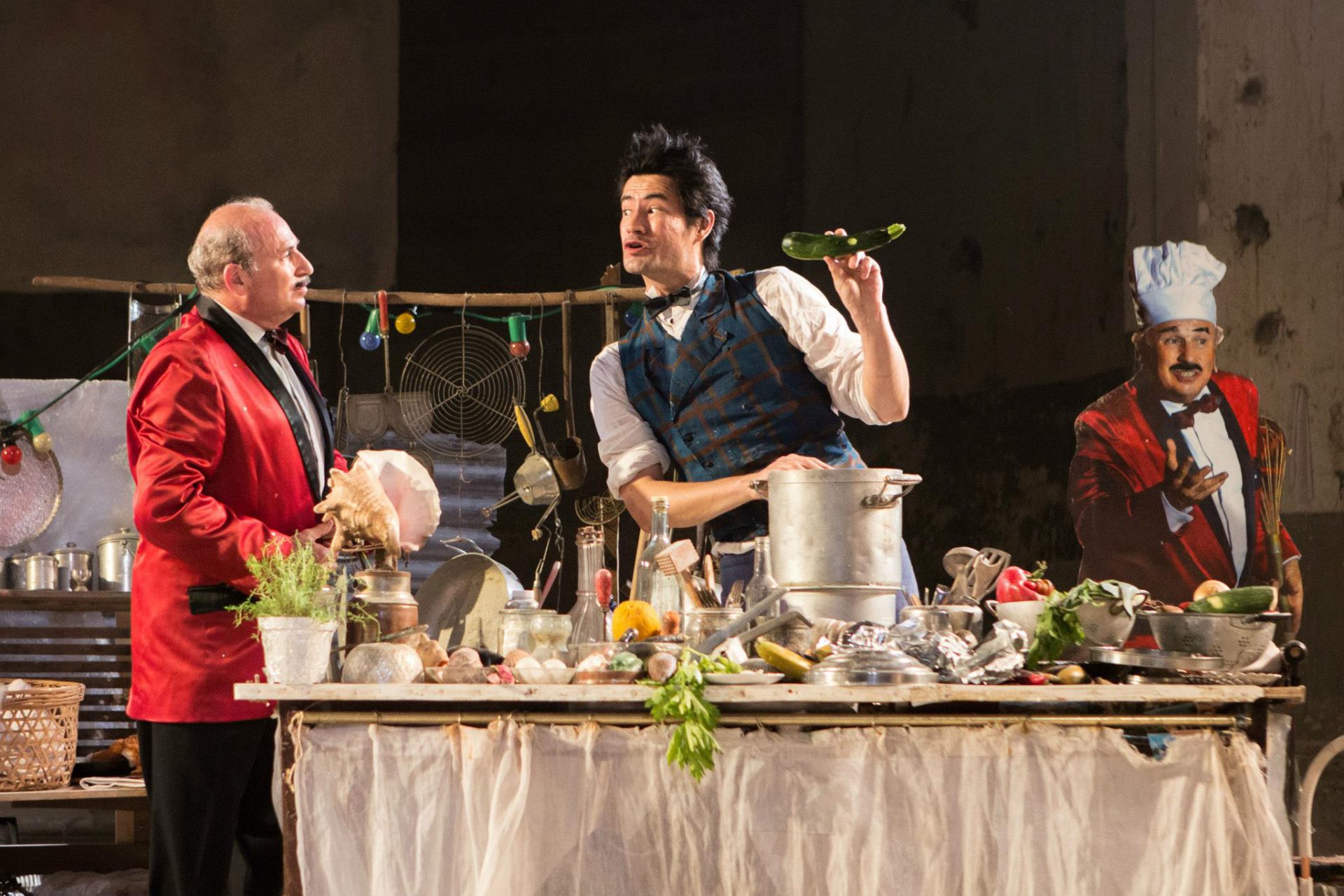
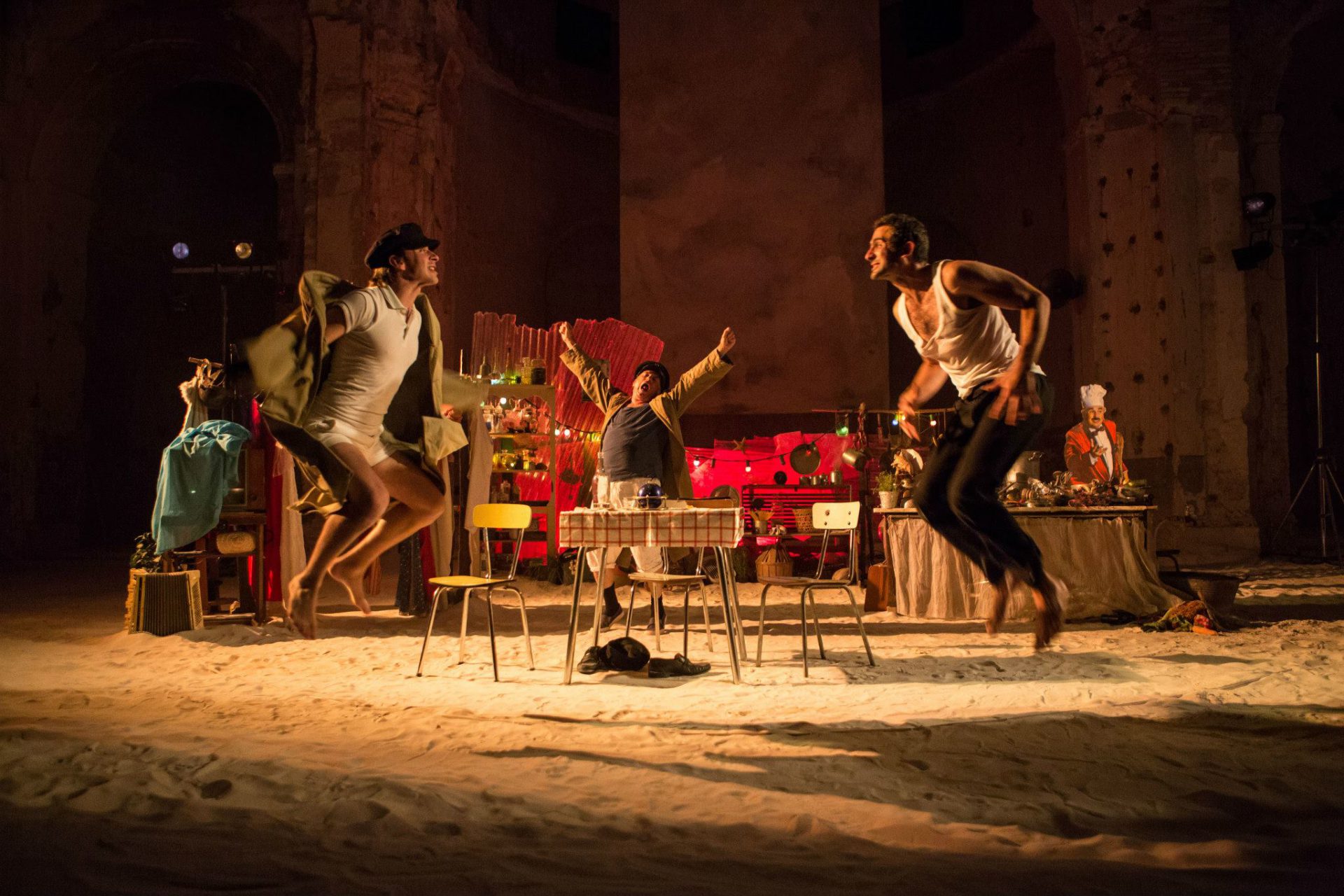
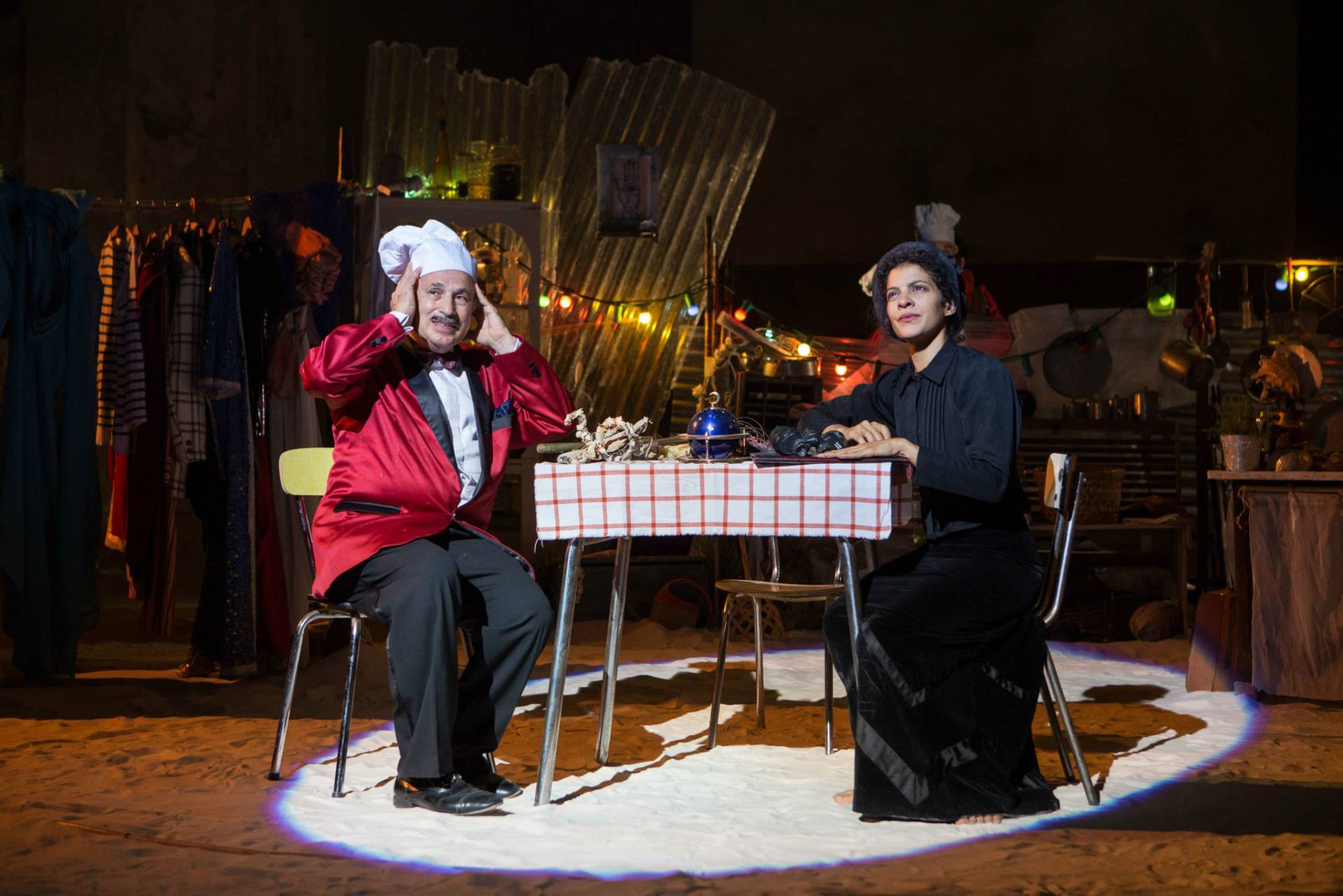
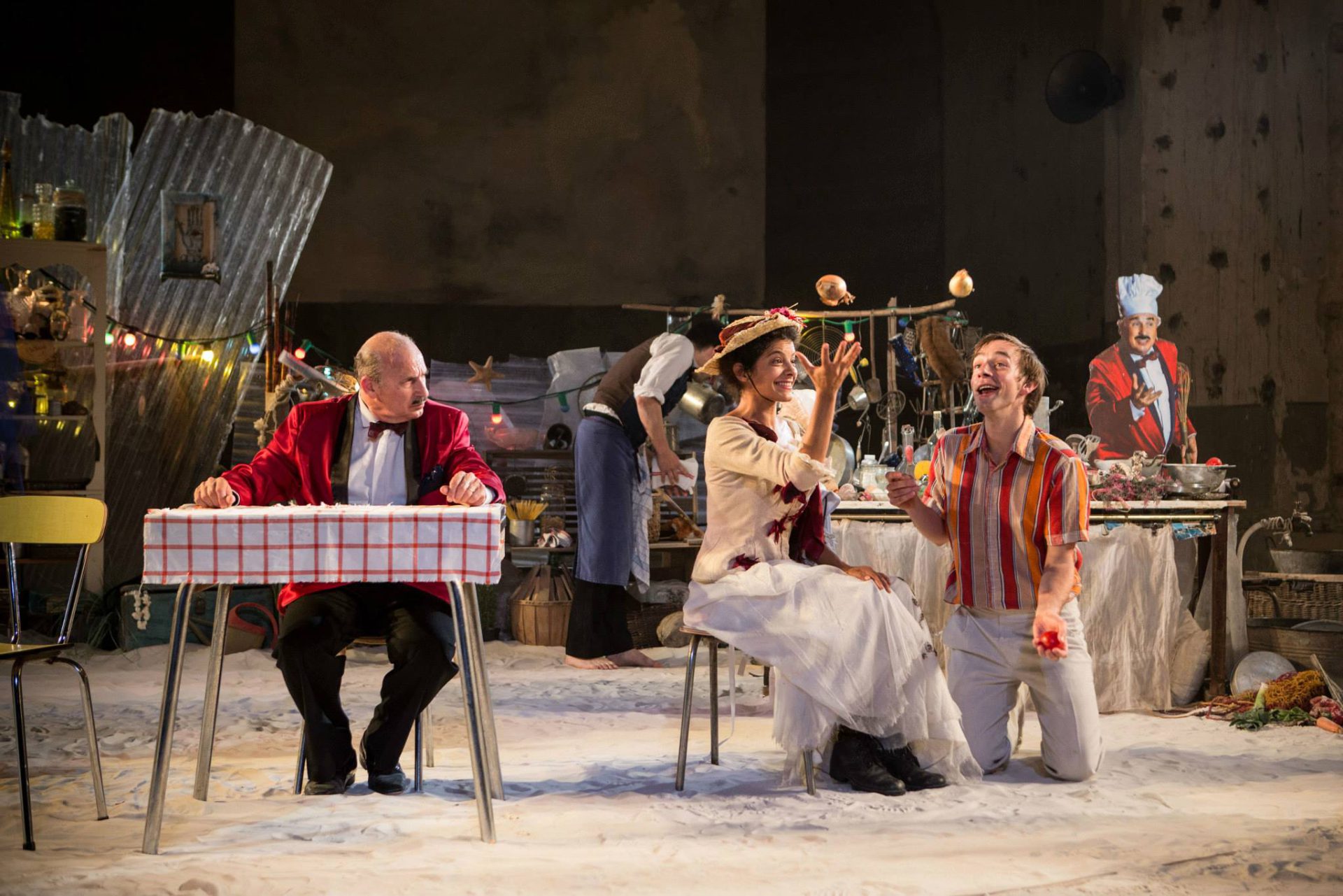
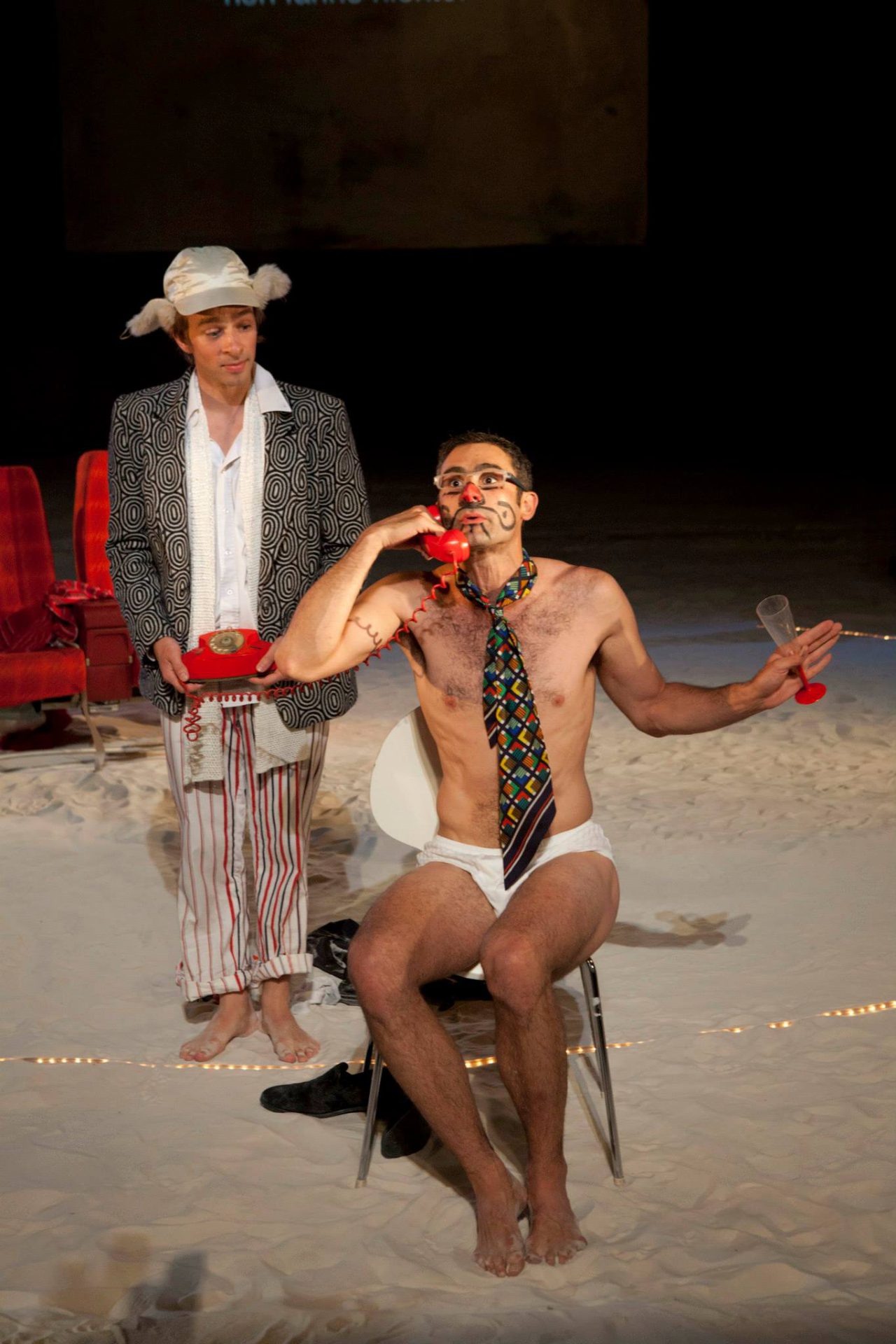
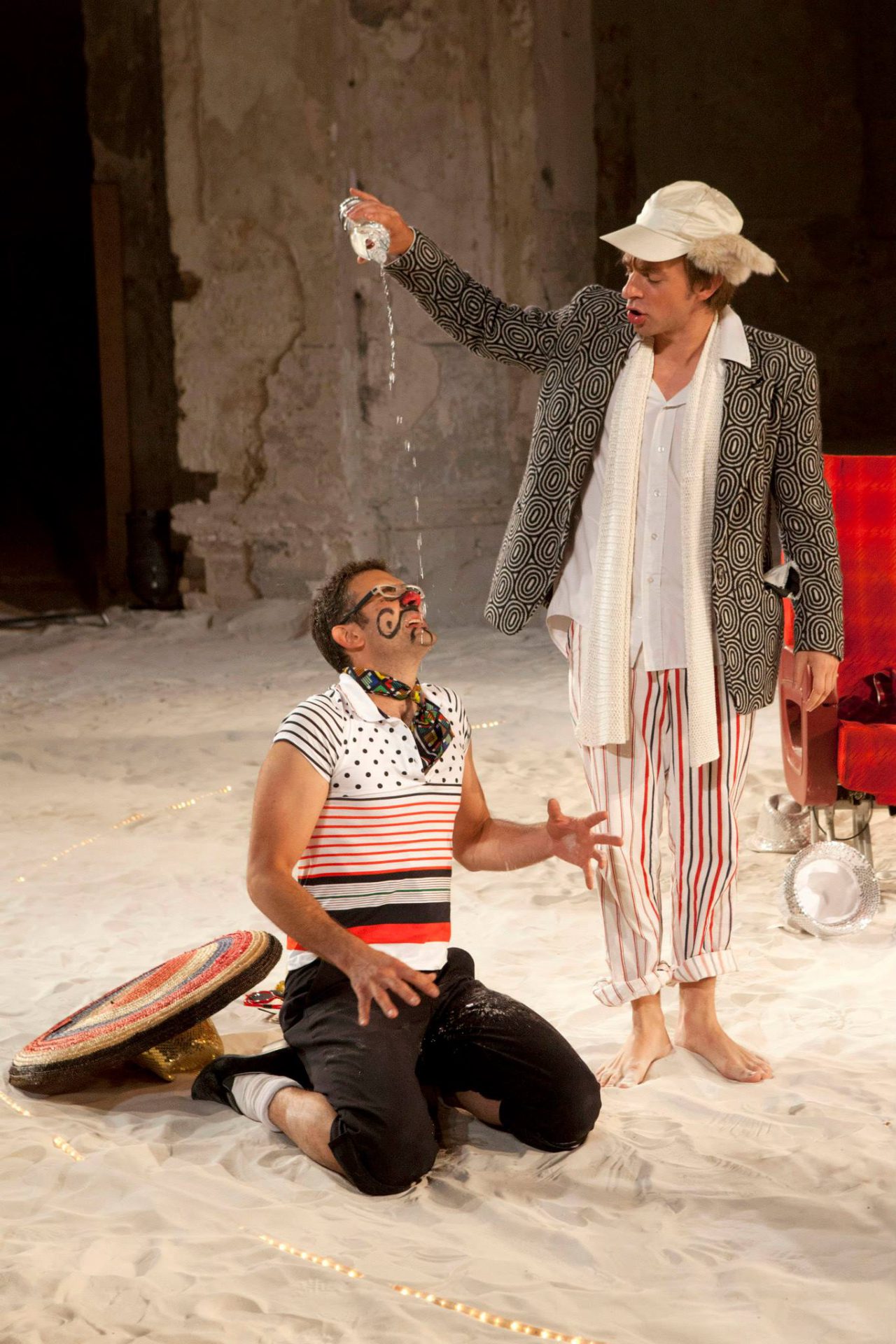
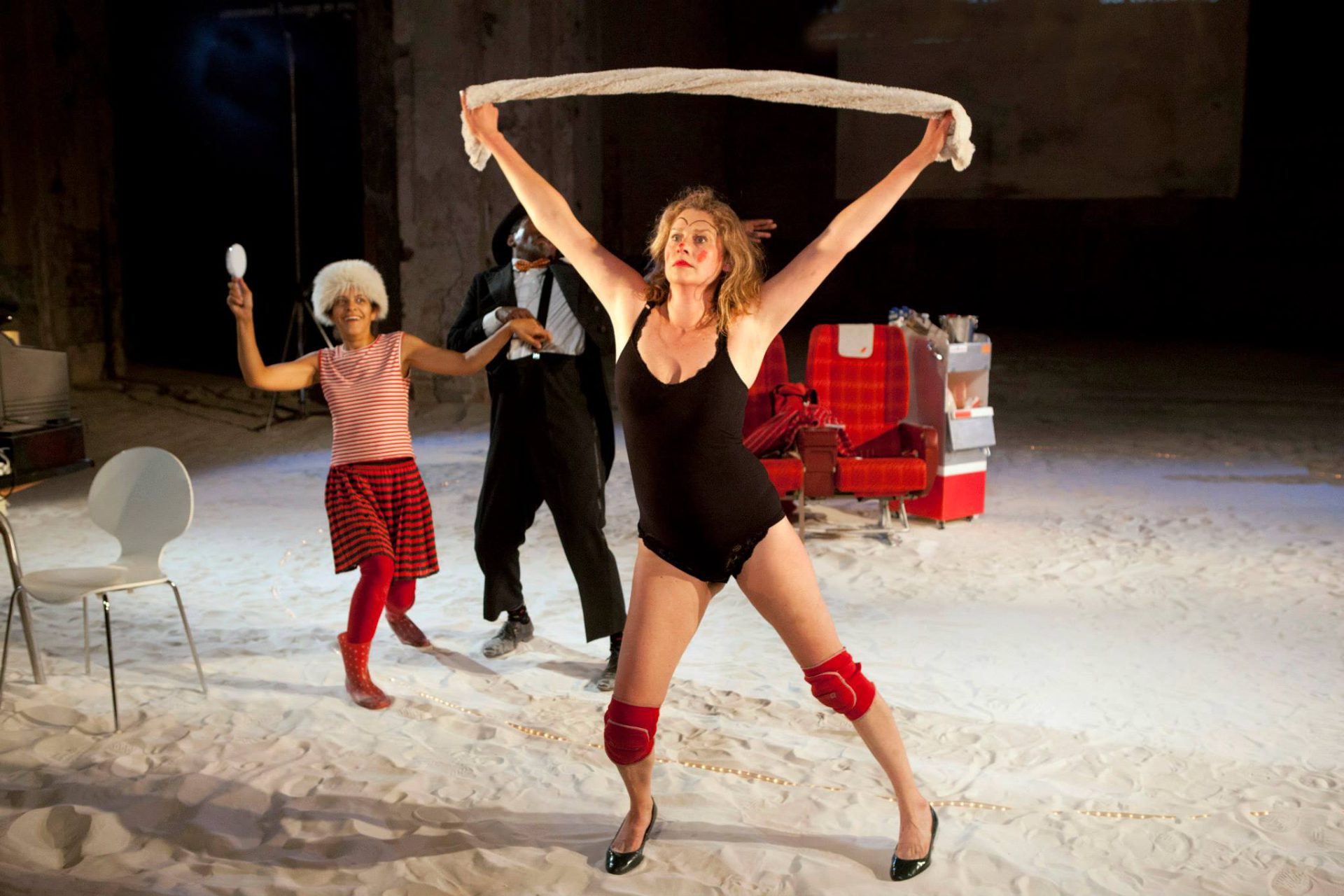
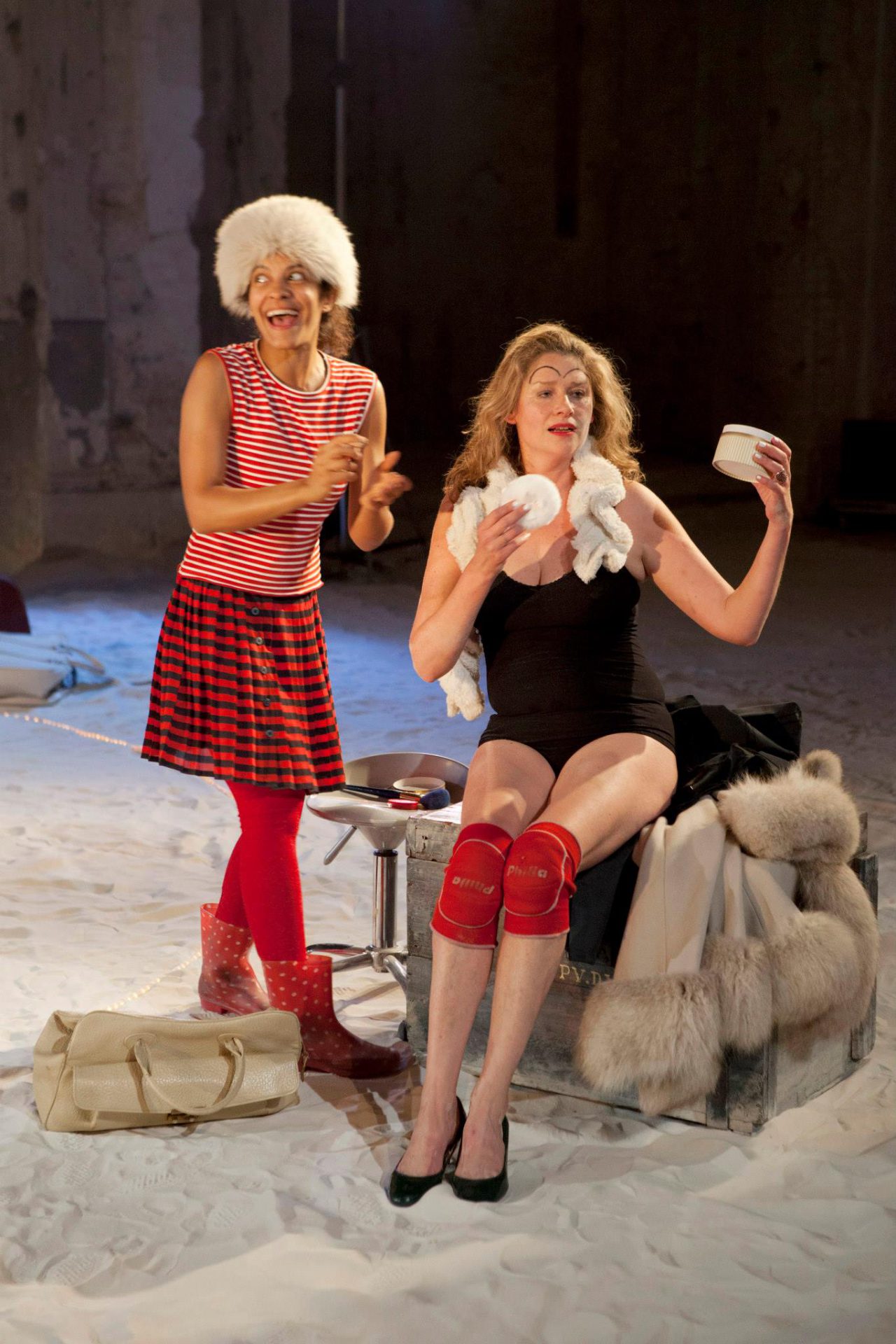
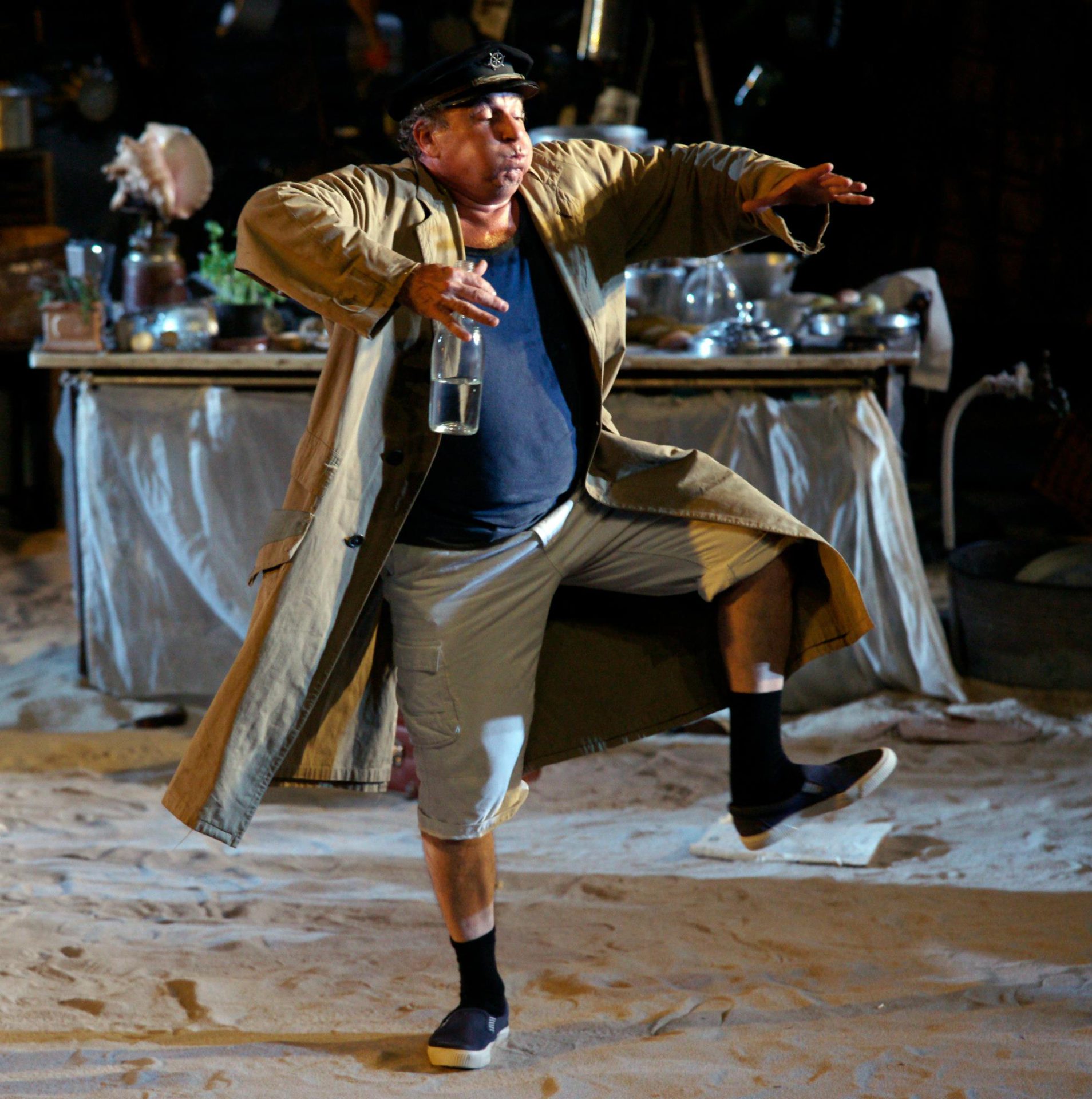
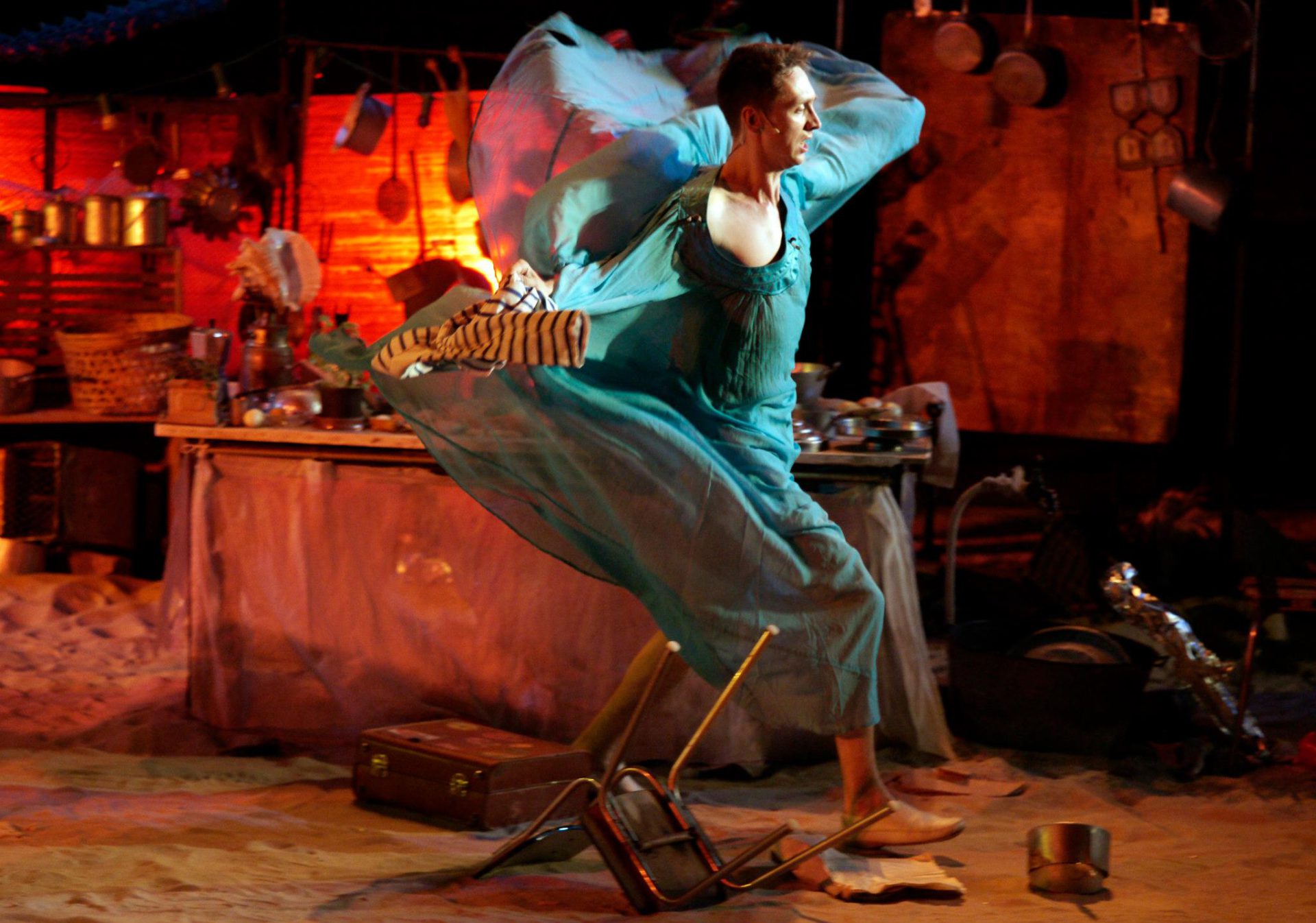
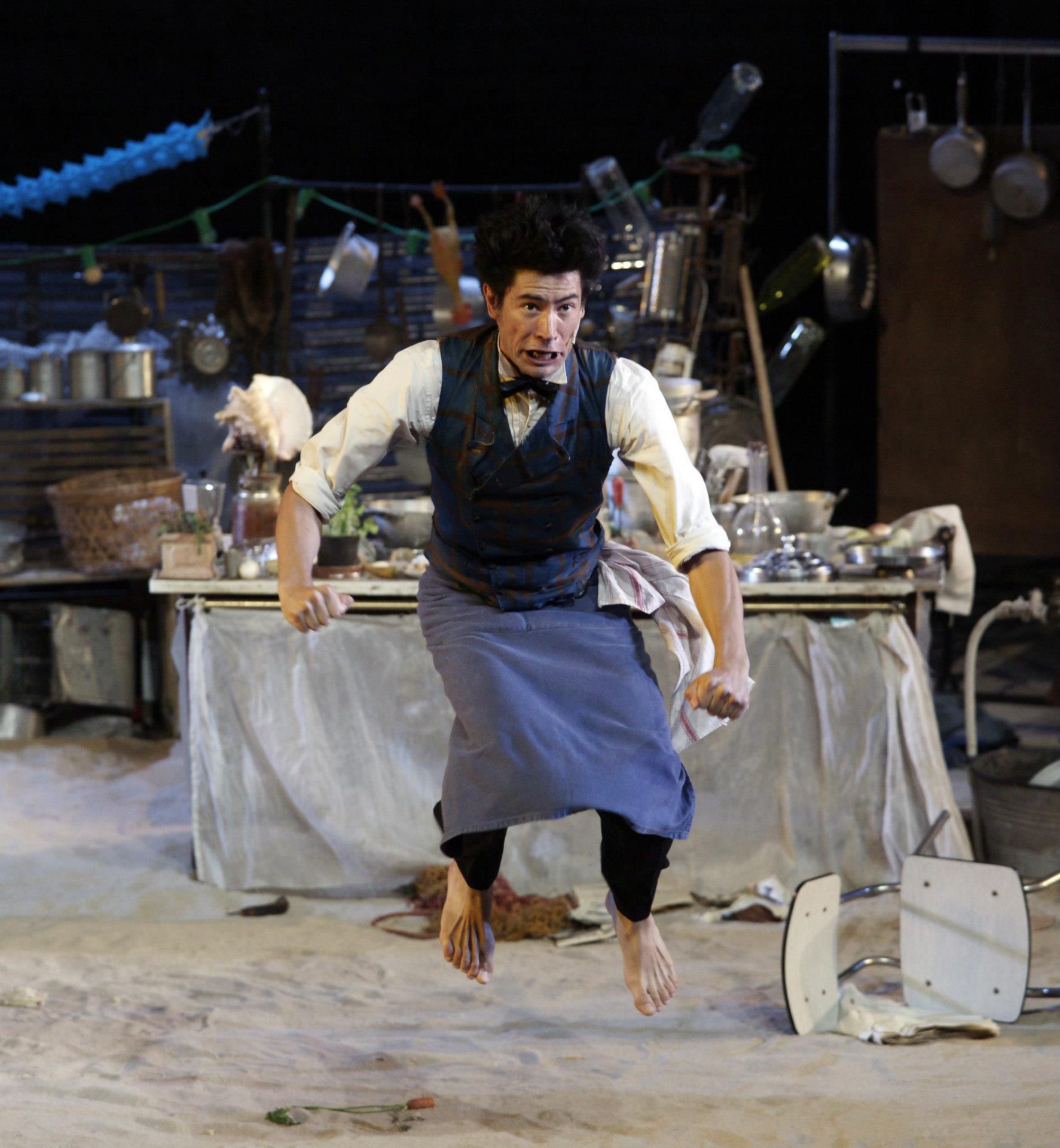
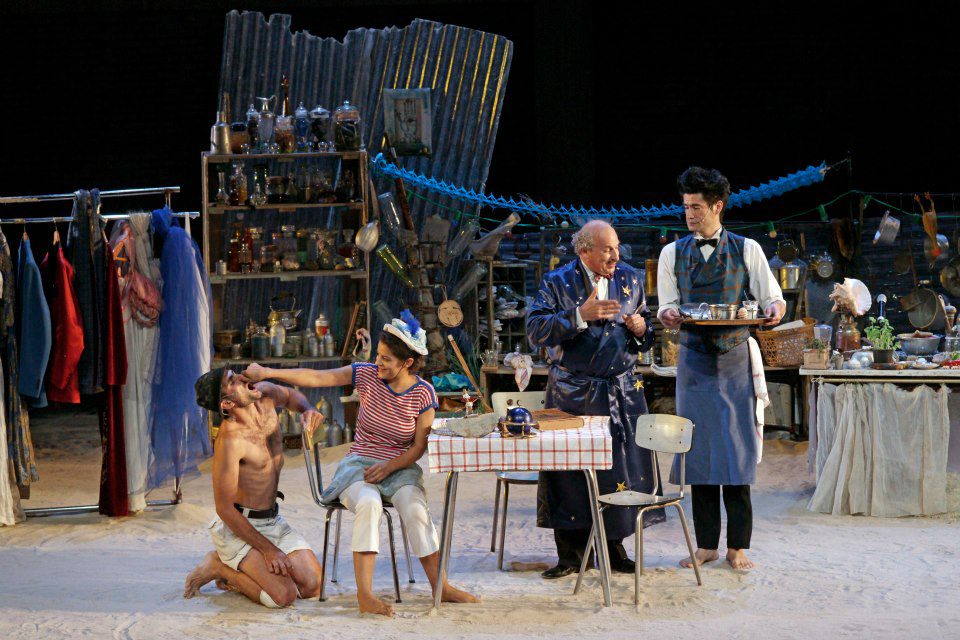
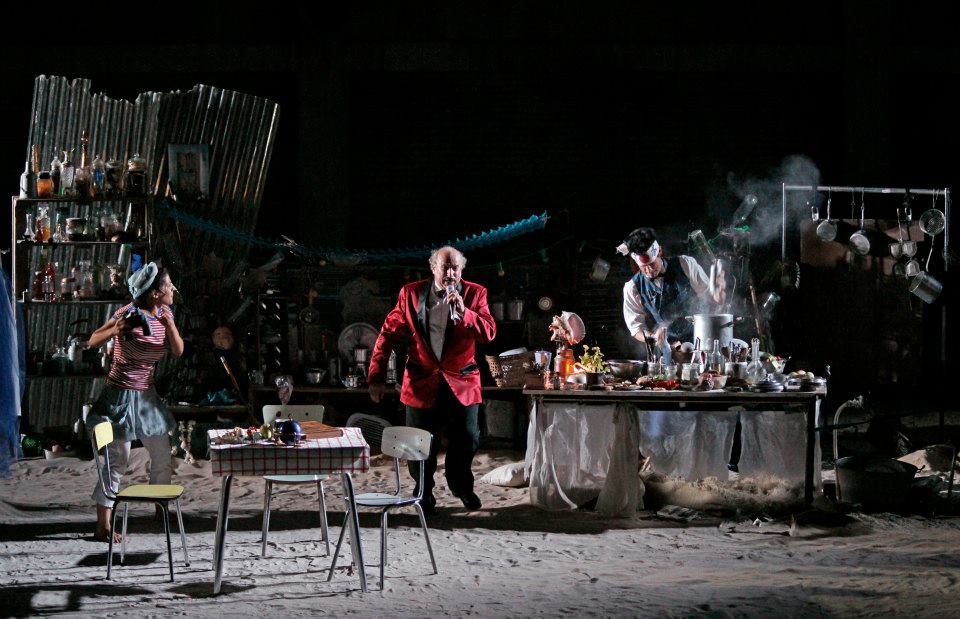
Irina’s DreamTheatre invited audiences on an initiatory journey from island to island: an action-packed adventure in search of self. Each island transported us to a different world and atmosphere, but beyond the sand, sea, and sky, audiences were confronted with deep questions about our human condition, our emotions, and our actions.
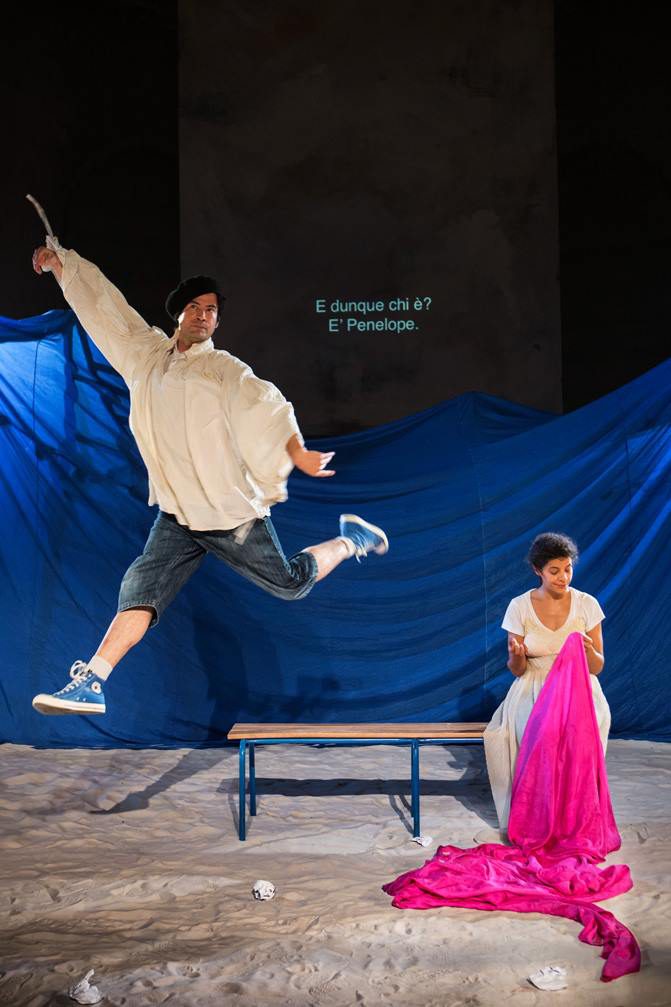
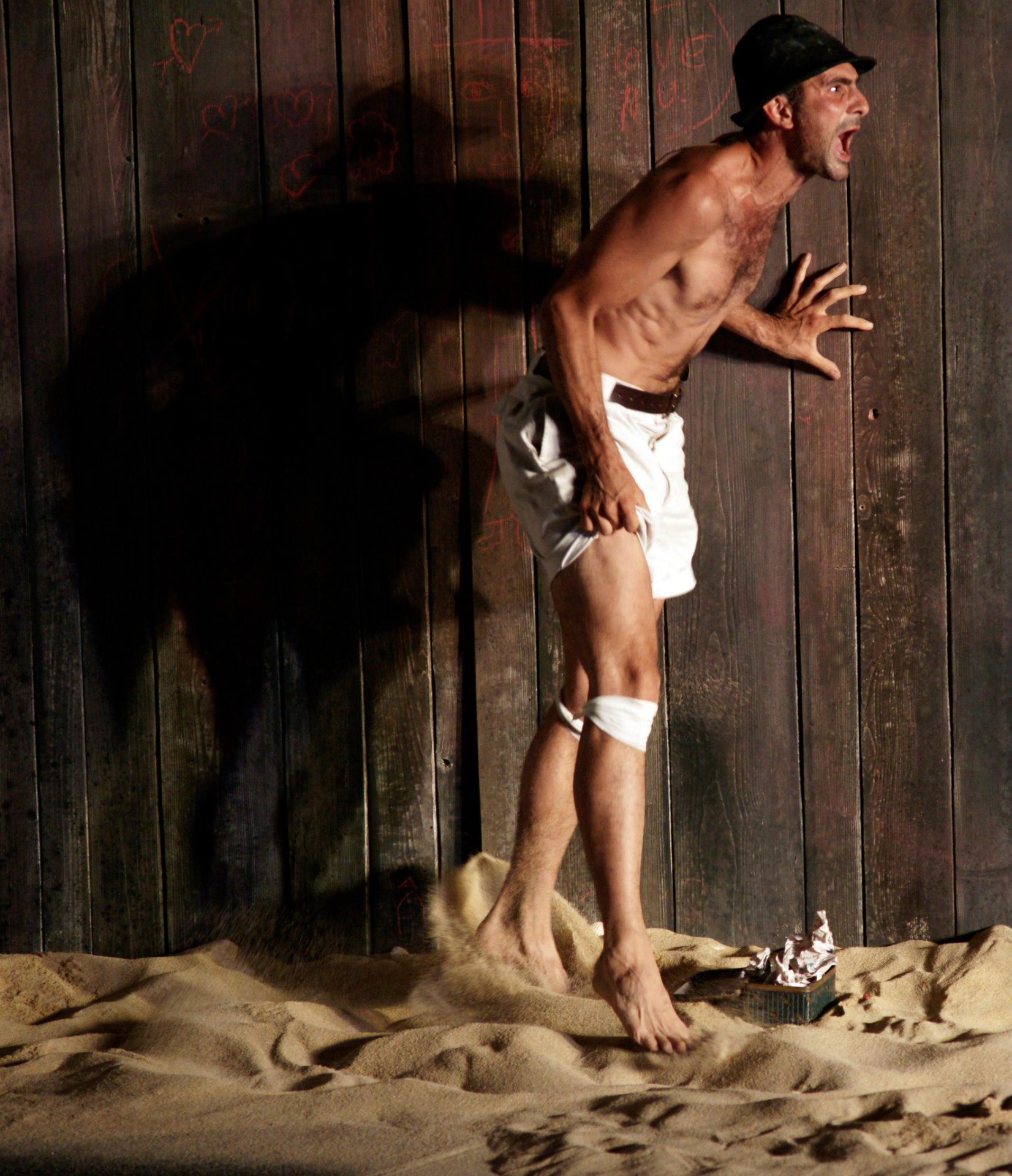
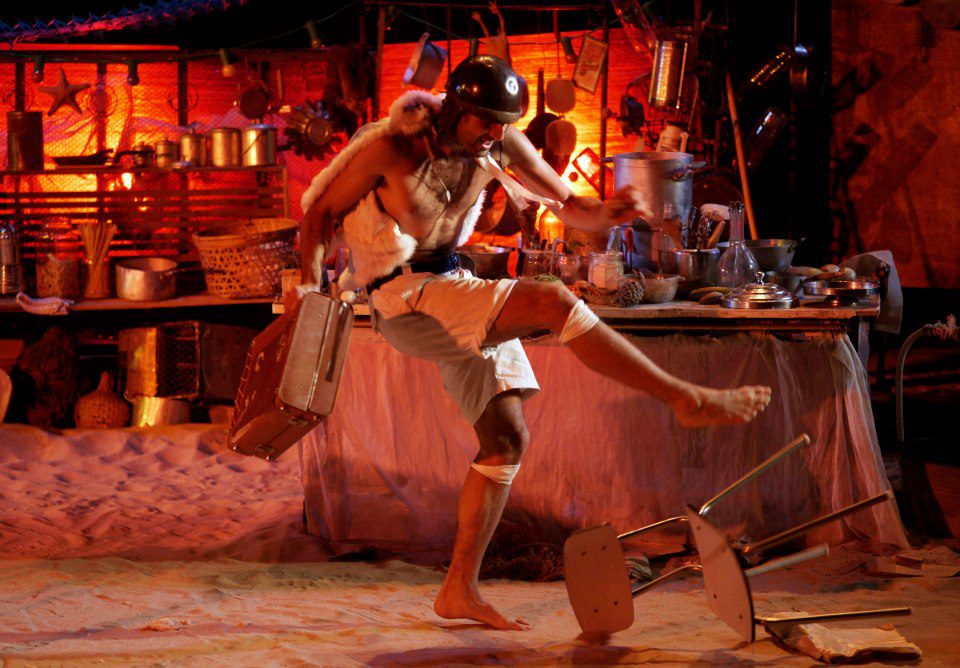
The journey followed Odysseus in his mythical adventures as he searched for the path back to his homeland—a journey fraught with trials where we saw him escape the intoxication of the Lotophagi, outsmart the bloodthirsty Cyclops, resist the calls of the Sirens, and almost succumb to the bewitching charms of the sorceress Circe before finally finding his beloved family in Ithaca. A tale of wiles, trials, passions and sensuality, ending without mercy for Penelope’s suitors. Ulysses did not forgive: for him there was only revenge.
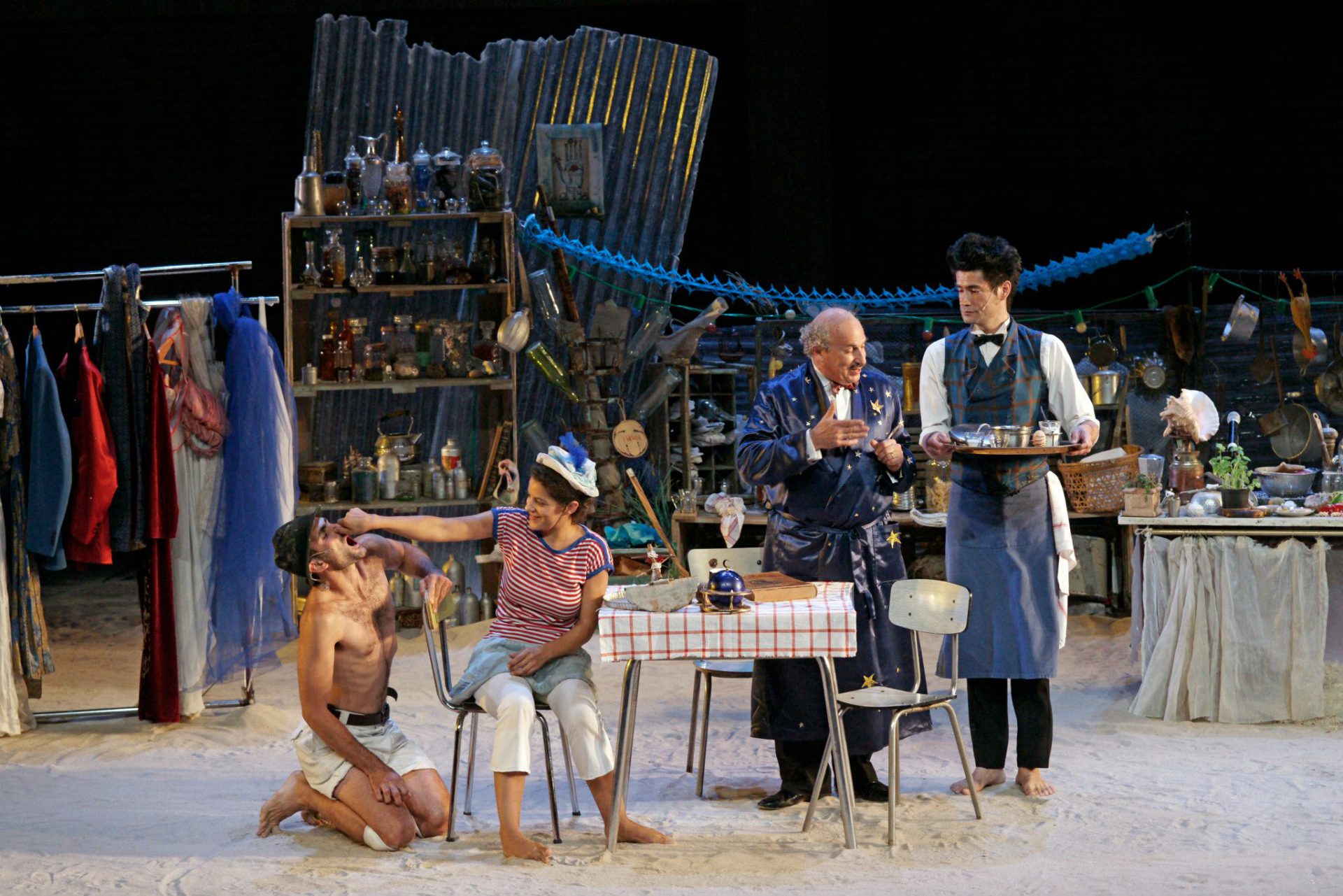
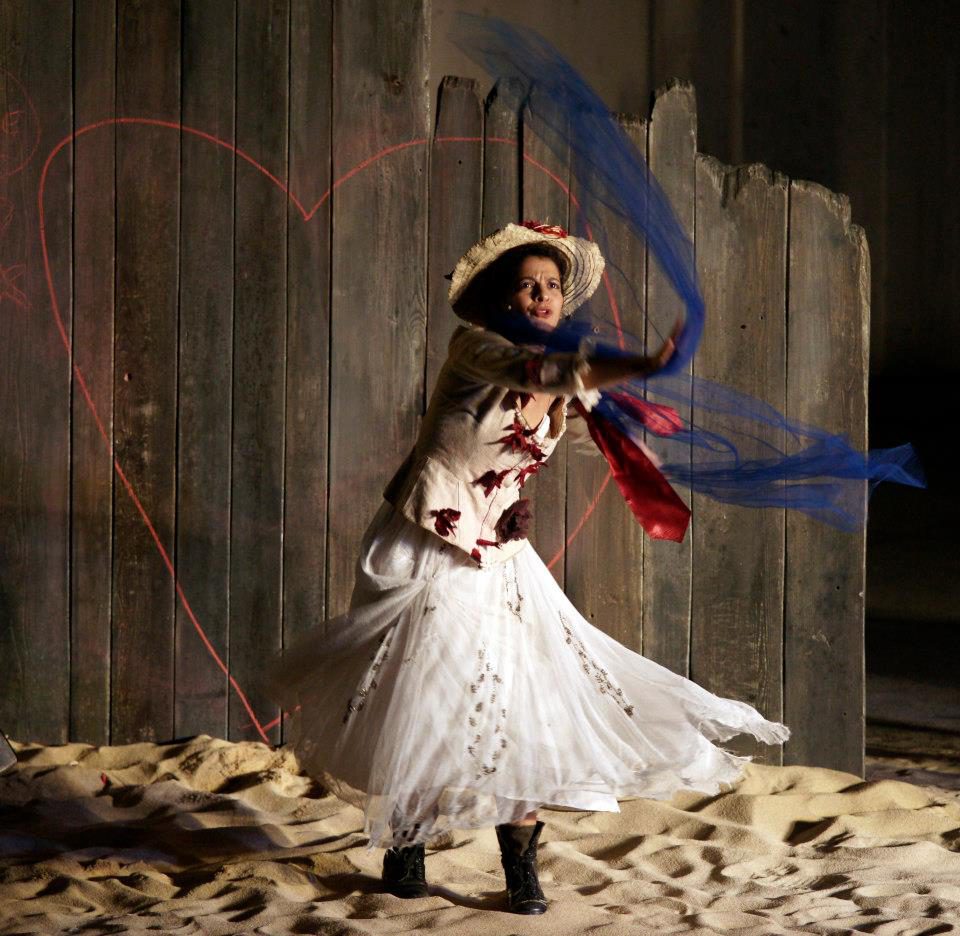
Audiences were then shipwrecked on Prospero’s island: a seemingly magical place where music and spells reigned. But a dark side could be sensed—the island was under the power of a tyrannical magician. The only inhabitants of this realm were his daughter Miranda, the monster Caliban, and the island spirit Ariel, young people who shared a single dream: to escape Prospero’s patriarchal power and finally gain independence and freedom. This island raised questions about the innermost aspects of the human heart: How can we accept that the people we love are free? How can one control one’s own power so as not to abuse others? And finally, how do we learn to forgive?
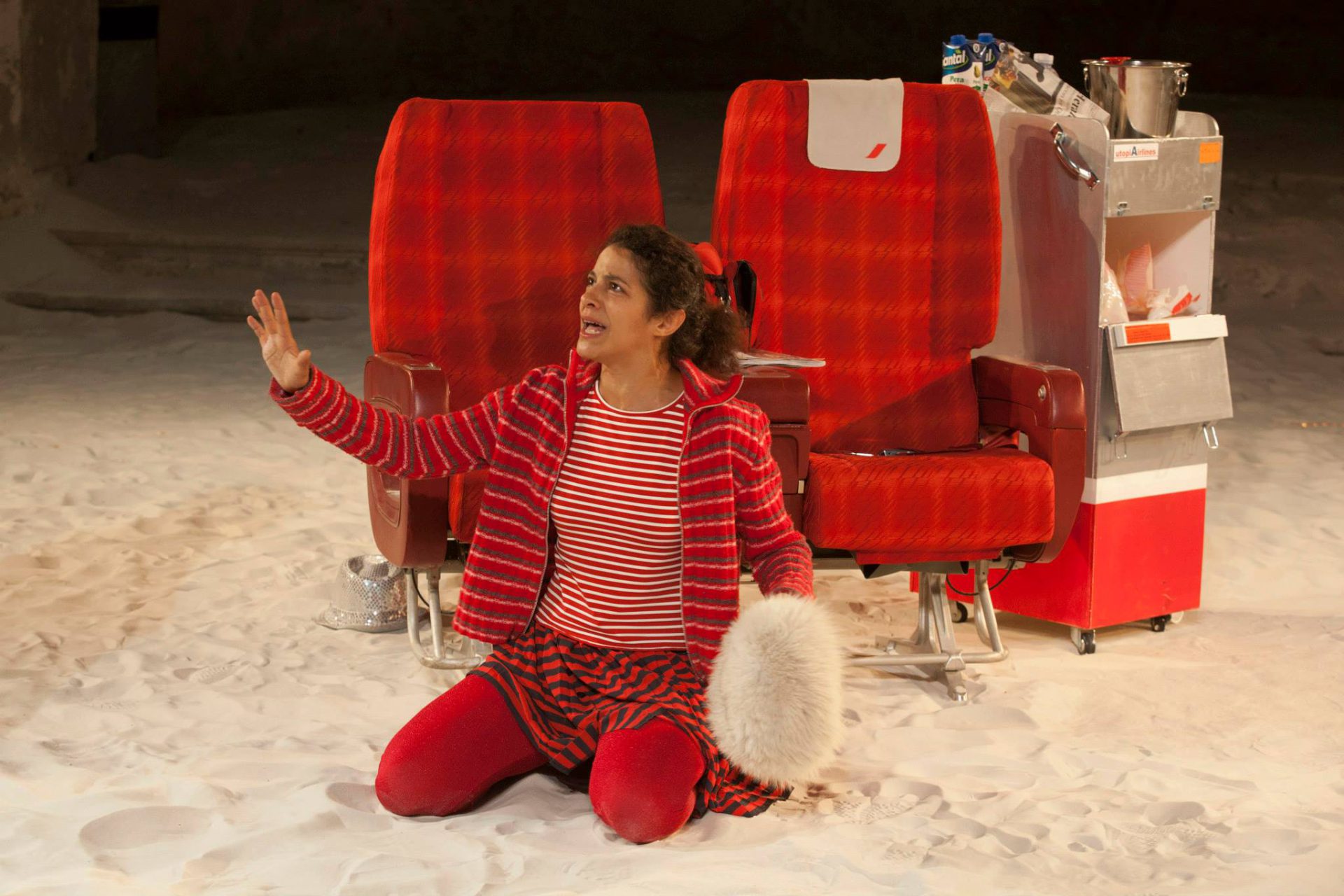
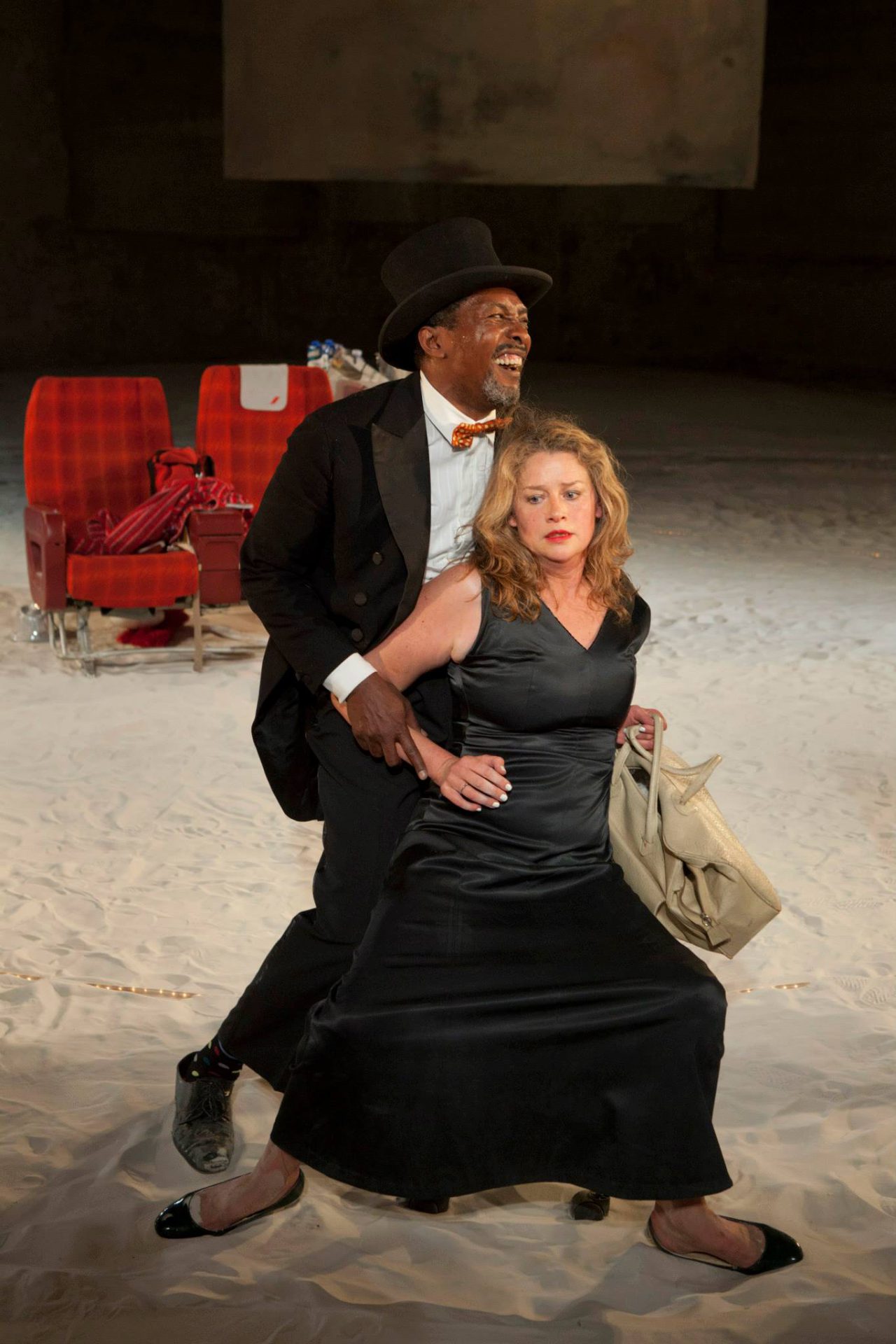
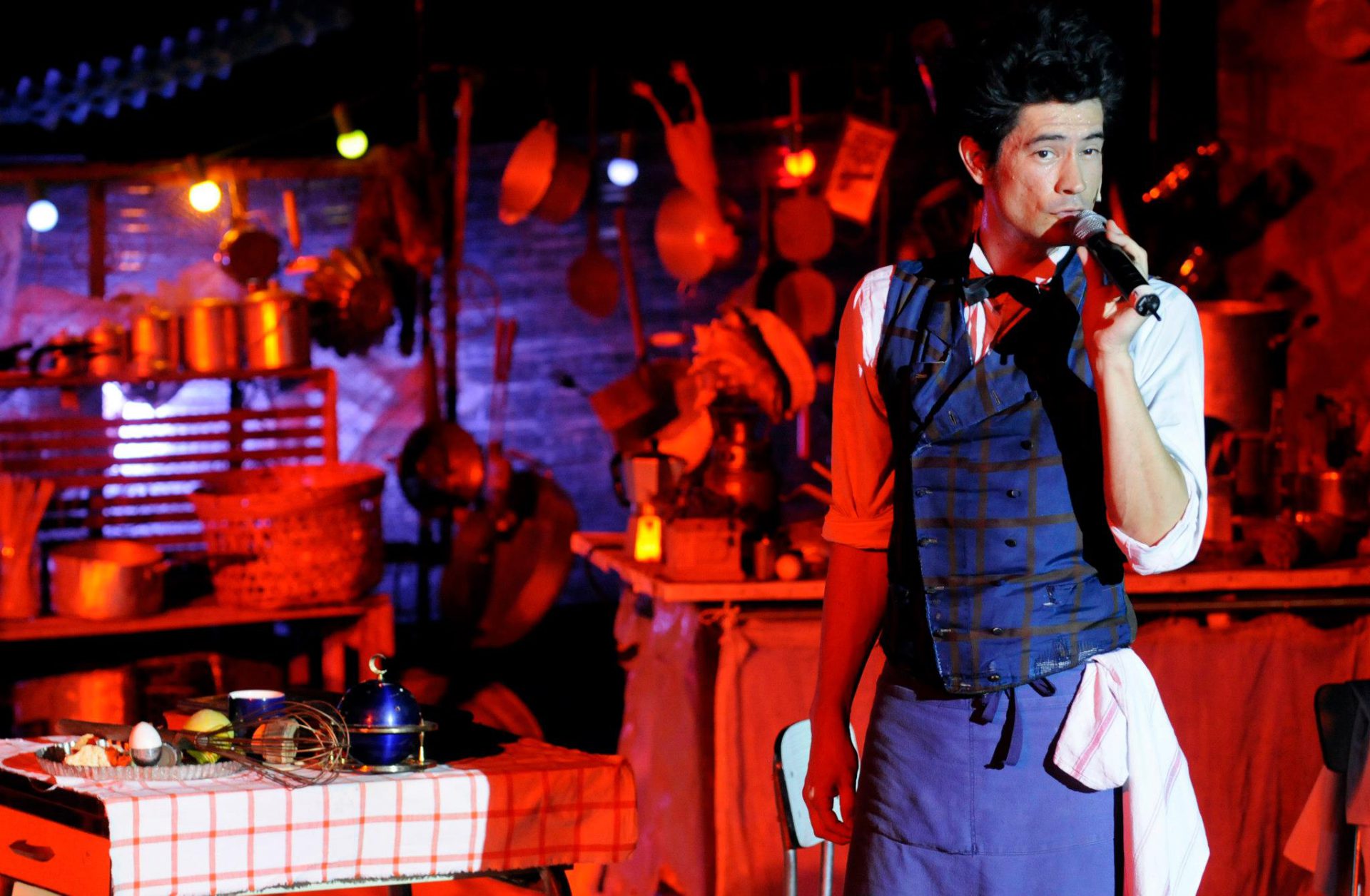
Finally, after a crash landing, audiences found themselves on the Island of Slaves—a clearly utopian island where the principles of ideal justice and equality reigned, inspired by Renaissance and Enlightenment thought. Here a new model of society based on the common good was experimented with, under the watchful eye of the mysterious “governor” Trivelin, a former slave. When masters and servants arrived on the island, he reversed their social roles and observed their behaviour, hoping they would learn compassion and heal from their selfishness. On this island, audiences could realise the dream of a world of kindness and generosity, where compassion and forgiveness mattered more than anything else.